
Last updated on August 25th, 2026 at 02:15 pm
The Engine Control Module (ECM) and Powertrain Control Module (PCM) in your 2009 Hummer H3 serve as the central computer that manages engine operation, transmission shifting, fuel delivery, and emissions systems. When this module fails, your vehicle may experience starting problems, stalling, or illumination of multiple warning lights.
If your 2009 Hummer H3 is exhibiting starting problems, intermittent stalling, or multiple diagnostic trouble codes that refuse to clear, the Engine Control Module or Powertrain Control Module may be the culprit. These vehicle-specific computer units manage critical engine and transmission functions, and when they develop internal faults, the results can range from inconvenient to strand-you-where-you-are serious. This guide walks you through understanding what these modules do, recognizing failure symptoms, and navigating replacement—whether you handle the job yourself or hand it off to a professional. You’ll learn the factory-recommended procedures, why certain precautions matter, and how modern VIN-programmed replacement units simplify what was once a complex multi-step process. The goal is to give you enough knowledge to make informed decisions about your vehicle’s repair.
Your 2009 Hummer H3 relies on a sophisticated on-board computer to coordinate engine performance, and that computer comes in two possible configurations depending on your exact powertrain setup. The Engine Control Module handles fuel injection, ignition timing, emissions controls, and various sensor inputs. The Powertrain Control Module performs those same functions while additionally managing transmission shifting, torque converter behavior, and driveline diagnostics. Either way, you are dealing with the vehicle’s central nervous system for propulsion. In the Hummer H3’s case, this module must process inputs from dozens of sensors—including mass airflow, coolant temperature, throttle position, and oxygen sensors—then make split-second adjustments to keep the 3.7L engine running smoothly across the vehicle’s considerable weight and capability envelope. The module contains a microprocessor, permanent memory storage for calibration data, and multiple circuit pathways all mounted to a circuit board inside a protective housing. What makes module failures particularly frustrating is that they often produce symptoms that mimic other problems: a bad fuel pump, faulty ignition components, or transmission issues. The distinguishing factor is typically the presence of module-internal trouble codes—specifically the P0600-series codes that indicate the computer has detected its own internal malfunction.
Flagship One keeps Hummer H3 replacement engine computers in stock for exactly this failure pattern.
2009 Hummer H3
OEM programmed ECM for your 2009 Hummer H3 — plug & play, no dealer visit.
Free shipping · Lifetime warranty
The ECM or PCM on your 2009 Hummer H3 is located behind the passenger-side kick panel, beneath the instrument panel. Access requires removing the kick panel trim and potentially the passenger-side floor carpet to reveal the mounting bracket. The factory manual specifies approximately 0.8 hours for the removal and replacement procedure for either the ECM or PCM, though this does not include any additional diagnostic time or subsequent relearn procedures. When replacing the module, you must disengage the ECM bracket mounting tabs carefully to release the unit without damaging the connector harness. The connector itself uses a multi-pin design that plugs directly into the vehicle wiring harness. After securing the new module in place, the mounting tabs must be re-engaged firmly to prevent vibration-related failures. Torque specifications for mounting hardware, if applicable to your specific configuration, should be followed to factory standards. Given the location behind interior trim, complete access and reinstallation typically represents the majority of the labor time. If you are paying for professional installation, expect the combined R&R time to reflect the access complexity of this location.
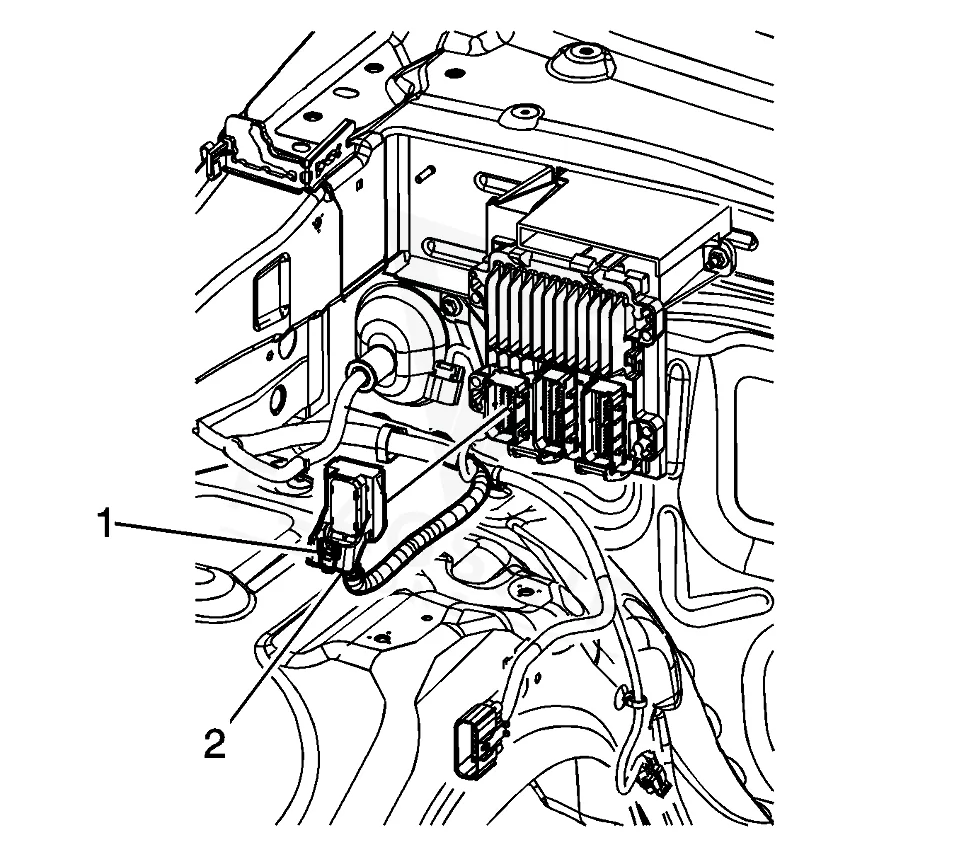
Work with the ignition off, and treat the module as static-sensitive: avoid touching the connector pins at any point.
| Operation | Configuration | Book Time |
|---|---|---|
| Engine Control Module R&R | H3 | 0.8 hr |
| Engine Control Module R&R | H3T | 0.8 hr |
| Engine Control Module Relearn | H3 | 0.5 hr |
| Engine Control Module Relearn | H3T | 0.5 hr |
| Powertrain Control Module Relearn | H3 | 0.5 hr |
| Powertrain Control Module Relearn | H3T | 0.5 hr |
| Powertrain Control Module R&R | H3 | 0.8 hr |
| Powertrain Control Module R&R | H3T | 0.8 hr |
After installing a replacement ECM or PCM in your 2009 Hummer H3, the factory service procedure requires performing a relearn procedure to allow the new module to adapt to your vehicle’s specific sensors and calibration. This relearn process takes approximately 0.5 hours according to factory labor guides and involves using a scan tool to establish communication between the new module and the vehicle’s various subsystems. Critically, the factory procedure also specifies capturing the existing ECM data with a scan tool before removal—this ensures that the replacement unit can be programmed with your vehicle’s specific VIN, configuration, and calibration information. However, when you purchase a replacement unit from Flagship One, that programming work is completed before the part ships. You receive a VIN-programmed replacement unit ready for installation, meaning the relearn procedure is simplified since the module already contains your vehicle’s correct data. This eliminates a significant portion of the post-installation workflow that would otherwise require specialized equipment and technical knowledge.
When the ECM or PCM in your 2009 Hummer H3 begins to fail, the symptoms often appear suddenly and progress rapidly. The most common presentation is a no-start condition—the engine cranks normally but will not fire, or it starts and then immediately stalls. You may also experience intermittent stalling, particularly at idle or during low-speed maneuvers, where the engine dies without warning and then restarts after a cooling period. Misfire codes are frequently associated with module failures, as the computer cannot properly coordinate fuel delivery and ignition timing. In some cases, the scan tool may not communicate with the vehicle at all, or communication may be sporadic—the tool connects and disconnects repeatedly. Transmission shifting may become erratic, harsh, or stuck in a single gear as the PCM loses the ability to manage shift firmness and timing. Multiple warning lights appearing simultaneously—especially the check engine light combined with transmission or stability system warnings—strongly suggest a central computing failure rather than individual sensor issues. The presence of any P0600-series trouble codes (P0601 through P1621) almost certainly indicates an internal module fault that sensor replacement will not resolve.
The 2009 Hummer H3 is documented to set specific module-internal trouble codes when the ECM or PCM detects internal failures. These codes, ranging from P0601 to P1621, indicate various internal processor, memory, or calibration problems that the module has identified within its own circuitry. Unlike sensor codes that might respond to component replacement, these codes signal that the computer itself has detected a fault in its internal operations.
A used or salvage yard ECM may work, but it will likely require programming to your vehicle’s VIN and configuration. This typically requires dealer-level scan tools and software access. Additionally, used units carry unknown remaining service life and may have the same internal failure mode that caused the original to fail. Purchasing a refurbished unit from a reputable supplier like Flagship One typically provides better reliability and includes the VIN programming.
P0600-series codes (P0601, P0602, P0603, P0604, P0606, P060A, P062F, P1621) are module-internal codes that indicate the computer has detected a fault within its own circuitry. These are not sensor codes that can be cleared by replacing an external component. Clearing these codes provides temporary relief at best, because the internal fault remains. The only permanent solution is replacement of the ECM or PCM itself.
After replacement, the new ECM or PCM must perform a relearn procedure to adapt to your vehicle’s specific sensors and calibration. This is a standard step that takes about 0.5 hours. When you install a VIN-programmed replacement unit from Flagship One, much of this adaptation is simplified because the module arrives pre-configured for your specific vehicle, reducing drivability issues that sometimes occur with non-programmed units.
Not exactly. The ECM (Engine Control Module) manages engine functions including fuel delivery and emissions, while the PCM (Powertrain Control Module) adds transmission control to those responsibilities. Your specific vehicle may use either configuration depending on the powertrain package. Both serve as the central computer and both can produce similar failure symptoms.
ECM failures in the 2009 Hummer H3 are often due to internal component degradation rather than driver error. Common causes include voltage spikes from charging system problems, moisture intrusion through connector seals, heat cycling stress over time, or simple component aging. While jump-starting mishaps and electrical work can contribute, many module failures occur without any obvious precipitating event.
When your 2009 Hummer H3’s ECM or PCM fails, you have two primary repair paths. You can attempt to repair the existing module if the damage is limited to replaceable components—this requires specialized electronics knowledge and equipment. Alternatively, you can install a replacement unit. For most owners, a replacement is the more practical solution. Flagship One offers remanufactured units specifically programmed for your vehicle’s VIN, meaning you skip the dealer programming step entirely. The key is ensuring you get a unit configured for the 3.7L engine and your specific transmission application. Whether you install it yourself or have a professional handle it, understanding the procedure helps you verify the work is done correctly.
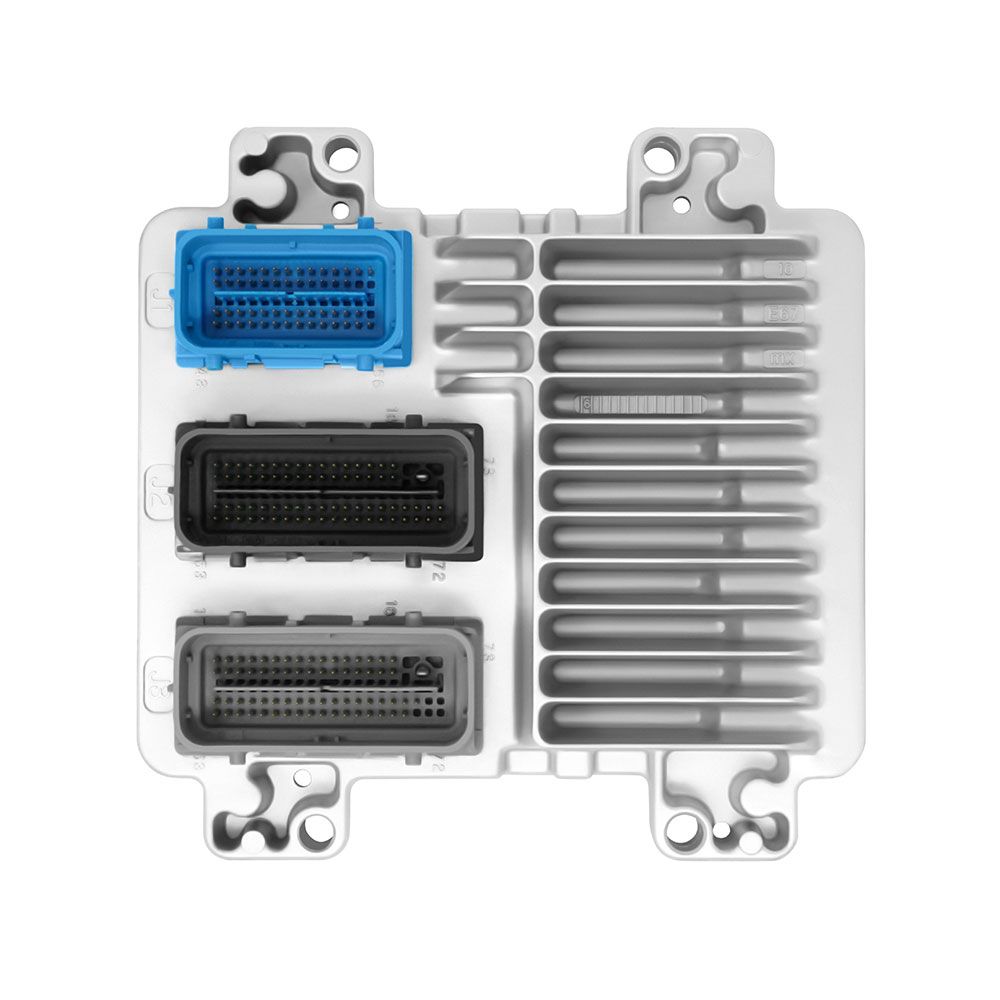
Flagship One stocks a refurbished, VIN-programmed PCM for the 2009 Hummer H3 with a lifetime warranty, free shipping and no core charge. The full Hummer H3 module lineup covers other engine configurations as well.
Your 2009 Hummer H3 depends on a properly functioning ECM or PCM to run reliably, and when internal faults occur, replacement is the definitive solution. The factory procedures exist to protect both your vehicle and the sensitive electronics involved. By understanding what these modules do, recognizing failure symptoms, and knowing what replacement entails, you can approach the repair with confidence. Whether you handle the installation yourself or rely on professional help, ensuring you receive a VIN-programmed unit matched to your specific vehicle eliminates the most common source of post-repair headaches. The investment in a quality replacement engine computer restores your Hummer H3’s reliability and gets you back on the road.