
Last updated on August 25th, 2026 at 02:17 pm
In the 2017 Chevrolet Cruze, the Powertrain Control Module (PCM) and Engine Control Module (ECM) manage engine timing, fuel delivery, and emissions. A failure in either unit can interrupt sensor communication, trigger multiple diagnostic codes and prevent the engine from running correctly.
When a 2017 Chevrolet Cruze begins to exhibit stalling, no‑start conditions, or a cascade of diagnostic trouble codes, the vehicle’s electronic brain may be compromised. Understanding the role of the Powertrain Control Module and Engine Control Module helps you decide whether a repair or a replacement is warranted. This guide explains what each module does, where it lives, the labor involved in swapping them, and the programming steps required to get your Cruze back to reliable operation. By the end, you’ll know the typical time commitment, the importance of factory‑programmed units, and practical steps to protect these components in the future.
The Powertrain Control Module in the 2017 Chevrolet Cruze coordinates fuel injection, ignition timing, and transmission shift strategy, while the Engine Control Module focuses on engine‑specific parameters such as idle speed and emissions control. Both modules process sensor inputs and issue commands that keep the powertrain running smoothly. A malfunction can cause loss of power, erratic shifting, or complete shutdown, making these computers critical to vehicle performance. Proper operation ensures emissions compliance and optimal fuel economy. For owners seeking a direct swap, replacement engine control modules for the 2017 Chevrolet Cruze provide a drop‑in solution that matches the original specifications.
The PCM resides behind the passenger side kick panel and connects to the engine harness, while the ECM is mounted near the firewall with a dedicated connector. Removing either unit typically follows the factory labor times: 2.7 hours for a full removal and replacement. After the module is taken out, the vehicle’s electrical system must be disconnected, connectors unplugged, and mounting bolts removed. Installation reverses those steps, securing the new unit in place and re‑engaging all connectors. Once the hardware is installed, the relearn procedures—0.5 hours each for PCM and ECM—ensure the vehicle’s control strategies are calibrated to the new computer.
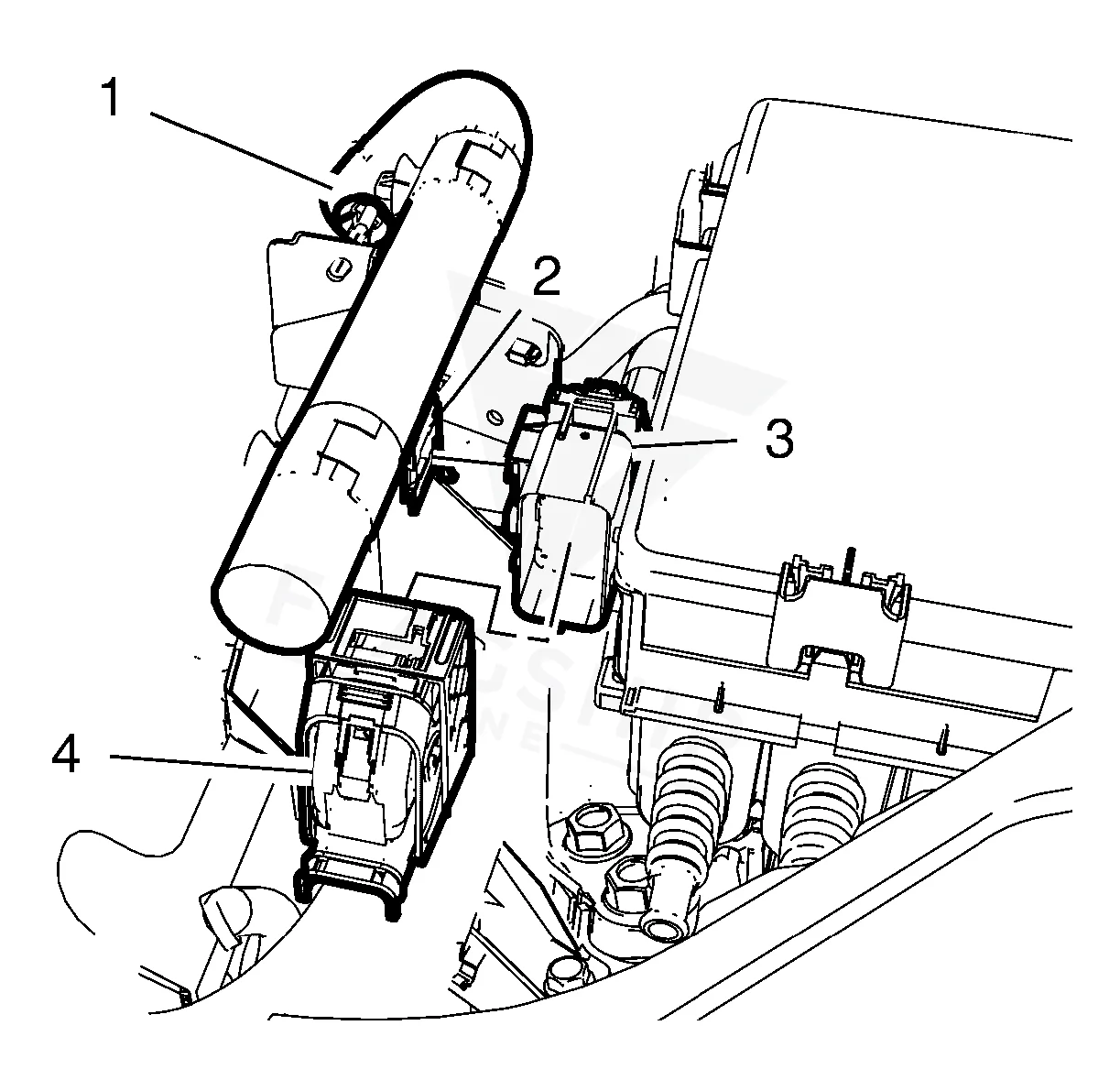
Work with the ignition off, and treat the module as static-sensitive: avoid touching the connector pins at any point.
| Operation | Configuration | Book Time |
|---|---|---|
| Powertrain Control Module R&R | All configurations | 2.7 hr |
| Powertrain Control Module Relearn | All configurations | 0.5 hr |
| Engine Control Module R&R | All configurations | 2.7 hr |
| Engine Control Module Relearn | All configurations | 0.5 hr |
| Engine Control Module Reset | All configurations | 0.3 hr |
2017 Chevrolet Cruze
OEM programmed ECM for your 2017 Chevrolet Cruze — plug & play, no dealer visit.
Free shipping · Lifetime warranty
After installing a new PCM or ECM in a 2017 Chevrolet Cruze, the factory service procedure requires a specific relearn sequence: 0.5 hours for PCM relearn, 0.5 hours for ECM relearn, and an additional 0.3‑hour ECM reset to complete the calibration. Flagship One units arrive pre‑programmed to the vehicle’s VIN, so a VIN-programmed replacement unit eliminates the need for those post‑install steps, allowing you to focus on mechanical installation rather than software configuration.
Owners of a 2017 Chevrolet Cruze may notice the engine refusing to start, intermittent stalling, or a sudden loss of power when the PCM or ECM fails. Diagnostic scans often reveal multiple internal codes such as processor communication error, indicating a breakdown in the module’s internal processor. Additional signs include erratic idle, poor acceleration, and loss of transmission shift control, all of which stem from the computer’s inability to process sensor data correctly.
The following internal diagnostic trouble codes are commonly logged by the PCM and ECM in the 2017 Chevrolet Cruze:
The physical removal can be done with standard hand tools, but the factory relearn process typically requires a scan tool. Without it, the new PCM may not communicate correctly with the vehicle.
The reset clears residual data and allows the engine control software to initialize with fresh sensor inputs, ensuring accurate idle and fuel control after a new ECM is installed.
Both modules share a book time of 2.7 hours for removal and installation, reflecting similar access and connector complexity.
Both codes relate to internal processor faults, but P0602 points to a processor speed error while P0603 indicates a processor internal error, requiring separate verification.
The VIN programming covers the software calibration, but the mechanical relearn procedures—such as the 0.5‑hour PCM and ECM relearn—still need to be performed to complete the installation.
When a PCM or ECM fails in a 2017 Chevrolet Cruze, you can choose between a factory‑refurbished unit or a new Flagship One replacement. Both options restore the vehicle’s electronic control, but the Flagship One part arrives pre‑programmed, potentially reducing the time you spend on post‑install calibration. Evaluate the condition of your current module and decide which path aligns best with your repair schedule and budget.
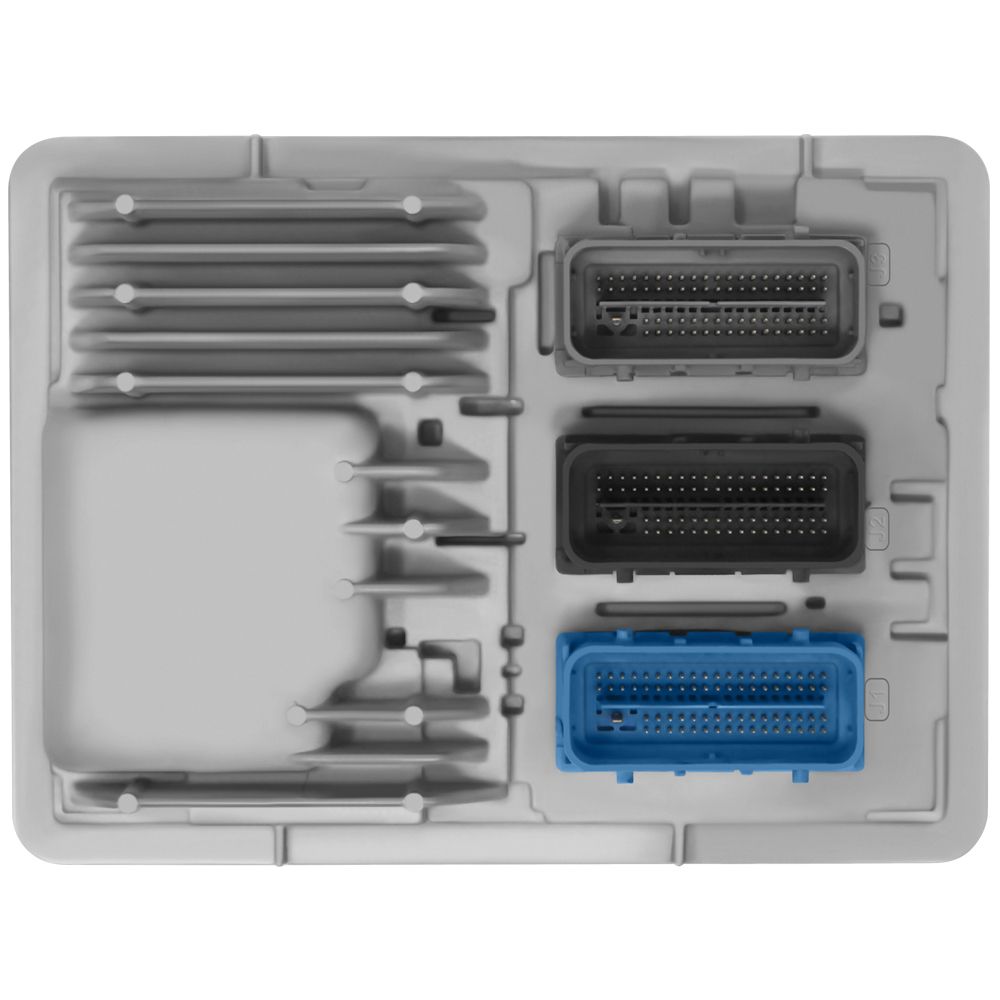
Flagship One stocks a refurbished, VIN-programmed PCM for the 2017 Chevrolet Cruze with a lifetime warranty, free shipping and no core charge. The full Chevrolet Cruze module lineup covers other engine configurations as well.
A faulty PCM or ECM can sideline a 2017 Chevrolet Cruze, but understanding the labor, programming requirements, and protective measures helps you return the car to reliable service. Consider a VIN‑programmed replacement to streamline the process and keep your Cruze performing as intended.