
Last updated on August 25th, 2026 at 02:17 pm
The Engine Control Module (ECM) in your 2017 Chevrolet Camaro manages fuel injection, ignition timing, and emissions systems. Failures may cause drivability issues, stored trouble codes, or complete engine shutdown. Proper handling during replacement is critical to avoid component damage.
If your 2017 Chevrolet Camaro is experiencing unexplained stalling, a no-start condition, or persistent check-engine lights, the Engine Control Module (ECM) may be the culprit. This critical component acts as the brain of your vehicle’s powertrain, regulating fuel delivery, ignition timing, and emissions controls. When it fails, symptoms can range from subtle drivability issues to complete engine shutdown. Understanding the ECM’s role, replacement process, and common failure signs can help you make informed decisions about repairs. This guide covers what the ECM does in your Camaro, where it’s located, labor times, programming requirements, and practical steps to prevent damage. Whether you’re diagnosing a current issue or planning ahead, you’ll gain clarity on how to address ECM-related problems efficiently.
The Engine Control Module in your 2017 Chevrolet Camaro is responsible for managing the engine’s most critical functions. It processes data from sensors throughout the vehicle to optimize fuel injection, ignition timing, and throttle response, ensuring smooth operation and compliance with emissions standards. Without a properly functioning ECM, your Camaro may struggle to start, run inefficiently, or even enter a protective limp mode to prevent further damage. The module also stores trouble codes when issues arise, which technicians use to diagnose problems. Because the ECM is so integral to performance, failures often manifest as noticeable drivability issues, such as rough idling, hesitation under acceleration, or unexpected stalling. If replacement becomes necessary, you’ll need replacement engine computers for the Camaro that are compatible with your vehicle’s specifications. These modules must be programmed to your Camaro’s VIN to ensure seamless integration with the existing systems, avoiding additional programming steps or compatibility errors.
In the 2017 Chevrolet Camaro, the Engine Control Module is mounted on the passenger side of the engine compartment, near the firewall. Accessing it requires removing the engine cover and possibly some adjacent components, depending on the specific configuration. The factory labor time for removing and replacing the ECM is 1.4 hours, which includes disconnecting the battery, unplugging the module’s electrical connectors, and reinstalling the new unit. It’s critical to turn the ignition off before installing or removing the ECM connectors to prevent damage to the module or related components. While the physical replacement is straightforward, the process doesn’t end there—your Camaro will require a relearn procedure to synchronize the new ECM with the vehicle’s systems. This additional step typically adds 0.5 hours of labor, ensuring the module communicates correctly with the engine and transmission.
Work with the ignition off, and treat the module as static-sensitive: avoid touching the connector pins at any point.
| Operation | Configuration | Book Time |
|---|---|---|
| Powertrain Control Module R&R | All configurations | 1.4 hr |
| Powertrain Control Module Relearn | All configurations | 0.5 hr |
| Engine Control Module R&R | All configurations | 1.4 hr |
| Engine Control Module Relearn | All configurations | 0.5 hr |
| Engine Control Module Reset | All configurations | 0.3 hr |
2017 Chevrolet Camaro
OEM programmed ECM for your 2017 Chevrolet Camaro — plug & play, no dealer visit.
Free shipping · Lifetime warranty
After replacing the Engine Control Module in your 2017 Chevrolet Camaro, the vehicle must undergo a programming and relearn procedure to ensure proper functionality. The factory specifies a 0.5-hour labor time for this process, which involves using a scan tool to program the new ECM with your vehicle’s VIN and calibrate it to the engine’s specifications. Without this step, the Camaro may experience drivability issues, such as rough idling, poor throttle response, or even a no-start condition. However, if you install a VIN-programmed replacement unit, these programming steps are already completed, saving you time and reducing the risk of errors during installation. This pre-programming ensures the module is ready to integrate seamlessly with your Camaro’s systems, allowing for a smoother and more efficient repair process. Always follow the manufacturer’s guidelines to avoid complications during the relearn phase.
When the Engine Control Module in your 2017 Chevrolet Camaro begins to fail, symptoms can vary widely but often include noticeable drivability issues. A common sign is a no-start condition, where the engine cranks but refuses to fire, often accompanied by a lack of communication with a scan tool. Stalling or rough idling may also occur, particularly when the vehicle is under load or coming to a stop. Misfire-related codes, such as internal control module memory checksum error, may appear, indicating the ECM is unable to maintain consistent engine operation. Other symptoms include poor throttle response, hesitation during acceleration, or the transmission failing to shift smoothly. In some cases, the Camaro may enter a protective limp mode, limiting engine power to prevent further damage. If you notice any of these issues, it’s important to address them promptly, as prolonged operation with a failing ECM can lead to additional complications or even damage to other components.
The 2017 Chevrolet Camaro’s Engine Control Module may store specific trouble codes when internal failures occur. These codes help technicians diagnose issues and determine whether the ECM requires replacement or reprogramming. Below are the documented module-internal trouble codes for this vehicle.
General Motors has issued service bulletins addressing specific programming issues related to the Engine Control Module in the 2017 Chevrolet Camaro. Bulletin #PIP5373B covers programming errors E4491 and E4423, which may occur during ECM updates. These errors can prevent the module from functioning correctly, leading to drivability issues or a no-start condition. Another bulletin, #PIP5597, notes that technicians may be prompted to input the engine identification number during ECM programming. This step is required for some modules to ensure proper calibration and compatibility with the vehicle’s systems. Following these bulletins’ guidelines can help avoid programming failures and ensure a successful repair.
| Bulletin | Subject | What It Addresses |
|---|---|---|
| — | Program ECM Error E4491/E4423 – (Jun 11, 2018) | — |
| — | Engine identification Number Requested When Programming ECM – (Oct 8, 2018) | During the programming of some ECM’s, the technician may be prompted to input the engine identification |
Stalling after an ECM replacement often occurs because the module hasn’t been properly programmed or relearned to your vehicle’s specifications. The Camaro requires a 0.5-hour relearn procedure to synchronize the new ECM with the engine and transmission. Without this step, the module may not communicate correctly with other systems, leading to drivability issues like stalling or rough idling.
While your Camaro may still run with a P0601 code, it’s not advisable to drive it for extended periods. This code indicates an internal control module memory checksum error, which can lead to unpredictable behavior, such as stalling or poor throttle response. Addressing the issue promptly can prevent further damage to the ECM or other components.
Common signs of ECM failure include a no-start condition, stalling, rough idling, or the vehicle entering limp mode. You may also notice poor throttle response, hesitation during acceleration, or stored trouble codes related to the ECM. If your Camaro exhibits these symptoms, a diagnostic scan can help determine whether the ECM is the root cause.
Failing to turn the ignition off before disconnecting the ECM connectors can damage the module or related components. The factory explicitly warns against this practice, as it may cause electrical surges that harm the ECM’s internal circuits. Always ensure the ignition is off before performing any work on the module.
Yes, reprogramming is typically required after an ECM replacement to ensure the module is calibrated to your Camaro’s VIN and engine specifications. This step, which takes about 0.5 hours of labor, is critical for proper communication between the ECM and other vehicle systems. However, using a pre-programmed replacement unit eliminates this step, saving time and reducing the risk of errors.
If your 2017 Chevrolet Camaro is experiencing ECM-related issues, you have options for repair or replacement. While some shops may attempt to reprogram or repair the existing module, this approach doesn’t always resolve underlying hardware failures. A replacement ECM, particularly one pre-programmed to your Camaro’s VIN, offers a reliable solution with minimal downtime. This ensures the new module integrates seamlessly with your vehicle’s systems, restoring performance and drivability without the need for additional programming steps.
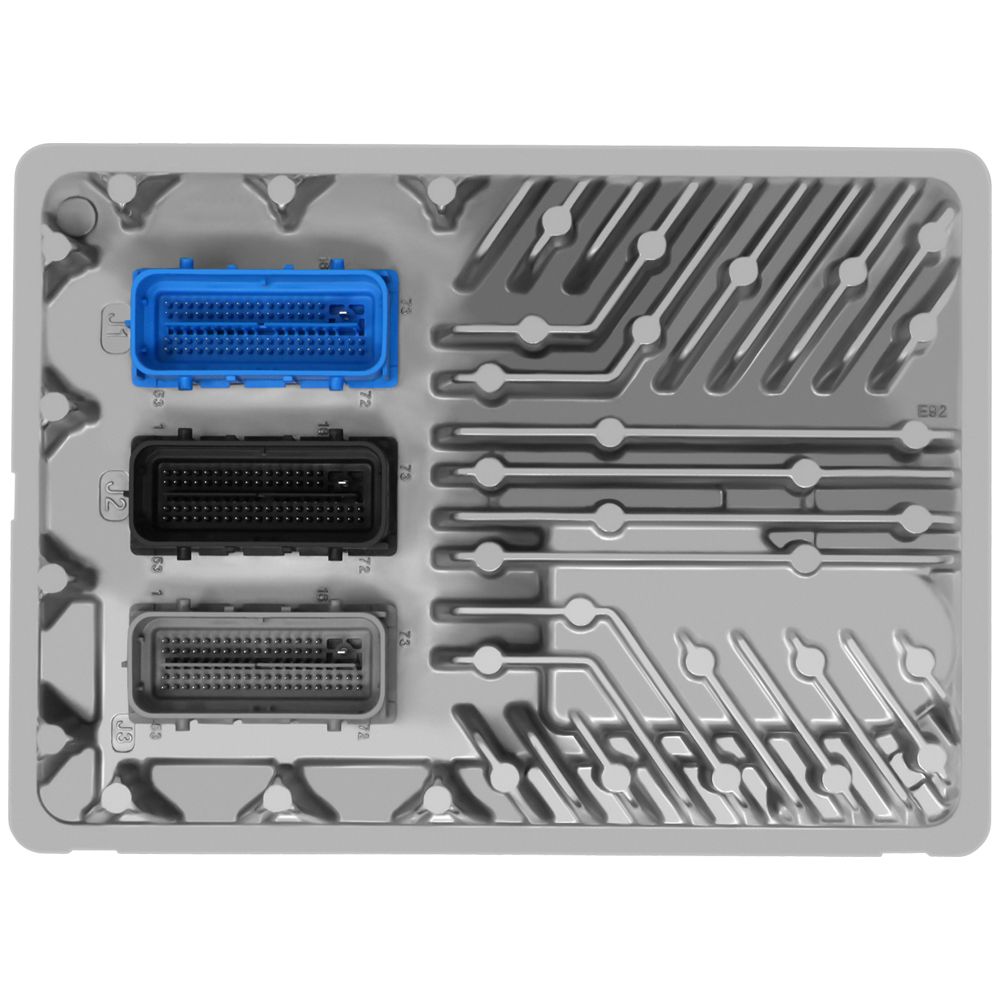
Flagship One stocks a refurbished, VIN-programmed PCM for the 2017 Chevrolet Camaro with a lifetime warranty, free shipping and no core charge. The full Chevrolet Camaro module lineup covers other engine configurations as well.
The Engine Control Module plays a vital role in your 2017 Chevrolet Camaro’s performance, and addressing issues promptly can prevent more serious complications. Whether you’re dealing with a no-start condition, stalling, or stored trouble codes, understanding the ECM’s function and replacement process can help you make informed decisions. By following proper installation procedures and using a pre-programmed replacement unit, you can restore your Camaro’s reliability and get back on the road with confidence.