
Last updated on August 25th, 2026 at 02:18 pm
The Powertrain Control Module (PCM) in your 2003 Chevrolet Cavalier serves as the central computer managing engine and transmission functions. When this module fails, your vehicle may experience drivability issues requiring module replacement or reprogramming.
The 2003 Chevrolet Cavalier with the 2.2L engine relies on a Powertrain Control Module to manage critical powertrain functions. When this module experiences internal failure or requires software updates, you may notice drivability symptoms ranging from subtle performance changes to complete no-start conditions. This guide explains what the PCM does in your specific vehicle, where its located, common failure indicators, and what the factory service procedure requires if replacement becomes necessary. Understanding these details helps you make informed decisions about repair options and recognize when professional service is warranted. Whether you are diagnosing a check engine light or planning a preventive replacement, the information here equips you with practical knowledge about this essential component.
The Powertrain Control Module in your 2003 Chevrolet Cavalier functions as the primary electronic brain for the entire powertrain. This integrated computer manages the fuel injection system, controlling fuel delivery based on inputs from numerous sensors throughout the engine bay. It also governs ignition timing, adjusting spark advance to optimize combustion efficiency under varying loads and temperatures. The PCM monitors oxygen sensors, coolant temperature, throttle position, and many other data points to make real-time adjustments that keep your 2.2L running smoothly. Beyond engine management, the module controls automatic transmission shift points and line pressure, making it essential for proper drivability. The module stores calibration information specific to your vehicle’s Vehicle Identification Number, meaning a replacement unit must be programmed to match your exact configuration. When this component experiences internal electrical failures, your Cavalier may set various diagnostic trouble codes and exhibit symptoms that affect drivability, fuel economy, and emissions compliance. Replacement engine computers for the Cavalier are available from specialty suppliers who program each unit with your specific VIN before shipping.
Flagship One keeps Chevrolet Cavalier replacement engine computers in stock for exactly this failure pattern.
The PCM on the 2003 Chevrolet Cavalier is typically located in the engine compartment, though exact positioning may vary slightly between model variations. Access generally requires working in the engine bay with appropriate clearance around the firewall area. The replacement procedure involves disconnecting the battery negative terminal first, then removing the module from its mounting location. Factory labor guides allocate 0.8 hours for the complete R&R procedure, which includes the time needed to disconnect electrical connectors, remove mounting hardware, and install the new unit. During reinstallation, technicians must ensure the ignition remains OFF when connecting or reconnecting the PCM connector to prevent internal module damage. Proper torque of mounting fasteners matters for maintaining a secure installation that resists vibration. The electrical connections should be inspected for corrosion or damaged pins before reconnection, as compromised connectors can cause intermittent faults even with a new module installed. After physical installation is complete, the module requires programming to complete the repair.
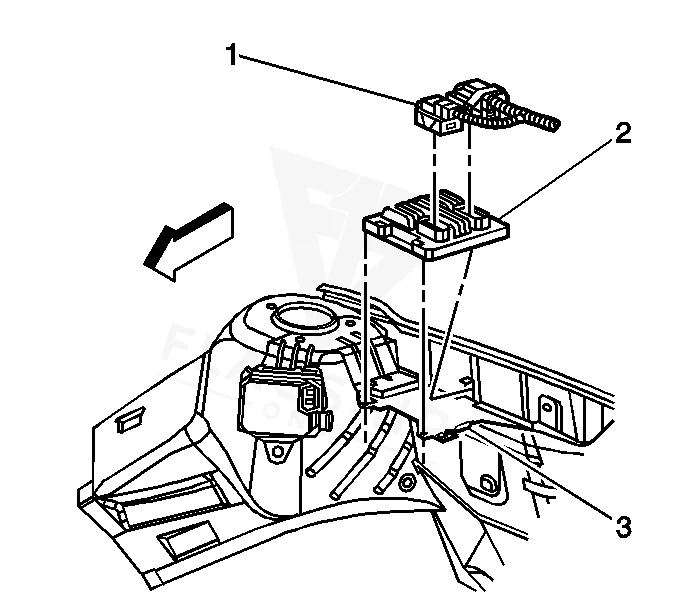
Work with the ignition off, and treat the module as static-sensitive: avoid touching the connector pins at any point.
| Operation | Configuration | Book Time |
|---|---|---|
| Engine Control Module R&R | All configurations | 0.8 hr |
| Powertrain Control Module R&R | All configurations | 0.8 hr |
2003 Chevrolet Cavalier
OEM programmed ECM for your 2003 Chevrolet Cavalier — plug & play, no dealer visit.
Free shipping · Lifetime warranty
Following module installation, the factory procedure requires reprogramming the PCM and performing the crankshaft position system variation learn procedure. This adaptation process calibrates the module to your specific engine’s characteristics, ensuring proper fuel delivery and ignition timing. The programming step uses dealer-level diagnostic equipment to upload the correct calibration file matched to your vehicle’s VIN and equipment options. Without this procedure, the module may not communicate properly with other vehicle systems, potentially causing drivability concerns. The crankshaft position variation learn procedure is particularly important for maintaining smooth idle and proper acceleration response. Flagship One units arrive VIN-programmed before shipment, meaning the programming steps are completed at the factory using your specific vehicle information. This approach reduces the post-install procedures your service facility needs to perform, though some shops may still want to verify proper module communication after installation.
Every VIN-programmed replacement unit from Flagship One arrives with these steps already completed.
When the PCM on this vehicle experiences problems, you may encounter several recognizable failure modes. A no-start condition can occur if the module fails to activate the fuel pump or provide spark timing to the cylinders. Intermittent stalling while driving often indicates module internal faults affecting fuel delivery or ignition output. Misfire codes such as P0300 through P0304 may appear when the module cannot properly control fuel delivery to individual cylinders. Some failures manifest as transmission concerns, including harsh shifting or failure to upshift properly. Dead communication with scan tools is another indicator — if your diagnostic scanner cannot establish a link with the PCM, internal module electronics may have failed. Specific module-internal codes like P0601 often point to internal memory checksum errors that can prevent the vehicle from running properly. The check engine light may illuminate with various codes, and in some cases the vehicle may run but exhibit poor idle quality or reduced power output. These symptoms often develop gradually as internal electronics degrade, though sudden failures can also occur.
The 2003 Chevrolet Cavalier PCM may store various module-internal diagnostic trouble codes when internal faults occur. These codes indicate problems within the module itself rather than faults in external sensors or wiring. Codes P0601 through P0607 cover different types of internal memory and processor failures. Additional codes including P1600, P1621, P1627, P1630, P1631, and P1680 series codes document various communication and calibration errors within the module. When these codes are present, replacement of the PCM is typically required rather than repair, as the internal components are not serviceable.
Factory service bulletins address specific PCM concerns for this vehicle. Bulletin #03-07-30-021 covers neutral flare and RPM flare conditions along with missing first-to-second upshift, where the PCM may set DTC P1815 on 2003 models. This bulletin calls for PCM reprogramming to correct the condition. Bulletin #03064 provides a system software upgrade for OBD system improvements, also requiring reprogramming. Bulletin #02-06-04-057 establishes labor operation assignments for control module reprogramming procedures. These bulletins indicate the PCM software can require updates to address drivability concerns, and reprogramming represents a valid repair option in addition to physical replacement.
| Bulletin | Subject | What It Addresses |
|---|---|---|
| 03-07-30-021 | Neutral Flare and/or RPM Flare While In Drive, No 1-2 Upshift, Service Engine Soon (SES) Light | Some customers may comment on a neutral flare and/or RPM increase while in drive or no 1–2 upshift and/or the Service Engine Soon (SES) telltale may be… |
| — | System Software Upgrade – OBD System Improvements (Reprogram PCM) – (Dec 17, 2003) | — |
| 02-06-04-057 | Warranty Admin. – Labor Operation Assignments for All Control Module Reprogramming – (Mar 2, 20 | — |
A used PCM may be installed, but it will require dealer programming to match your vehicle’s VIN and configuration. Without proper programming, the module will not communicate with your vehicle’s systems. Additionally, used units carry unknown remaining service life and may have the same failure symptoms that caused the original unit to be removed.
No communication with the PCM can indicate module failure, but it can also result from wiring issues, blown fuses, or connector problems. A qualified technician should verify power and ground supplies to the module before concluding the module itself is faulty. Internal module failure is only confirmed after other potential causes are ruled out.
The PCM may have stored fault codes from the period of inactivity or from the original cause of the parking period. Replacing the module clears those codes, but if an underlying problem exists — such as a weak battery that caused voltage depletion — the new module may set codes again. Proper diagnosis of the original concern is recommended before assuming module replacement alone resolves the issue.
Reprogramming updates the software calibration in the existing module without removing it, while replacement involves physically installing a new or refurbished unit. Your service facility determines which is appropriate based on diagnostic findings — certain trouble codes and symptoms indicate software issues correctable with reprogramming, while hardware failures require replacement.
The vehicle may run, but you will likely experience rough idle, poor throttle response, and reduced fuel efficiency. The variation learn procedure allows the module to compensate for small manufacturing variations in the crankshaft position sensor and reluctor ring. Skipping this step means the module operates with generic compensation values rather than values calibrated to your specific engine.
When your 2003 Chevrolet Cavalier requires PCM service, you have two primary paths forward. Physical replacement with a new module eliminates concerns about the remaining service life of the original unit and any internal degradation that may have occurred. Alternatively, your existing module may be eligible for EEPROM reprogramming to address software-related concerns. A new, VIN-programmed replacement unit arrives ready for installation, reducing the time your repair facility spends on post-install procedures. Your choice depends on diagnostic findings, your budget, and how long you plan to keep the vehicle.
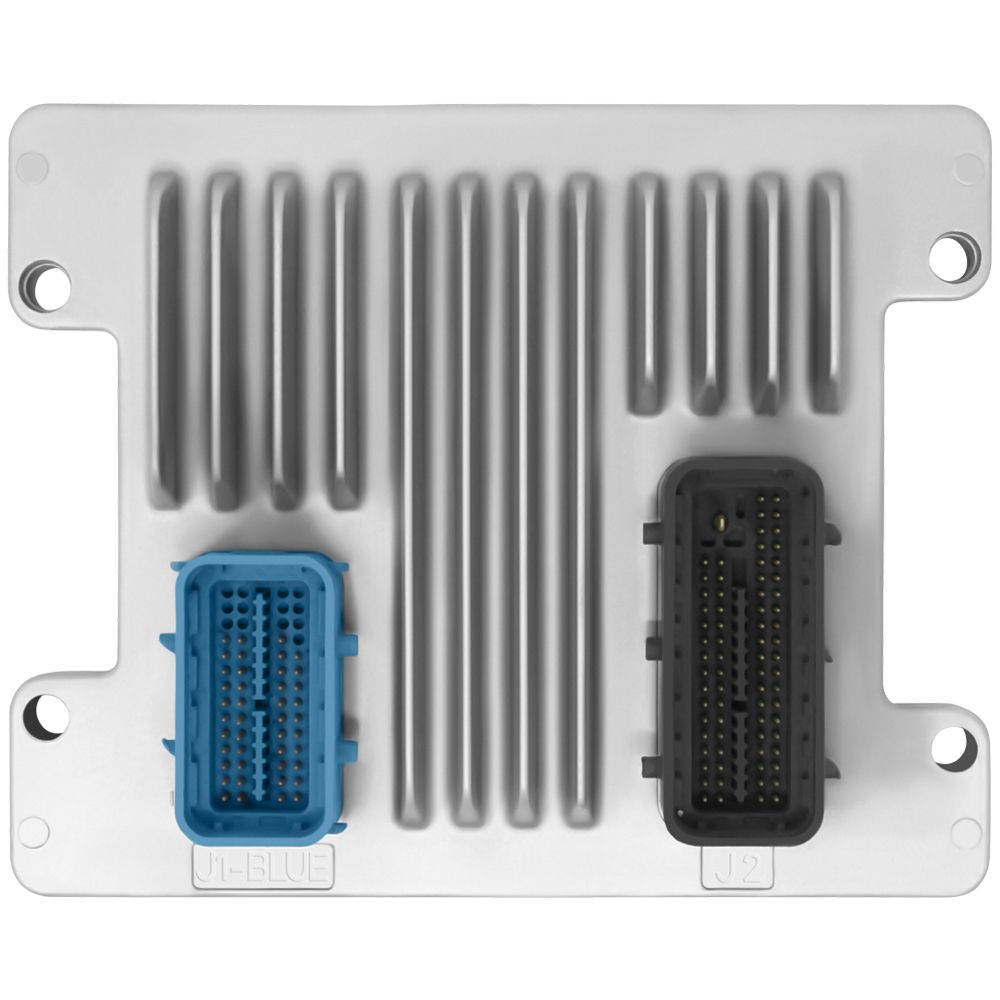
Flagship One stocks a refurbished, VIN-programmed PCM for the 2003 Chevrolet Cavalier with a lifetime warranty, free shipping and no core charge. The full Chevrolet Cavalier module lineup covers other engine configurations as well.
The Powertrain Control Module in your 2003 Chevrolet Cavalier performs essential functions that keep your 2.2L engine running properly. When symptoms of module failure appear, prompt diagnosis helps determine whether reprogramming or replacement is the appropriate repair. Understanding the factory procedure requirements — particularly the ignition-off precaution and post-install programming needs — prepares you for what service entails. Whether you pursue replacement or reprogramming, addressing PCM concerns restores your vehicle’s drivability and eliminates check engine light concerns.