
Last updated on August 25th, 2026 at 02:18 pm
The powertrain control module (PCM) in your 2000 Chevrolet Malibu manages fuel delivery, ignition timing, and emissions systems for the 3.1L V6 engine. Failures may cause erratic engine behavior, poor performance, or stored trouble codes related to internal memory or communication faults.
If your 2000 Chevrolet Malibu is experiencing unexplained stalling, rough idling, or a no-start condition, the powertrain control module (PCM) may be the culprit. This small but critical computer manages everything from fuel injection to transmission shifting, and when it fails, symptoms can range from subtle performance issues to complete engine shutdown. Unlike mechanical components, PCM problems often don’t announce themselves with obvious noises or leaks—instead, they may trigger warning lights or store cryptic trouble codes that leave you scratching your head. Understanding how this module functions, where it’s located, and what replacement involves can save you time and frustration. Whether you’re diagnosing a persistent check engine light or preparing for a repair, knowing the facts about your Malibu’s PCM helps you make informed decisions without unnecessary guesswork.
The powertrain control module in your 2000 Chevrolet Malibu serves as the brain of the engine and transmission, coordinating fuel delivery, ignition timing, and emissions controls to keep the 3.1L V6 running smoothly. It constantly adjusts these systems based on inputs from sensors like the oxygen sensor, throttle position sensor, and crankshaft position sensor, ensuring optimal performance and efficiency. Without a properly functioning PCM, your Malibu may struggle to start, idle erratically, or even fail to shift gears correctly. The module also monitors for faults, storing trouble codes when issues arise, which can help technicians pinpoint problems during diagnostics. If the PCM fails, you might notice symptoms like poor fuel economy, hesitation under acceleration, or even a complete loss of communication with a scan tool. Replacing it typically involves installing replacement engine computers for the Malibu, which must be programmed to match your vehicle’s specific configuration to avoid drivability issues.
In the 2000 Chevrolet Malibu, the powertrain control module is located near the engine bay, typically mounted on the passenger side of the firewall or inside the cabin under the dashboard. Replacing it involves disconnecting the negative battery cable first to prevent electrical damage, as the factory cautions emphasize. Once the battery is disconnected, you’ll need to remove the module’s electrical connector and mounting bolts to free the unit. The labor guide estimates 0.9 hours for removal and reinstallation, though this may vary slightly depending on accessibility. After installation, the vehicle requires a relearn procedure, which adds another 0.5 hours to the process. It’s important to handle the module carefully, avoiding contact with the connector pins or circuit board to prevent static discharge damage.
Work with the ignition off, and treat the module as static-sensitive: avoid touching the connector pins at any point.
| Operation | Configuration | Book Time |
|---|---|---|
| Engine Control Module R&R | All configurations | 0.9 hr |
| Engine Control Module Relearn | All configurations | 0.5 hr |
| Powertrain Control Module R&R | All configurations | 0.9 hr |
| Powertrain Control Module Relearn | All configurations | 0.5 hr |
2000 Chevrolet Malibu
OEM programmed ECM for your 2000 Chevrolet Malibu — plug & play, no dealer visit.
Free shipping · Lifetime warranty
After replacing the powertrain control module in your 2000 Chevrolet Malibu, the factory procedure requires a relearn process to synchronize the new unit with the vehicle’s systems. This step, which typically takes 0.5 hours, ensures the PCM recognizes the engine’s sensors and operates correctly. However, if you install a VIN-programmed replacement unit, this relearn step is already completed, saving you time and potential headaches. The factory also warns against powering the module while the connector is disconnected, as this may cause internal damage. Always follow the battery disconnect caution to avoid electrical issues during the swap. While the process is straightforward, proper handling and programming are critical to avoid drivability problems after installation.
When the powertrain control module in your 2000 Chevrolet Malibu begins to fail, you may notice a range of symptoms that can mimic other issues. Common signs include intermittent stalling, especially at idle or during deceleration, as the PCM struggles to maintain proper fuel and ignition timing. The engine might also hesitate or jerk under acceleration, or fail to start altogether, leaving you stranded. Another telltale sign is a check engine light accompanied by trouble codes like internal control module memory checksum error, which indicates a fault within the module itself. You might also experience shifting problems, such as delayed or harsh gear changes, if the PCM isn’t communicating properly with the transmission. In some cases, the vehicle may enter a “limp mode,” limiting engine power to prevent further damage. If your scan tool fails to communicate with the PCM, that’s another strong indicator of a module failure. These symptoms can be frustrating, but they often point directly to the PCM as the root cause, especially when accompanied by the specific trouble codes documented for this vehicle.
The 2000 Chevrolet Malibu’s powertrain control module can store several internal trouble codes when it malfunctions. These codes typically indicate faults within the module’s memory, communication circuits, or processing functions, and they often appear alongside symptoms like stalling or poor performance.
| Code | Meaning | Full Guide |
|---|---|---|
| P0601 | Internal memory checksum error | Full P0601 guide → |
| P0602 | Control module programming error | Full P0602 guide → |
| P0603 | Keep-alive memory (KAM) error | Full P0603 guide → |
| P0604 | Internal RAM error | Full P0604 guide → |
| P0606 | Module processor failure | Full P0606 guide → |
| P0620 | Module-internal fault | Full P0620 guide → |
| P062F | Internal EEPROM error | Full P062F guide → |
| P0650 | Module-internal fault | Full P0650 guide → |
| P1621 | Control module long-term memory performance | Full P1621 guide → |
| P1626 | Module-internal fault | — |
| P1630 | Module-internal fault | — |
| P1631 | Module-internal fault | — |
General Motors issued a service bulletin (#99-06-04-053) in October 1999 regarding PCM reprogramming for various vehicles, including the 2000 Chevrolet Malibu. The bulletin provides guidance on updating the module’s software to address potential drivability issues or compliance with emissions standards. While the bulletin doesn’t specify exact symptoms, it underscores the importance of keeping the PCM’s programming up to date to avoid performance-related problems. If you’re experiencing issues that align with the module’s documented trouble codes, checking for applicable updates may be worthwhile.
| Bulletin | Subject | What It Addresses |
|---|---|---|
| 99-06-04-053 | Info – PCM Reprogramming – (Oct 26, 1999) | — |
Common signs include stalling, hesitation, or a no-start condition, often accompanied by a check engine light. If your scan tool retrieves codes like P0601 or P0603, the PCM may be the issue. These codes typically indicate internal faults within the module’s memory or processing circuits.
Replacing the PCM is straightforward if you’re comfortable with basic automotive electrical work. The module is typically located near the firewall or under the dashboard, and the labor guide estimates 0.9 hours for removal and reinstallation. However, the vehicle will require a relearn procedure afterward, which adds complexity.
Skipping the relearn procedure may result in poor engine performance, such as rough idling, hesitation, or even a no-start condition. The PCM needs to synchronize with the engine’s sensors and transmission to operate correctly, and the relearn process ensures this happens.
The PCM’s connector pins and circuit board are sensitive to static electricity, which can cause permanent damage. Even a small electrostatic discharge may corrupt the module’s memory or disrupt its functionality, leading to drivability issues or failure.
Yes, the factory cautions emphasize disconnecting the negative battery cable before working on the PCM. This prevents electrical surges or short circuits that could damage the module or other vehicle systems during the replacement process.
If your 2000 Chevrolet Malibu is showing signs of PCM failure, you have options for repair or replacement. While a refurbished or aftermarket module can be cost-effective, ensure it’s programmed to your vehicle’s VIN to avoid relearn complications. For those who prefer a hassle-free solution, a pre-programmed replacement unit eliminates the need for post-install procedures, allowing you to get back on the road quickly. Consider your budget and technical comfort level when deciding between a DIY approach or professional installation.
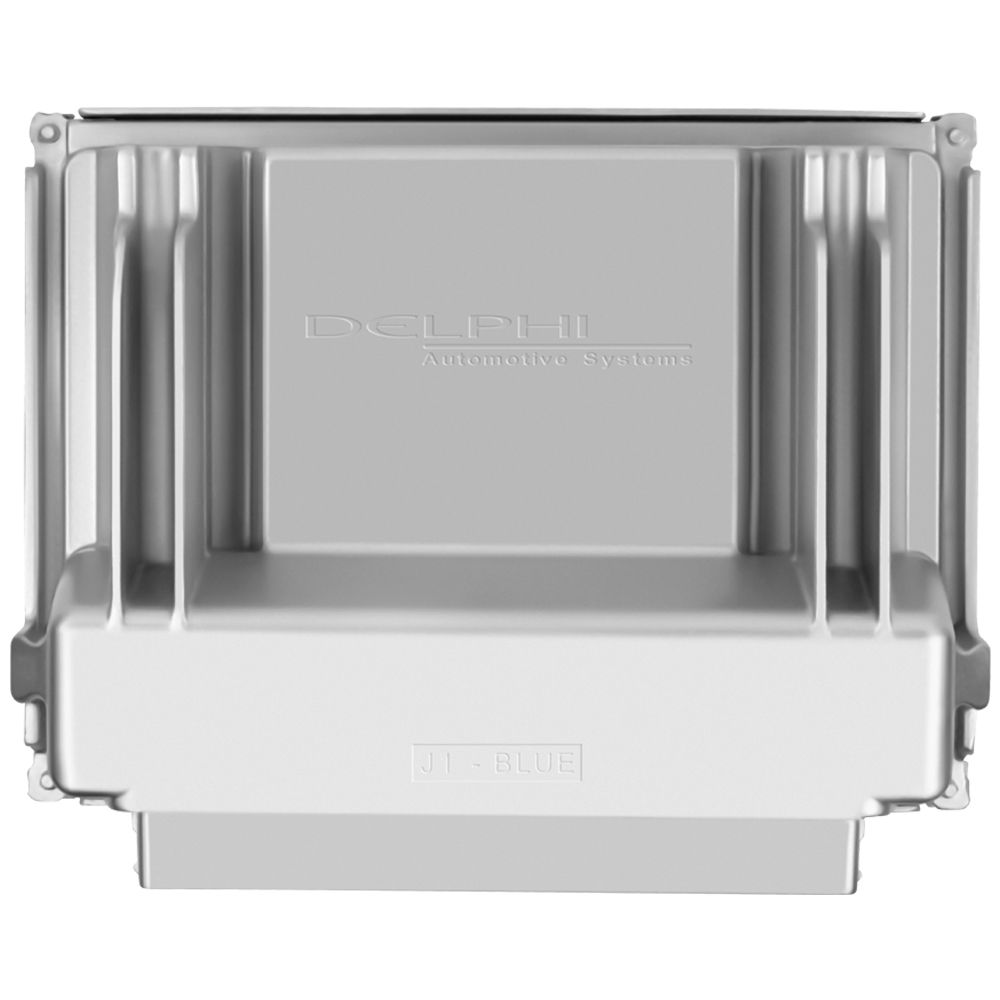
Flagship One stocks a refurbished, VIN-programmed PCM for the 2000 Chevrolet Malibu with a lifetime warranty, free shipping and no core charge. The full Chevrolet Malibu module lineup covers other engine configurations as well.
The powertrain control module in your 2000 Chevrolet Malibu plays a critical role in keeping your engine running smoothly. If you’re experiencing symptoms like stalling, hesitation, or trouble codes, addressing the PCM promptly can restore performance and prevent further issues. Whether you opt for a DIY replacement or professional service, understanding the process and precautions ensures a successful repair. With the right approach, your Malibu can continue to deliver reliable service for miles to come.