
Last updated on August 25th, 2026 at 02:29 pm
In the 2000 Chevrolet Cavalier the Powertrain Control Module (PCM) and Engine Control Module (ECM) act as the brain for fuel injection and ignition timing. Failure of these units may interrupt engine start, cause stalling, or generate diagnostic codes such as P0601.
When a 2000 Chevrolet Cavalier experiences start‑up problems, rough idle, or loss of power, the PCM or ECM may be at fault. This guide explains where the module lives, how long a shop typically spends on the job, and what post‑install steps are needed. By the end, you’ll understand the risks, the labor involved, and how a properly programmed replacement can get your vehicle back on the road.
The Powertrain Control Module in the 2000 Chevrolet Cavalier manages fuel injection, ignition timing, and emission controls, while the Engine Control Module for the 2.2 L engine performs similar duties focused on engine speed and load. Together they ensure the engine runs smoothly and meets emissions standards. Proper operation is essential for reliable performance, and any malfunction can trigger multiple fault codes. The module is a critical electronic controller, and replacement engine computer for the Cavalier often requires careful handling to avoid damage.
The PCM is positioned under the instrument panel, acting as the central hub for the fuel injection system. Access typically involves removing the dashboard trim to reach the unit. Labor time listed in the service guide is 1.3 hours for removal and reinstallation of the PCM, and the same 1.3 hours applies to the 2.2 L Engine Control Module. No additional torque specifications are provided in the available facts.
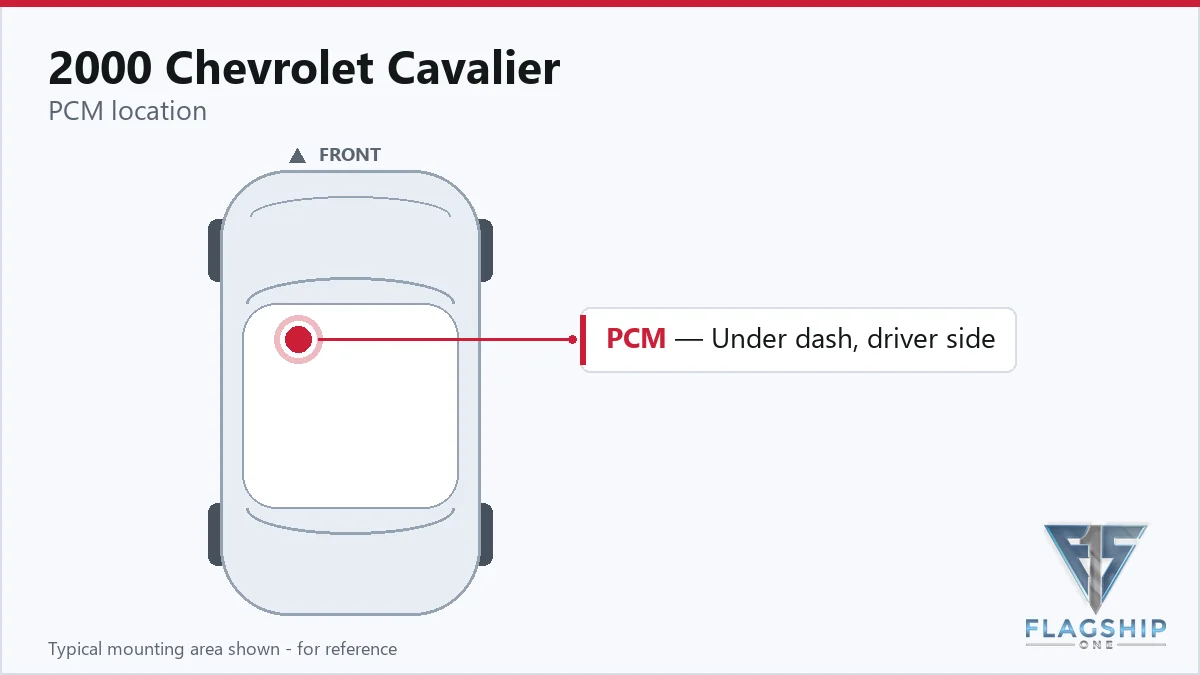
Work with the ignition off, and treat the module as static-sensitive: avoid touching the connector pins at any point.
| Operation | Configuration | Book Time |
|---|---|---|
| Powertrain Control Module R&R | All configurations | 1.3 hr |
| Engine Control Module R&R | 2.2L | 1.3 hr |
| Engine Control Module R&R | 2.4L | 1.3 hr |
2000 Chevrolet Cavalier
OEM programmed ECM for your 2000 Chevrolet Cavalier — plug & play, no dealer visit.
Free shipping · Lifetime warranty
After installing a new module, the factory procedure calls for reprogramming the PCM and completing the Crankshaft Position System Variation Learning Procedure. Flagship One units arrive as a VIN-programmed replacement unit, so those steps are already completed before the part reaches your shop.
Common signs of a failing PCM or ECM in a 2000 Chevrolet Cavalier include no‑start conditions, intermittent stalling, rough idle, and loss of communication with a scan tool. Diagnostic trouble codes often appear, such as processor clock failure, indicating internal processor issues. These symptoms typically point to electrical or software problems within the control module.
The following diagnostic trouble codes are documented for the 2000 Chevrolet Cavalier’s control modules:
Service Bulletin #99-06-04-053, dated Oct 26 1999, provides information on PCM reprogramming for this vehicle.
| Bulletin | Subject | What It Addresses |
|---|---|---|
| 99-06-04-053 | Info – PCM Reprogramming – (Oct 26, 1999) | — |
The service guide lists about 1.3 hours for removal and installation of the PCM.
Yes, the factory requires reprogramming the PCM and a crankshaft position variation learning procedure after ECM replacement.
Touching the connector pins or soldered components can cause ESD damage, so it’s advisable to handle the module with proper grounding.
When the PCM or ECM fails in your 2000 Chevrolet Cavalier, you can choose a repair that restores the original unit or a refurbished replacement that meets factory specifications. Both options aim to return the vehicle to reliable operation, but a replacement may offer a quicker turnaround if the original is unavailable.
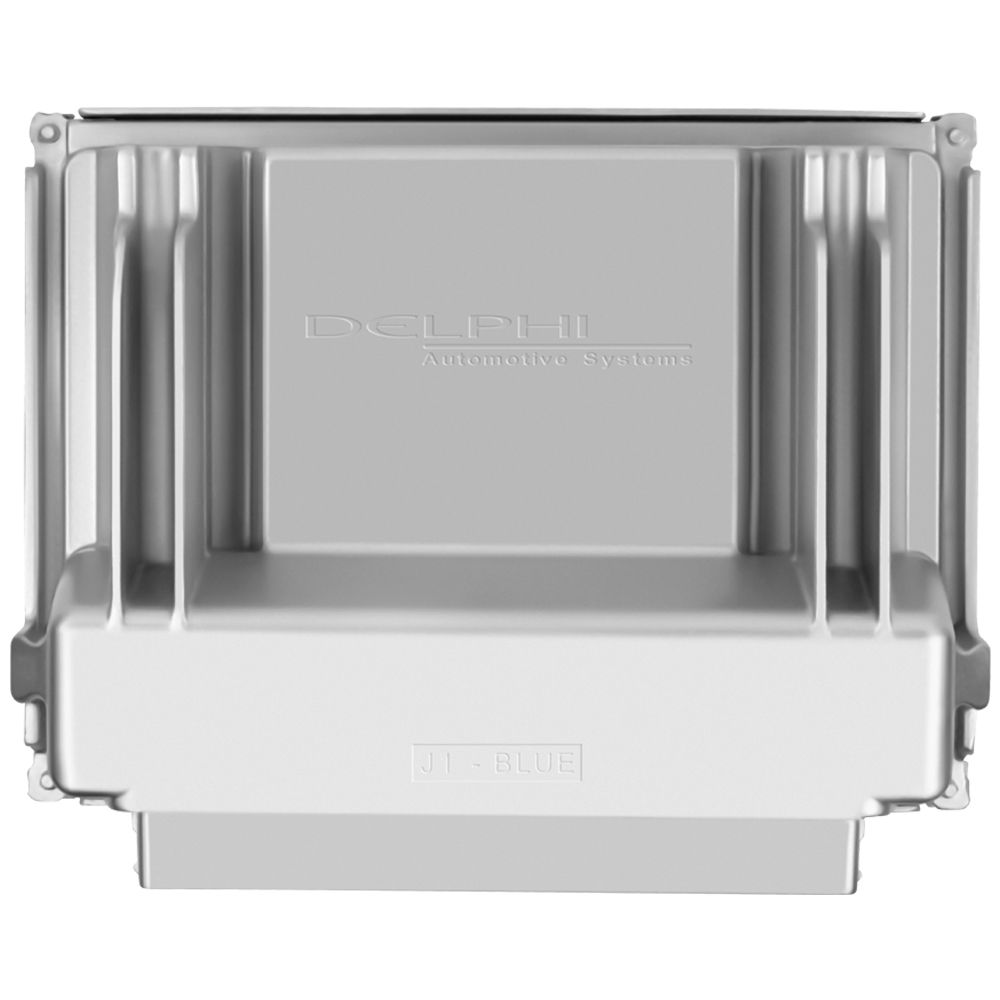
Flagship One stocks a refurbished, VIN-programmed PCM for the 2000 Chevrolet Cavalier with a lifetime warranty, free shipping and no core charge. The full Chevrolet Cavalier module lineup covers other engine configurations as well.
The 2000 Chevrolet Cavalier’s PCM and ECM are essential for engine control. Proper handling, programming, and timely replacement keep your vehicle running smoothly, and Flagship One’s VIN‑programmed units simplify the post‑install steps.