
Last updated on August 25th, 2026 at 02:31 pm
The Powertrain Control Module (PCM) in your 1993 Chevrolet Camaro manages engine performance and transmission behavior. A failing PCM may cause erratic idling, stalling, or a complete no-start condition.
If your 1993 Chevrolet Camaro is experiencing unexplained stalling, rough idling, or a no-start condition, the Powertrain Control Module (PCM) may be at fault. This critical component oversees engine performance and transmission operation. Replacing it involves more than just swapping parts—proper installation and programming are essential. Understanding the process helps you avoid unnecessary damage and ensures your Camaro runs smoothly after the repair. This guide covers what the PCM does, where it’s located, labor expectations, and key steps to follow during replacement.
The Powertrain Control Module (PCM) in your 1993 Chevrolet Camaro acts as the brain for both engine and transmission systems. It processes sensor data to optimize fuel delivery, ignition timing, and shift points. A malfunctioning PCM may lead to poor drivability, reduced fuel efficiency, or even prevent the engine from starting. Since this vehicle predates OBD-II, diagnosing issues relies on symptom observation rather than standardized trouble codes. When replacement becomes necessary, choosing replacement engine computers for the Camaro ensures compatibility with your vehicle’s specific calibration needs.
1993 Chevrolet Camaro
OEM programmed ECM for your 1993 Chevrolet Camaro — plug & play, no dealer visit.
Free shipping · Lifetime warranty
The PCM in a 1993 Chevrolet Camaro is mounted in the engine compartment, directly in front of the right-side shock tower. Accessing it requires no major disassembly, though care must be taken to avoid damaging nearby wiring. According to labor guides, removing and reinstalling the module typically takes 1.1 hours. The relearn procedure adds another 0.5 hours. Always ensure the ignition is OFF before disconnecting power to prevent permanent damage to the module or its connectors.
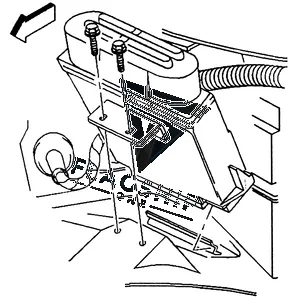
Work with the ignition off, and treat the module as static-sensitive: avoid touching the connector pins at any point.
| Operation | Configuration | Book Time |
|---|---|---|
| Engine Control Module R&R | All configurations | 1.0 hr |
| Engine Control Module Relearn | All configurations | 0.5 hr |
| Powertrain Control Module R&R | All configurations | 1.1 hr |
| Powertrain Control Module Relearn | All configurations | 0.5 hr |
After installing a new PCM in your 1993 Camaro, the unit must be programmed to match your vehicle’s VIN and calibration. This step is mandatory—without it, the engine will not start. Dealers or repair shops perform this procedure using specialized equipment. However, a VIN-programmed replacement unit arrives ready for installation, eliminating the need for additional programming and reducing downtime. Always confirm the module is correctly configured before attempting to start the vehicle.
A failing PCM in a 1993 Chevrolet Camaro may cause a range of issues, including intermittent stalling, rough idling, or a complete no-start condition. You might also notice poor acceleration, erratic shifting, or the engine running too rich or too lean. In some cases, the vehicle may enter a limp-home mode, limiting performance. While this vehicle does not use OBD-II codes, a common internal fault like control module memory checksum error could indicate PCM failure. If your scan tool fails to communicate with the module, that’s another strong sign of trouble.
Replacing the PCM is mechanically straightforward, but programming is required afterward. If you’re not equipped to handle the programming step, a repair shop or dealer will need to complete the process. Always disconnect the battery with the ignition OFF to avoid damaging the module.
If the PCM wasn’t programmed to match your vehicle’s VIN, the engine may not run correctly or at all. A relearn procedure is also necessary to synchronize the module with the engine and transmission. Without these steps, stalling or poor performance may persist.
Common signs include a no-start condition, rough idling, stalling, or erratic shifting. If your scan tool can’t communicate with the PCM, that’s another indication of failure. Since this vehicle lacks OBD-II, diagnosis relies on symptom observation and testing.
If your 1993 Chevrolet Camaro requires a new PCM, you have options. A dealer can provide a new unit with programming, but this may involve higher costs and longer wait times. Alternatively, a refurbished or pre-programmed replacement can restore functionality more quickly. Ensure the unit is compatible with your vehicle’s VIN to avoid additional programming steps.
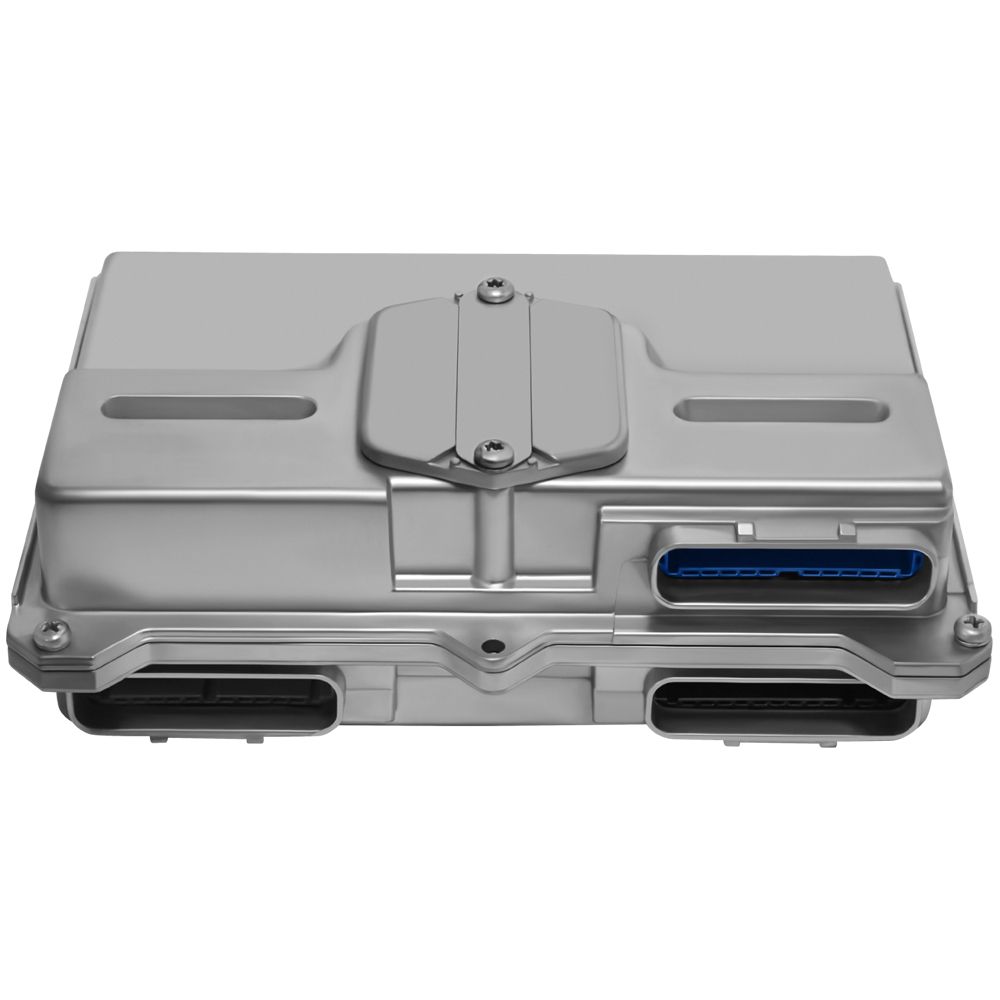
Flagship One stocks a refurbished, VIN-programmed PCM for the 1993 Chevrolet Camaro with a lifetime warranty, free shipping and no core charge. The full Chevrolet Camaro module lineup covers other engine configurations as well.
Replacing the PCM in your 1993 Chevrolet Camaro can resolve persistent drivability issues, but proper installation and programming are critical. Whether you opt for a dealer-installed unit or a pre-programmed replacement, following the correct procedures ensures your Camaro runs reliably. Addressing PCM problems promptly helps maintain performance and prevents further complications.