
Last updated on August 25th, 2026 at 02:19 pm
The engine control module (ECM) in your 2016 Cadillac Escalade manages fuel delivery, ignition timing, and emissions systems. Failures may cause drivability issues, warning lights, or prevent the engine from starting. Replacement often requires reprogramming to match your vehicle’s specifications.
If your 2016 Cadillac Escalade has been stalling, refusing to start, or throwing unexplained warning lights, the engine control module (ECM) may be the culprit. This small but critical computer oversees everything from fuel injection to ignition timing, ensuring your 6.2L V8 runs smoothly. When it fails, symptoms can range from subtle drivability quirks to complete engine shutdown. Replacing the ECM isn’t just about swapping hardware—it involves precise programming to match your vehicle’s unique configuration. Understanding the process, labor times, and what to expect can help you make informed decisions, whether you’re diagnosing an issue or preparing for a repair. This guide covers the role of the ECM in your Escalade, common failure signs, and the steps involved in replacement, so you can approach the problem with confidence.
The engine control module (ECM) in your 2016 Cadillac Escalade is the brain behind your 6.2L V8’s performance. It continuously monitors sensors throughout the engine and transmission, adjusting fuel delivery, ignition timing, and emissions systems in real time to optimize power, efficiency, and drivability. Without a properly functioning ECM, your Escalade may struggle to start, run roughly, or even enter a fail-safe mode that limits performance. This module also communicates with other vehicle systems, such as the transmission control module (TCM), to ensure smooth shifting and overall drivability. When the ECM fails, it can trigger a range of issues, from minor annoyances like rough idling to more serious problems like stalling or a complete no-start condition. Replacing the ECM isn’t as simple as bolting in a new unit—it requires precise calibration to your vehicle’s specifications. That’s why replacement engine computers for the Escalade are often pre-programmed to your VIN, ensuring a seamless installation and avoiding the need for additional dealer programming.
In the 2016 Cadillac Escalade, the engine control module (ECM) is typically located near the engine bay, mounted in a position that balances accessibility with protection from heat and moisture. Replacing the ECM involves disconnecting the battery to prevent electrical issues, then removing the module’s electrical connectors and mounting bolts. According to factory labor guides, the removal and replacement (R&R) process for the ECM takes approximately 0.6 hours. After installation, a relearn procedure is often required, which adds another 0.5 hours of labor. This step ensures the new module synchronizes with the vehicle’s sensors and systems. If the ECM is reset rather than replaced, the process may take about 0.3 hours, though this is less common for addressing hardware failures. Always follow the manufacturer’s torque specifications when securing the module to avoid damage or poor connections.
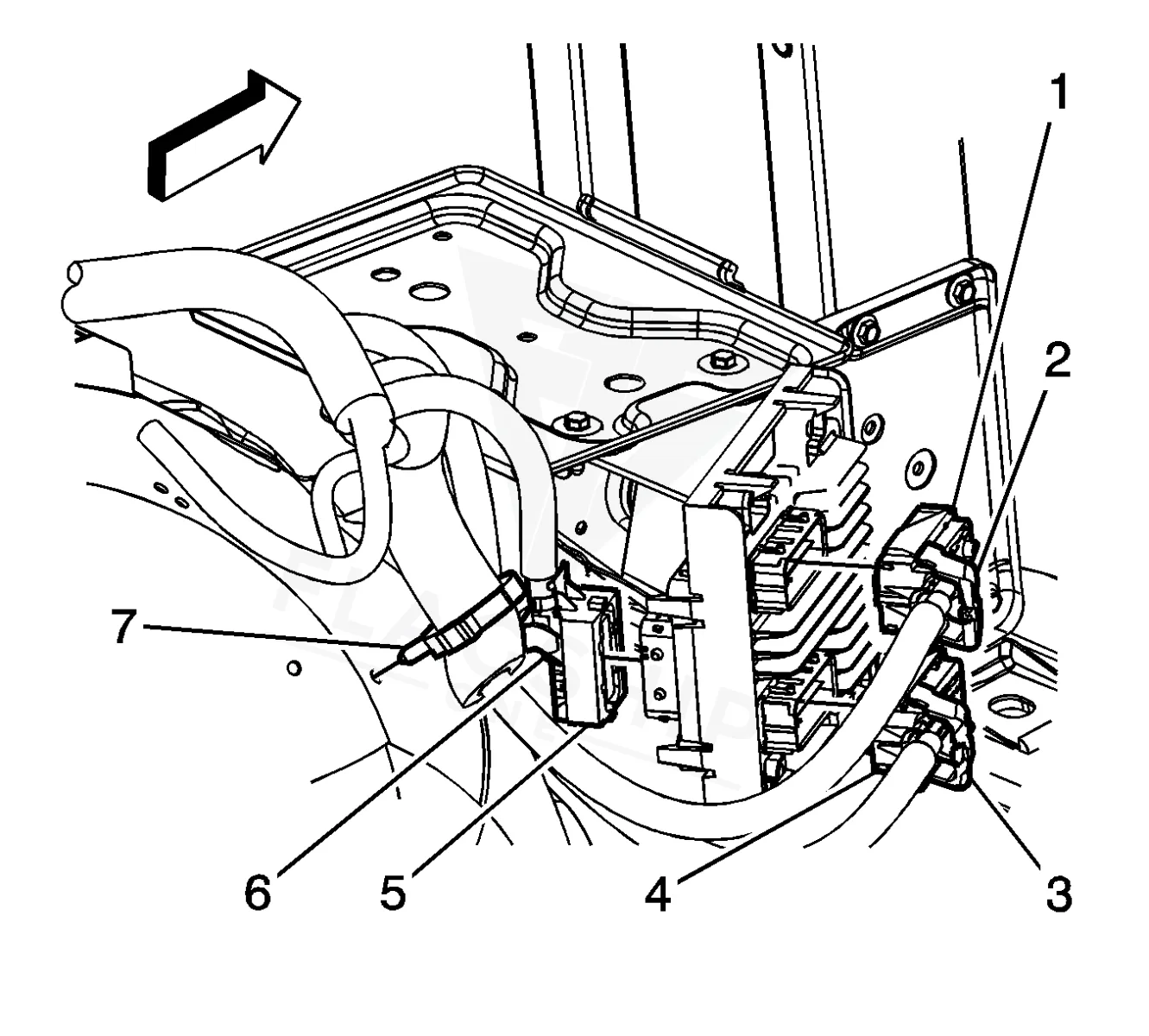
Work with the ignition off, and treat the module as static-sensitive: avoid touching the connector pins at any point.
| Operation | Configuration | Book Time |
|---|---|---|
| Powertrain Control Module R&R | All configurations | 0.6 hr |
| Powertrain Control Module Relearn | All configurations | 0.5 hr |
| Engine Control Module R&R | All configurations | 0.6 hr |
| Engine Control Module Relearn | All configurations | 0.5 hr |
| Engine Control Module Reset | All configurations | 0.3 hr |
2016 Cadillac Escalade
OEM programmed ECM for your 2016 Cadillac Escalade — plug & play, no dealer visit.
Free shipping · Lifetime warranty
After replacing the engine control module (ECM) in your 2016 Cadillac Escalade, the factory procedure requires capturing the original ECM’s data before removal and performing a relearn process to ensure the new unit communicates correctly with the vehicle’s systems. This typically involves using a scan tool to transfer or reset calibration data, a step that can add 0.5 hours of labor. However, if you opt for a VIN-programmed replacement unit, these steps are already completed before the module arrives. This means the new ECM is ready to install right out of the box, eliminating the need for additional programming or dealer visits. The pre-programmed unit is calibrated to your Escalade’s specific configuration, reducing the risk of compatibility issues and ensuring a smoother repair process.
When the engine control module (ECM) in your 2016 Cadillac Escalade begins to fail, the symptoms can vary widely, but they often include noticeable drivability issues. You may experience intermittent stalling, especially at idle or during low-speed driving, or the engine might hesitate or surge unexpectedly. Rough idling or misfires are also common, as the ECM struggles to maintain proper fuel and ignition timing. In some cases, the vehicle may refuse to start altogether, leaving you stranded. Warning lights on the dashboard, such as the check engine light, are a frequent sign of ECM problems, often accompanied by trouble codes stored in the system. For example, a internal control module memory checksum error may appear, indicating a fault within the ECM’s memory or processing capabilities. Other symptoms include poor fuel economy, as the ECM fails to optimize fuel delivery, or transmission shifting issues, since the ECM and transmission control module (TCM) work closely together. If your scan tool fails to communicate with the ECM, that’s another red flag, suggesting a complete module failure or a communication breakdown. Addressing these symptoms promptly can prevent further damage to your Escalade’s engine or transmission.
The 2016 Cadillac Escalade’s engine control module (ECM) can generate specific trouble codes when internal faults occur. These codes help pinpoint issues within the module itself, rather than external sensors or systems. Below are the documented module-internal trouble codes for this vehicle.
General Motors has issued service bulletins addressing specific issues related to the 2016 Cadillac Escalade’s transmission and engine control systems. Bulletin #15-NA-007 covers complaints of firm garage shifts, a clunk noise during startup, or an illuminated malfunction indicator light (MIL) with diagnostic trouble code (DTC) P16F3. These symptoms typically occur after the vehicle has been parked for several hours with the engine off. The bulletin recommends reprogramming the transmission control module (TCM) to resolve the issue. Another bulletin, #PIP5373B, addresses programming errors (E4491/E4423) that may occur during ECM updates. These bulletins highlight the importance of following factory procedures when servicing or replacing the ECM to avoid complications.
| Bulletin | Subject | What It Addresses |
|---|---|---|
| — | Firm Garage Shifts, Start Up Clunk, DTC P16F3 (Reprogram TCM) – (Jan 29, 2016) | Some customers may comment on any of the following conditions: Firm garage shifts, Park to Drive or Park to Reverse after the vehicle has be sitting for… |
| — | Program ECM Error E4491/E4423 – (Jun 11, 2018) | — |
Common signs of ECM failure include stalling, rough idling, misfires, or a no-start condition. Warning lights on the dashboard, such as the check engine light, are also frequent indicators. If your scan tool cannot communicate with the ECM, that may signal a complete module failure. Diagnosing the issue with a professional scan tool can help confirm whether the ECM is the root cause.
While the physical replacement of the ECM is straightforward, the process requires capturing the original module’s data before removal and performing a relearn procedure afterward. Without the proper tools and software, this can be challenging. A pre-programmed replacement unit simplifies the process, as it eliminates the need for additional programming steps.
If the ECM is not properly programmed or relearned after replacement, your Escalade may experience drivability issues, such as poor shifting, rough idling, or even a no-start condition. The vehicle’s systems rely on the ECM to communicate and function correctly, so skipping this step can lead to further complications.
A P0601 code indicates an internal control module memory checksum error, meaning the ECM has detected a fault in its memory or processing capabilities. This can cause drivability issues or prevent the engine from starting. Replacing the ECM and ensuring proper programming is often necessary to resolve this code.
The removal and replacement (R&R) process for the ECM typically takes about 0.6 hours of labor. However, a relearn procedure is often required afterward, adding another 0.5 hours. If the ECM is reset rather than replaced, the process may take about 0.3 hours, though this is less common for addressing hardware failures.
If your 2016 Cadillac Escalade is experiencing ECM-related issues, you have options for repair or replacement. A refurbished or new ECM can restore your vehicle’s performance, but it’s important to choose a unit that matches your Escalade’s specifications. Opting for a pre-programmed replacement eliminates the need for additional dealer programming, saving time and reducing the risk of compatibility issues. Whether you’re addressing a no-start condition or drivability problems, understanding the process can help you make the best choice for your vehicle.
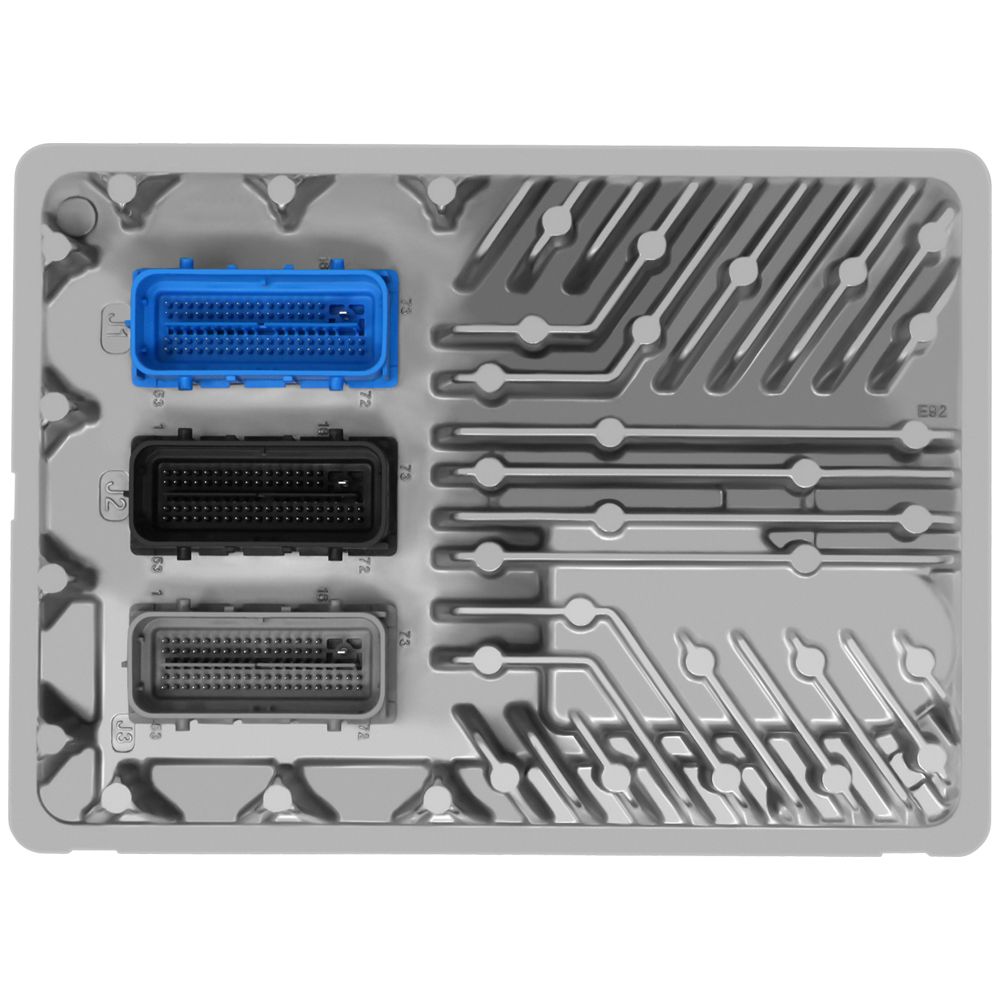
Flagship One stocks a refurbished, VIN-programmed PCM for the 2016 Cadillac Escalade with a lifetime warranty, free shipping and no core charge. The full Cadillac Escalade module lineup covers other engine configurations as well.
The engine control module (ECM) in your 2016 Cadillac Escalade plays a critical role in ensuring smooth operation and optimal performance. When it fails, symptoms like stalling, misfires, or warning lights can disrupt your driving experience. Replacing the ECM involves more than just swapping hardware—it requires proper programming to match your vehicle’s unique configuration. By understanding the process, labor times, and common failure signs, you can approach the repair with confidence. Whether you choose to address the issue yourself or seek professional help, a pre-programmed replacement unit can simplify the process and get your Escalade back on the road.