
Last updated on August 25th, 2026 at 02:19 pm
In the 2013 Cadillac XTS the Powertrain Control Module (PCM) and Engine Control Module (ECM) manage engine speed, fuel delivery, emissions and transmission shift logic. Failure of either unit typically triggers processor‑related fault codes and may prevent the vehicle from starting or running smoothly.
When a 2013 Cadillac XTS begins to exhibit erratic idle, loss of power or transmission shift problems, the underlying cause often lies in the vehicle’s electronic brain. The Powertrain Control Module and Engine Control Module work together to interpret sensor data and command the engine and transmission. Understanding how these modules operate, where they sit, and what the factory recommends for removal, installation and programming can help you evaluate repair options and avoid unnecessary downtime. This guide walks you through the key facts, typical labor times, safety cautions and post‑install requirements so you know exactly what to expect when addressing a PCM or ECM issue in your XTS.
The Powertrain Control Module in the 2013 Cadillac XTS serves as the central processor for both engine and transmission functions. It receives inputs from a network of sensors, calculates optimal fuel injection, ignition timing and shift points, and then sends commands to actuators. The Engine Control Module focuses specifically on engine management, handling tasks such as air‑fuel mixture, emissions control and idle stabilization. Both modules share data over the vehicle’s communication bus, ensuring coordinated operation. When either module fails, the vehicle may experience no‑start conditions, rough running or loss of shift control, because the computer can no longer execute its control algorithms. The design relies on precise timing and calibrated software, so any deviation can trigger the diagnostic trouble codes stored in the module memory. For a replacement, technicians often look for replacement engine control modules for the 2013 Cadillac XTS that match the original specifications and software version.
2013 Cadillac XTS Powertrain and
OEM programmed replacements — plug & play, no dealer visit.
Find yours by year, make & model →
Free shipping · Lifetime warranty
The PCM is mounted within the engine compartment, typically secured to a bracket near the firewall. Access requires disconnecting the battery, removing the cover, and unplugging the connector; the factory caution advises turning the ignition off before handling the ECM connectors to avoid damage. The labor estimate for removing and reinstalling the PCM is 1.3 hours, followed by a 0.5‑hour relearn procedure to synchronize the module with the vehicle’s systems. The ECM resides on the passenger‑side of the engine bay, attached to the intake manifold. Its removal and replacement is quoted at 0.8 hours, with an additional 0.5 hour relearn and a 0.3 hour reset to clear stored parameters after installation. No torque specifications were provided, so technicians should follow standard fastening practices for these locations.
Work with the ignition off, and treat the module as static-sensitive: avoid touching the connector pins at any point.
| Operation | Configuration | Book Time |
|---|---|---|
| Powertrain Control Module R&R | All configurations | 1.3 hr |
| Powertrain Control Module Relearn | All configurations | 0.5 hr |
| Engine Control Module R&R | All configurations | 0.8 hr |
| Engine Control Module Relearn | All configurations | 0.5 hr |
| Engine Control Module Reset | All configurations | 0.3 hr |
After the physical replacement of the ECM, the factory procedure requires special diagnostic equipment, the correct software calibration and a verification sequence to ensure the new unit communicates properly with the vehicle’s networks. Flagship One supplies each unit pre‑loaded with the exact VIN‑specific programming, so the required reprogramming steps are already completed. This means the technician can focus on the mechanical aspects of the swap while the a VIN-programmed replacement unit handles the software side, eliminating the need for on‑site calibration.
A failing PCM or ECM in a 2013 Cadillac XTS often manifests as a complete loss of engine start, intermittent stalling, rough idle, or unexpected transmission shifting. Drivers may notice the check engine light flashing and see diagnostic trouble codes stored in the module memory. One common code is processor fault, which indicates the processor within the control module is not responding as expected. Other related codes such as P0602 through P0606 may also appear, reflecting internal communication or memory errors. In addition to these codes, the vehicle may exhibit reduced power, abnormal fuel consumption, or a lack of communication with a scan tool, all of which point to a compromised control module.
The 2013 Cadillac XTS documents several module‑internal trouble codes that can appear when the PCM or ECM experiences a fault. These codes help pinpoint the exact nature of the failure and guide the repair process.
Service bulletin #PIC5696A, dated March 28, 2013, alerts technicians to a part restriction for the E39A ECM, indicating that certain ECMs are no longer approved for replacement on this model. The bulletin advises using only authorized units that meet the updated specifications.
| Bulletin | Subject | What It Addresses |
|---|---|---|
| — | PQC Part Restriction – E39A ECM Has Ended – (Mar 28, 2013) | — |
The factory book time for removing and reinstalling the PCM is about 1.3 hours, followed by a 0.5‑hour relearn procedure to synchronize the module with the vehicle.
Yes, the factory procedure calls for special diagnostic tools and the correct calibration file. A Flagship One unit arrives VIN‑programmed, so those steps are already completed.
P0601 signals a processor fault within the control module, meaning the internal processor is not functioning correctly and may require module replacement.
The installation involves disconnecting the battery, removing the connector and mounting the unit. While the mechanical steps are straightforward, the factory cautions require the ignition to be off to avoid damage, and a relearn is needed after installation.
Bulletin PIC5696A restricts the use of certain E39A ECM parts for the 2013 XTS, so only approved replacement units that meet the updated specifications should be used.
When the PCM or ECM in your 2013 Cadillac XTS fails, you can choose a brand‑new factory‑spec unit or a refurbished replacement that meets the same performance standards. Both options require the same removal and reinstall steps, but a refurbished unit from Flagship One arrives pre‑programmed, eliminating the need for on‑site calibration. Consider your budget, warranty preferences and the importance of immediate drivability when deciding which path to take.
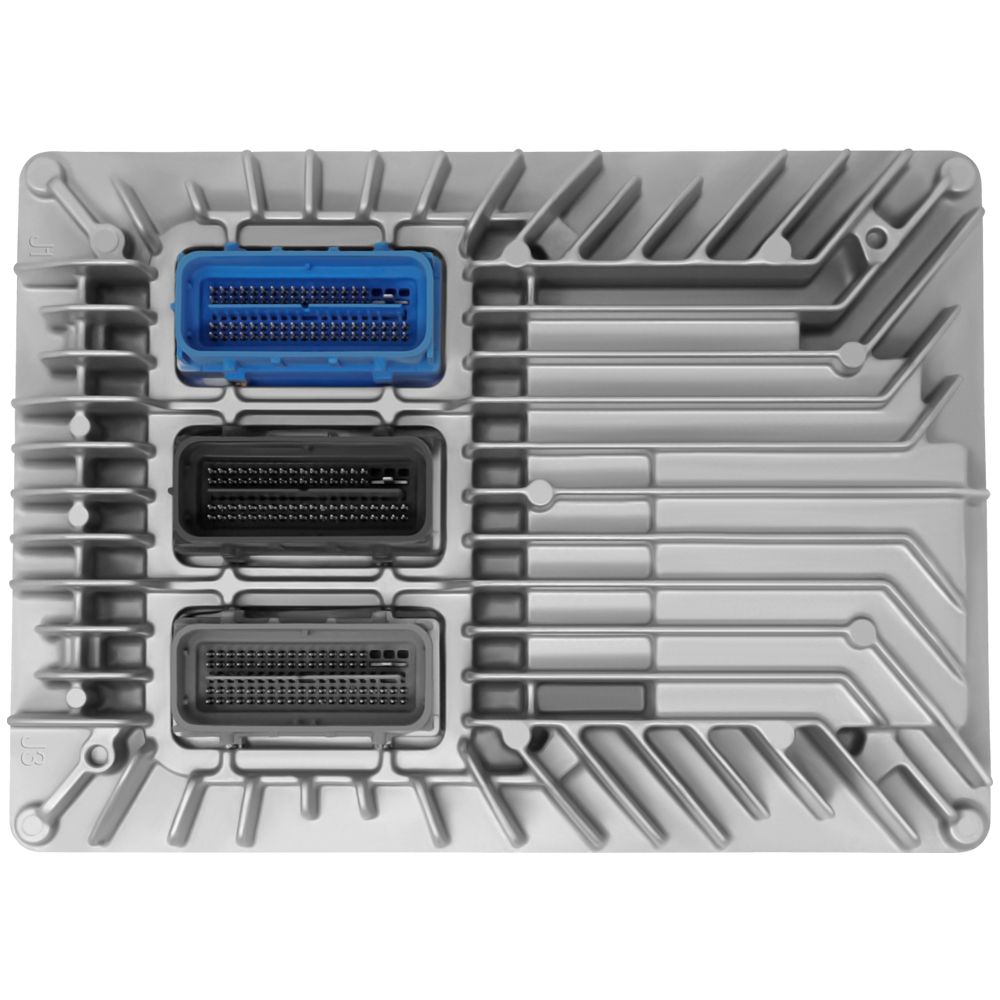
Flagship One stocks a refurbished, VIN-programmed PCM for the 2013 Cadillac XTS with a lifetime warranty, free shipping and no core charge. The full Cadillac XTS module lineup covers other engine configurations as well.
Addressing PCM or ECM issues in your 2013 Cadillac XTS promptly can restore reliable engine performance and shift quality. Whether you opt for a new or refurbished unit, the proper installation and post‑install procedures are essential for long‑term success. Contact a qualified technician to evaluate your specific situation and choose the best solution.