
Last updated on August 25th, 2026 at 02:38 pm
The Engine Control Module (ECM) in your 2013 Buick LaCrosse manages fuel delivery, ignition timing, and emissions systems. Failures may disrupt engine performance, trigger warning lights, or prevent the vehicle from starting.
If your 2013 Buick LaCrosse is experiencing unexplained stalling, a no-start condition, or persistent check engine lights, the Engine Control Module (ECM) may be at fault. This small but critical computer manages nearly every aspect of engine performance, from fuel injection to ignition timing. When it fails, symptoms can range from subtle drivability issues to complete engine shutdown. Replacing the ECM involves more than just swapping hardware—proper programming and relearn procedures are essential to restore full functionality. Understanding the role of this module, how to identify potential failures, and what replacement entails can save you time and prevent unnecessary repairs. Whether you’re troubleshooting a persistent code or preparing for a replacement, knowing the facts about your LaCrosse’s ECM will help you make informed decisions about your vehicle’s care.
The Engine Control Module in your 2013 Buick LaCrosse serves as the brain of the engine, continuously monitoring and adjusting critical systems to ensure optimal performance. It processes data from sensors throughout the vehicle, such as the oxygen sensors, throttle position sensor, and mass airflow sensor, to determine the precise amount of fuel to inject and the ideal timing for ignition. This module also plays a key role in emissions control, ensuring your LaCrosse meets regulatory standards while maintaining fuel efficiency. Without a properly functioning ECM, your vehicle may experience poor acceleration, reduced power, or even fail to start. Because the ECM is so integral to engine operation, any malfunction can lead to a cascade of issues, including misfires, stalling, or the illumination of the check engine light. When replacement becomes necessary, selecting replacement engine computers for the LaCrosse ensures compatibility and reliability, but proper installation and programming are just as critical to avoid further complications.
In the 2013 Buick LaCrosse, the Engine Control Module is typically located near the engine bay, though its exact position may require removing a few components for access. Replacing the ECM involves disconnecting the battery to prevent electrical damage, then carefully removing the module’s connectors and mounting hardware. The factory-recommended labor time for removing and reinstalling the ECM is 0.6 hours. After installation, a relearn procedure is often required to synchronize the new module with the vehicle’s systems, which may add another 0.5 hours of labor. Always ensure the ignition is turned off before connecting or disconnecting the ECM to avoid damaging sensitive electronics. While the physical replacement is straightforward, proper handling and secure connections are essential to prevent future issues.
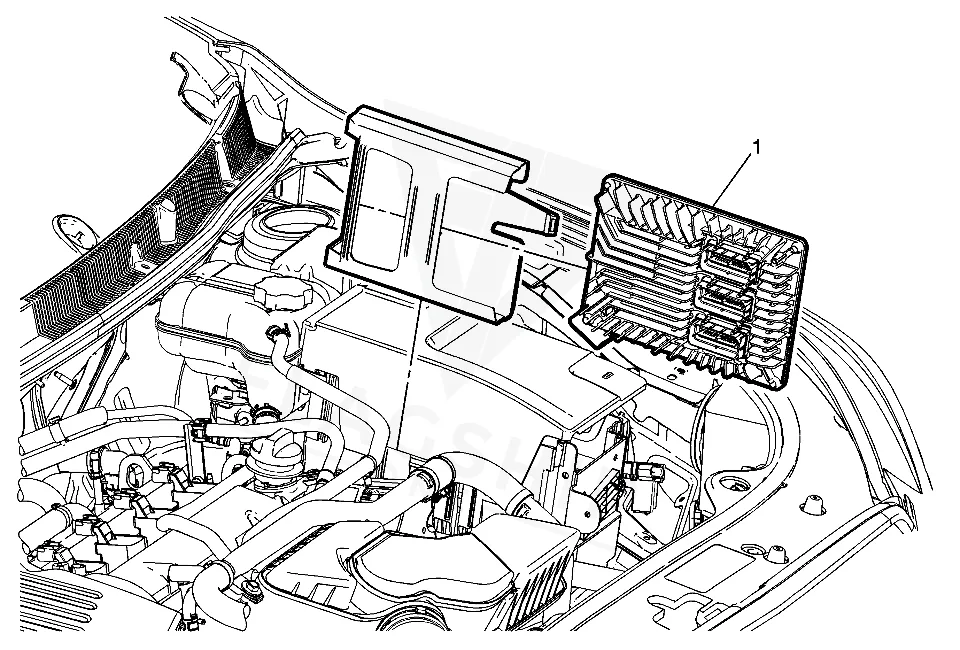
Work with the ignition off, and treat the module as static-sensitive: avoid touching the connector pins at any point.
| Operation | Configuration | Book Time |
|---|---|---|
| Powertrain Control Module Relearn | All configurations | 0.5 hr |
| Powertrain Control Module R&R | All configurations | 0.6 hr |
| Engine Control Module Relearn | All configurations | 0.5 hr |
| Engine Control Module Reset | All configurations | 0.3 hr |
| Engine Control Module R&R | All configurations | 0.6 hr |
2013 Buick LaCrosse
OEM programmed ECM for your 2013 Buick LaCrosse — plug & play, no dealer visit.
Free shipping · Lifetime warranty
After replacing the Engine Control Module in your 2013 Buick LaCrosse, the factory requires a reprogramming procedure to ensure the new unit communicates correctly with the vehicle’s systems. This process involves using specialized equipment and the correct software calibration for your specific model. Without proper programming, the ECM may not function, leading to performance issues or even a no-start condition. Fortunately, a VIN-programmed replacement unit arrives ready to install, eliminating the need for additional programming steps. This ensures the module is pre-configured to match your LaCrosse’s specifications, saving time and reducing the risk of errors during installation. Always follow factory guidelines to avoid electrical damage or improper operation, and confirm that the replacement unit is fully compatible with your vehicle’s systems before installation.
When the Engine Control Module in your 2013 Buick LaCrosse begins to fail, you may notice a range of symptoms that can vary in severity. One of the most common signs is a no-start condition, where the engine cranks but refuses to turn over. Other drivers report intermittent stalling, particularly at idle or during low-speed driving, which can be both frustrating and dangerous. Poor acceleration, rough idling, or a noticeable drop in fuel efficiency may also indicate ECM issues. In some cases, the check engine light will illuminate, often accompanied by internal fault codes like an internal control module memory error. These codes suggest the ECM is struggling to maintain its programmed functions, which can lead to erratic engine behavior. Additionally, you might experience transmission shifting problems, as the ECM communicates with the transmission control module to optimize gear changes. If your scan tool fails to communicate with the ECM, it could signal a complete module failure. Addressing these symptoms promptly can prevent further damage to your vehicle’s systems and restore reliable performance.
The 2013 Buick LaCrosse’s Engine Control Module may generate specific internal trouble codes when it experiences faults. These codes help diagnose issues related to the module’s memory, processing, or communication functions. Below are the documented codes associated with ECM failures in this vehicle.
Factory service bulletin #PIC5696A, issued in March 2013, addresses a part restriction for the E39A Engine Control Module in the 2013 Buick LaCrosse. This bulletin indicates that the E39A ECM has reached the end of its production cycle, which may impact replacement options. If you encounter ECM-related issues, this bulletin is a key reference for understanding the available solutions and ensuring compatibility with your vehicle’s systems. Always consult the latest service information when diagnosing or replacing the ECM to avoid potential mismatches or installation complications.
| Bulletin | Subject | What It Addresses |
|---|---|---|
| — | PQC Part Restriction – E39A ECM Has Ended – (Mar 28, 2013) | — |
Common signs include a no-start condition, intermittent stalling, poor acceleration, and the illumination of the check engine light. You may also notice rough idling or transmission shifting issues, as the ECM controls critical engine and drivetrain functions. Internal fault codes like P0601 often accompany these symptoms.
The factory-recommended labor time for removing and reinstalling the ECM is 0.6 hours. However, a relearn procedure may add another 0.5 hours to ensure the new module synchronizes with the vehicle’s systems. Always follow factory guidelines to avoid complications.
Yes, the factory requires reprogramming the ECM after replacement to ensure proper communication with the vehicle’s systems. This process involves specialized equipment and the correct software calibration. Using a pre-programmed replacement unit can eliminate this step and reduce installation time.
Yes, connecting aftermarket electrical equipment improperly can damage the ECM or other sensitive electronics. The factory recommends connecting any add-on equipment directly to the 12V battery to avoid voltage spikes or electrical interference that could harm the module.
If your scan tool fails to communicate with the ECM, it may indicate a complete module failure or a wiring issue. Check for loose connections, damaged wires, or blown fuses before assuming the ECM is faulty. If the problem persists, professional diagnosis is recommended.
If your 2013 Buick LaCrosse is showing signs of ECM failure, you have options for repair or replacement. While some drivers opt for a refurbished unit to save costs, a new or pre-programmed replacement ensures compatibility and reliability. Given the critical role of the ECM in engine performance, choosing a high-quality module and following proper installation procedures can restore your vehicle’s drivability and prevent future issues. Whether you’re addressing a no-start condition or persistent fault codes, understanding your options will help you make the best decision for your LaCrosse.
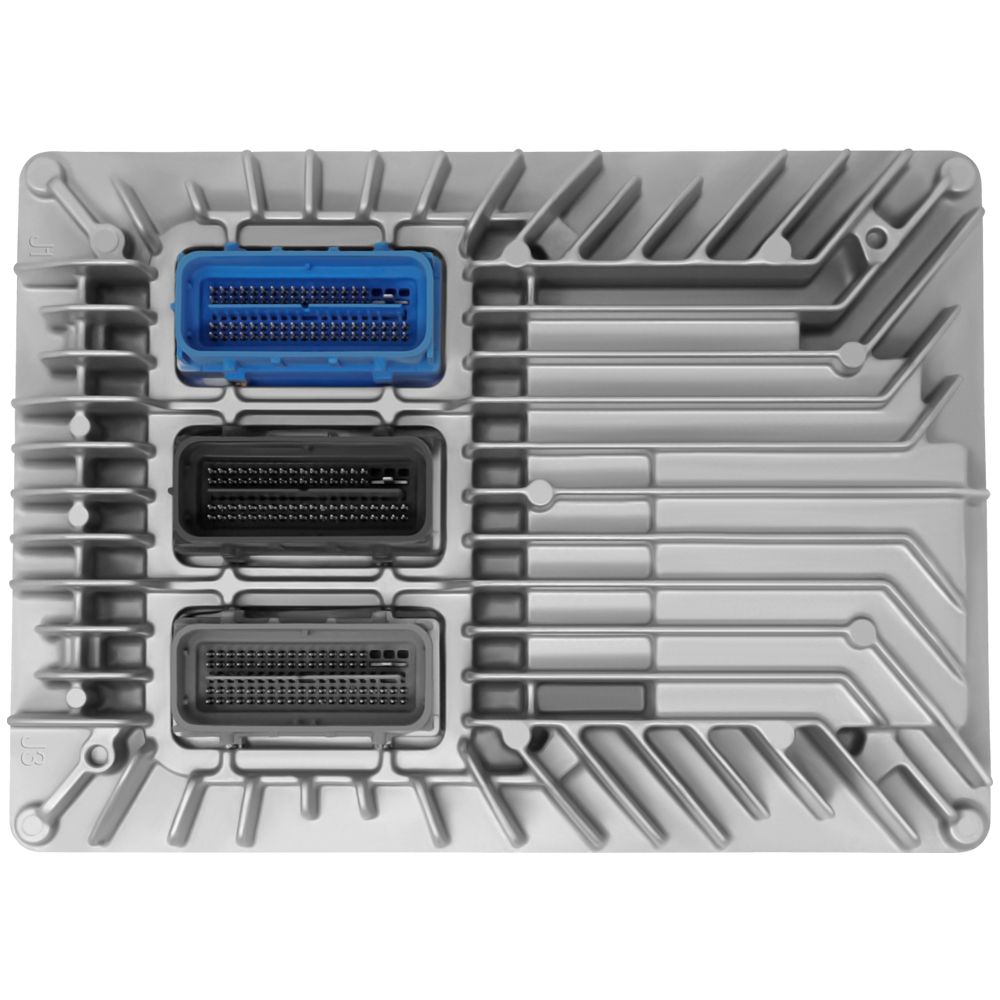
Flagship One stocks a refurbished, VIN-programmed PCM for the 2013 Buick LaCrosse with a lifetime warranty, free shipping and no core charge. The full Buick LaCrosse module lineup covers other engine configurations as well.
The Engine Control Module is a vital component of your 2013 Buick LaCrosse, managing everything from fuel delivery to emissions control. When it fails, symptoms like stalling, poor acceleration, or a no-start condition can disrupt your daily driving. Replacing the ECM involves careful handling, proper programming, and adherence to factory guidelines to ensure long-term reliability. By addressing issues promptly and choosing the right replacement, you can keep your LaCrosse running smoothly and avoid costly repairs down the road.