
Last updated on August 25th, 2026 at 02:41 pm
The Powertrain Control Module and Engine Control Module on your 1995 Buick Roadmaster is the central computer that manages fuel injection, ignition timing, transmission shifting, and emissions systems. Failure typically stems from age, heat exposure, or electrical stress, causing drivability issues or no-start conditions.
If your 1995 Buick Roadmaster is experiencing drivability problems, hard starting, or transmission shifting issues, the Powertrain Control Module or Engine Control Module may be the culprit. This vehicle uses an integrated computer that manages both engine and automatic transmission functions—a design common to GM vehicles of this era. Understanding what these modules do, where they are located, and what the replacement process involves helps you make informed repair decisions. This guide covers the function of the PCM/ECM in your Roadmaster, common failure symptoms, the replacement procedure, and your options for obtaining a replacement unit. Whether you are diagnosing a no-start condition or planning preventive maintenance, the information here helps you understand the scope of the repair and what to expect from the process.
1995 Buick Roadmaster
OEM programmed ECM for your 1995 Buick Roadmaster — plug & play, no dealer visit.
Free shipping · Lifetime warranty
The PCM (Powertrain Control Module) in your 1995 Buick Roadmaster serves as the primary computer for the vehicle’s powertrain. It receives input from numerous sensors throughout the engine and transmission, processes that information, and controls fuel injection duration, ignition timing, transmission shift points, and emissions control devices. This unit is located in the engine compartment on the driver’s side, mounted to the firewall or inner fender panel depending on your exact configuration. The ECM (Engine Control Module) terminology is sometimes used interchangeably with PCM on GM vehicles from this period, as the integration of engine and transmission control was standard practice. Because this computer interfaces with virtually every major system, a failing or faulty module can cause drivability issues ranging from mild performance degradation to complete vehicle disablement. When shopping for replacement computers for your Roadmaster, ensure the unit matches your specific VIN and application requirements.
The PCM/ECM on your 1995 Buick Roadmaster is located in the engine compartment, typically mounted on the firewall on the driver’s side, near the brake master cylinder. Access requires removing the diagnostic connector bracket and any surrounding wiring harness clips that secure the module in place. The replacement process involves disconnecting the battery, removing the electrical connectors from the module, unbolting the unit from its mounting bracket, and installing the new or remanufactured PCM in reverse order. The book time for remove and replace is 0.7 hours, with an additional 0.5 hour for the relearn procedure that must be performed after the new module is installed. When reinstalling, ensure all electrical connections are properly seated and the mounting bolts are torqued to specification. After reassembly, the vehicle’s relearn procedure allows the new module to adapt to your specific engine and transmission characteristics.
| Operation | Configuration | Book Time |
|---|---|---|
| Powertrain Control Module Relearn | All configurations | 0.5 hr |
| Powertrain Control Module R&R | All configurations | 0.7 hr |
| Engine Control Module Relearn | All configurations | 0.5 hr |
| Engine Control Module R&R | All configurations | 0.7 hr |
After replacing the PCM/ECM on your 1995 Buick Roadmaster, the factory procedure requires a relearn process to allow the new module to initialize and adapt to your vehicle’s specific engine and transmission characteristics. This relearn procedure takes approximately 0.5 hours to complete and may involve idle run cycles, driving the vehicle through various throttle positions, or using a scan tool to initiate the adaptation process. The good news is that Flagship One units arrive pre-programmed with your VIN, meaning the most time-consuming aspects of the programming process are already completed before the unit reaches your door. This translates to less time in the shop and a smoother installation experience. When you purchase a VIN-programmed replacement unit, you receive a module that is ready to install with no additional dealer programming required, though the relearn procedure is still necessary to ensure optimal performance.
When the PCM or ECM in your 1995 Buick Roadmaster begins to fail, you may notice several distinct symptoms that indicate the module is no longer functioning properly. A no-start condition is one of the most common signs, where the engine cranks but fails to ignite due to the module not delivering fuel or spark signals. Intermittent stalling while driving, particularly under acceleration or load, points to faulty signal processing within the module. Misfire codes may appear even when the spark plugs and ignition components are in good condition, indicating the module is incorrectly calculating fuel delivery or timing. In some cases, the scan tool may fail to communicate with the vehicle entirely, making diagnostic access difficult or impossible. Transmission shifting problems such as harsh shifts, delayed engagement, or failure to shift into overdrive can also originate from a failing PCM since it controls the transmission control system. These symptoms often develop gradually as the internal circuitry degrades, though sudden failures do occur, particularly in high-heat environments.
No. The PCM/ECM must be matched to your specific vehicle’s VIN and equipment options. Different Roadmaster trim levels and transmission configurations used different modules, and using an incorrect unit can cause drivability issues or no-start conditions.
The physical replacement is straightforward for those with basic mechanical skills, but the post-install relearn procedure is necessary for proper operation. If you lack diagnostic tools, having a shop perform the relearn ensures the module adapts correctly to your engine and transmission.
Diagnosing a PCM/ECM issue typically requires ruling out other causes first—check fuel pressure, spark, and sensor inputs. If all other components test good but the vehicle exhibits multiple unrelated symptoms like misfires, stalling, and shifting problems simultaneously, the module is a likely culprit.
Age-related component degradation, exposure to heat from the engine compartment, voltage spikes from charging system problems, and moisture intrusion through deteriorating connector seals are the primary failure causes in these older vehicles.
Repairing an original PCM involves circuit board work that may not address underlying causes. A quality replacement unit from Flagship One arrives VIN-programmed and tested, typically providing a more reliable long-term solution with a warranty.
When your 1995 Buick Roadmaster requires a new PCM or ECM, you have two primary options: a new or remanufactured unit, or a used module from a salvage yard. Remanufactured units like those from Flagship One are tested and come programmed to your VIN, while used modules may require programming and carry unknown remaining life. Consider your priorities—newer remanufactured units typically offer better reliability and warranty coverage than salvage yard finds, making them the preferred choice for this vintage vehicle.
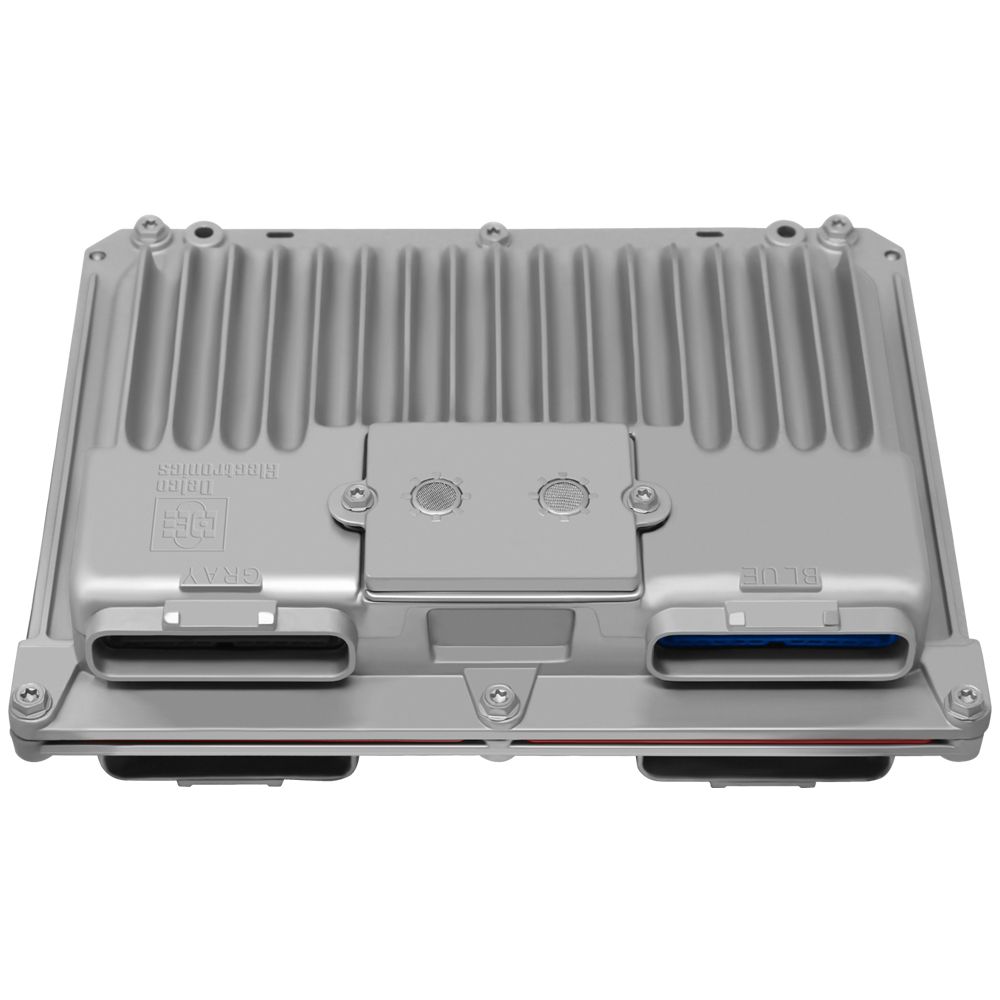
Flagship One stocks a refurbished, VIN-programmed PCM for the 1995 Buick Roadmaster with a lifetime warranty, free shipping and no core charge. The full Buick Roadmaster module lineup covers other engine configurations as well.
The PCM/ECM in your 1995 Buick Roadmaster is a critical component that, when functioning properly, ensures smooth engine operation, reliable starting, and correct transmission shifting. Understanding the symptoms of failure, the replacement process, and your options for obtaining a replacement unit helps you approach this repair with confidence. Whether you choose to repair your vehicle with a new remanufactured module or explore other options, addressing PCM/ECM issues promptly restores your Roadmaster’s drivability and dependability.