
Last updated on August 25th, 2026 at 01:43 pm
The Engine Control Module (ECM) in your 2020 Nissan Rogue manages fuel injection, ignition timing, and emissions systems. A failure may cause stalling, poor performance, or a no-start condition, often triggered by electrical issues or internal faults.
If your 2020 Nissan Rogue has been stalling unexpectedly, refusing to start, or throwing cryptic engine codes, the Engine Control Module (ECM) may be the culprit. This small but critical computer acts as the brain of your vehicle’s powertrain, managing everything from fuel delivery to ignition timing. When it fails, the symptoms can range from subtle performance issues to a complete breakdown. Understanding how the ECM functions in your Rogue, what signs indicate a problem, and what replacement involves can help you make informed decisions about repairs. Whether you’re dealing with a sudden no-start situation or persistent drivability issues, knowing the role of the ECM—and the steps required to replace it—can save you time and frustration. This guide covers the essentials, from labor times to post-installation procedures, so you can approach the repair with confidence.
The Engine Control Module (ECM) in your 2020 Nissan Rogue is responsible for overseeing the engine’s most critical functions. It continuously monitors sensors throughout the vehicle to adjust fuel injection, ignition timing, and emissions controls in real time. This ensures optimal performance, fuel efficiency, and compliance with emissions standards. Without a properly functioning ECM, your Rogue may experience poor throttle response, reduced power, or even fail to start. The module also communicates with other systems, such as the transmission and onboard diagnostics, to maintain smooth operation. When the ECM fails, it often triggers warning lights on the dashboard and may store specific trouble codes. Replacing it typically involves installing one of the replacement engine computers for the Rogue, which are designed to match the original unit’s specifications. Given its central role, a faulty ECM can disrupt multiple systems, making timely diagnosis and repair essential.
2020 Nissan Rogue
OEM programmed ECM for your 2020 Nissan Rogue — plug & play, no dealer visit.
Free shipping · Lifetime warranty
In the 2020 Nissan Rogue, the ECM is located in the engine bay, mounted near the firewall on the passenger side. Accessing it requires removing the engine cover and possibly some surrounding components, though the exact steps may vary slightly depending on the vehicle’s configuration. Replacement involves disconnecting the battery, unplugging the wiring harness, and removing the mounting bolts securing the module. The labor time for removing and reinstalling the ECM is typically 0.9 hours, according to factory estimates. After installation, the new unit must be secured with the original bolts, and the wiring harness reconnected. While the physical replacement is straightforward, the process doesn’t end there—additional steps are required to ensure the new ECM functions correctly with the rest of the vehicle’s systems.
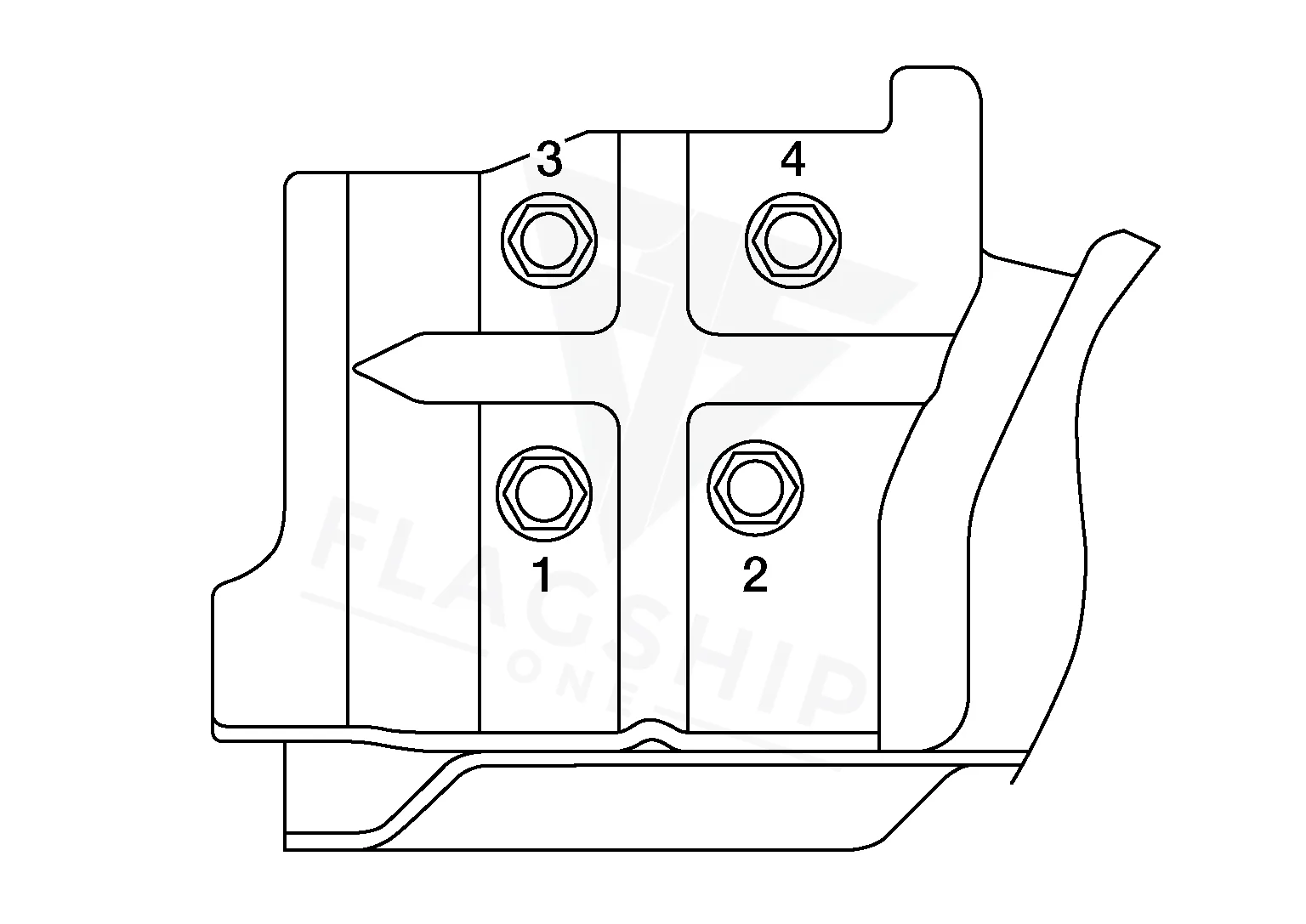
Work with the ignition off, and treat the module as static-sensitive: avoid touching the connector pins at any point.
| Operation | Configuration | Book Time |
|---|---|---|
| Powertrain Control Module R&R | All configurations | 0.9 hr |
| Powertrain Control Module Relearn | All configurations | 0.5 hr |
| Engine Control Module R&R | All configurations | 0.9 hr |
| Engine Control Module Reset | All configurations | 0.3 hr |
| Engine Control Module Relearn | All configurations | 0.5 hr |
After installing a new ECM in your 2020 Nissan Rogue, the module must undergo a relearn procedure to synchronize with the vehicle’s systems. This process, which typically takes 0.5 hours, ensures the ECM recognizes the engine’s sensors, fuel system, and other critical components. Without this step, the vehicle may run poorly or fail to start. However, if you opt for a VIN-programmed replacement unit, these steps are already completed before the part arrives. This eliminates the need for additional programming or relearn procedures at the shop, saving both time and labor costs. The factory procedure may also include resetting the ECM, which takes an additional 0.3 hours, but this is unnecessary with a pre-programmed unit. Always confirm the replacement ECM is compatible with your Rogue’s specific engine and model year to avoid compatibility issues.
When the ECM in your 2020 Nissan Rogue begins to fail, the symptoms can vary but often include noticeable drivability issues. You may experience intermittent stalling, especially at idle or during deceleration, or the engine might hesitate or surge under acceleration. A no-start condition is another common sign, where the vehicle cranks but fails to fire up. In some cases, the Rogue may enter a reduced-power mode, limiting throttle response to protect the engine. Diagnostic trouble codes, such as internal control module ROM error, may appear, indicating a fault within the ECM itself. Other potential symptoms include poor fuel economy, rough idling, or even transmission shifting issues, as the ECM communicates with the transmission control module. If your scan tool fails to communicate with the ECM, that’s a strong indicator of a complete module failure. Addressing these symptoms promptly can prevent further damage to other components.
The 2020 Nissan Rogue’s ECM may store specific trouble codes when an internal fault is detected. These codes help pinpoint the issue, though they often require further diagnosis to confirm the root cause. Below are the documented module-internal trouble codes for this vehicle.
| Code | Meaning | Full Guide |
|---|---|---|
| P0605 | Internal ROM error | Full P0605 guide → |
Common signs include stalling, a no-start condition, or the vehicle entering reduced-power mode. You may also see a check engine light with codes like P0605. If your scan tool can’t communicate with the ECM, that’s a strong indicator of failure. Symptoms often worsen over time, so early diagnosis is key.
Driving with a failing ECM is risky, as it can lead to sudden stalling or a complete loss of power. The vehicle may also run poorly, reducing fuel efficiency and increasing emissions. If you suspect an ECM issue, it’s best to have it diagnosed promptly to avoid further damage.
An ECM reset clears temporary data and restores default settings, taking about 0.3 hours. A relearn procedure, which takes 0.5 hours, teaches the ECM to recognize the vehicle’s specific sensors and systems. Both may be required after replacement, but a VIN-programmed unit eliminates the need for these steps.
The ECM must be programmed with your Rogue’s VIN to ensure compatibility with the vehicle’s immobilizer and other systems. A non-programmed unit may cause a no-start condition or trigger additional fault codes. Flagship One provides units pre-programmed to your VIN, saving time and labor.
The physical replacement typically takes 0.9 hours, according to factory labor estimates. However, additional time may be needed for a relearn procedure unless you use a VIN-programmed replacement unit. Always confirm the total labor time with your mechanic before proceeding.
If your 2020 Nissan Rogue is experiencing ECM-related issues, you have options for repair or replacement. While a dealership may recommend a new unit, a refurbished or remanufactured ECM can offer a cost-effective alternative without sacrificing reliability. Flagship One provides VIN-programmed units that eliminate the need for additional programming, reducing labor time and hassle. Whether you’re dealing with a no-start condition or persistent drivability issues, choosing the right replacement can get your Rogue back on the road quickly.
Flagship One stocks a refurbished, VIN-programmed PCM for the 2020 Nissan Rogue with a lifetime warranty, free shipping and no core charge. The full Nissan Rogue module lineup covers other engine configurations as well.
The Engine Control Module plays a vital role in your 2020 Nissan Rogue’s performance, managing everything from fuel delivery to emissions controls. When it fails, the symptoms can range from subtle drivability issues to a complete breakdown. Understanding the replacement process, labor times, and the benefits of a VIN-programmed unit can help you make an informed decision. Whether you opt for a new or remanufactured ECM, addressing the issue promptly will restore your Rogue’s reliability and keep it running smoothly.