
Last updated on August 25th, 2026 at 01:08 pm
In the 2020 Kia Soul equipped with the 2.0L engine, the Powertrain Control Module (PCM) and Engine Control Module (ECM) act as the vehicle’s electronic brain, managing fuel delivery, ignition timing and transmission coordination. A failure in either unit typically results in loss of engine control, stalling, or diagnostic trouble codes that prevent normal operation.
When a 2020 Kia Soul 2.0L begins to exhibit powertrain glitches, the underlying cause often points to the electronic control modules that govern engine and transmission behavior. Understanding how the PCM and ECM function, where they sit, and what the factory requires after a swap can save you time and avoid unnecessary diagnostic cycles. This guide walks you through the essential facts about these modules, the labor effort involved in their removal and replacement, and the programming steps that ensure your vehicle returns to smooth operation. By the end, you should know what to expect from a professional service or a qualified DIY approach, and why a VIN‑programmed replacement from Flagship One can simplify the process.
2020 Kia Soul 2.0L
OEM programmed replacements — plug & play, no dealer visit.
Find yours by year, make & model →
Free shipping · Lifetime warranty
The Powertrain Control Module and Engine Control Module in the 2020 Kia Soul 2.0L serve as the central processors for engine and transmission management. The PCM monitors sensor input to adjust fuel injection, ignition timing and shift timing, while the ECM focuses on engine-specific functions such as idle control and emissions monitoring. Together they ensure the engine runs efficiently and meets emissions standards. When either module fails, the vehicle may lose power, trigger multiple fault codes, or refuse to start. Proper operation of these computers is critical for drivability and emissions compliance. The 2020 Kia Soul replacement engine computers are designed to meet the same performance specifications as the original equipment, providing a direct swap when the original units become unreliable.
Both the PCM and ECM are mounted within the engine compartment of the 2020 Kia Soul, typically secured to the firewall or near the intake manifold. Access usually requires removal of a few covers and disconnecting the electrical harnesses. The labor book time for removing and reinstalling the Powertrain Control Module is listed as 0.9 hours, followed by a 0.5‑hour relearn procedure to synchronize the module with the vehicle’s networks. The Engine Control Module shares the same removal time of 0.9 hours, with an additional 0.5‑hour relearn step to re‑establish engine parameters. A separate reset of the ECM takes 0.3 hours, ensuring the module starts with a clean baseline after installation.
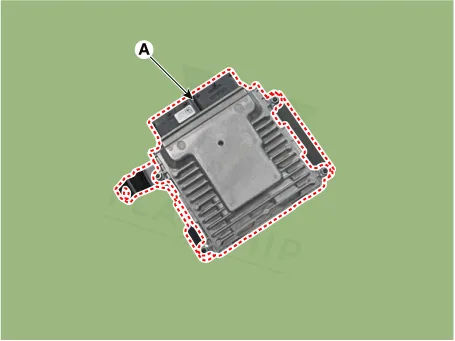
Work with the ignition off, and treat the module as static-sensitive: avoid touching the connector pins at any point.
| Operation | Configuration | Book Time |
|---|---|---|
| Powertrain Control Module R&R | All configurations | 0.9 hr |
| Powertrain Control Module Relearn | All configurations | 0.5 hr |
| Engine Control Module Reset | All configurations | 0.3 hr |
| Engine Control Module R&R | All configurations | 0.9 hr |
| Engine Control Module Relearn | All configurations | 0.5 hr |
After swapping either the PCM or ECM, the factory mandates that the vehicle identification number be programmed into the new unit to restore full communication with the vehicle’s systems. Flagship One provides a a VIN-programmed replacement unit that arrives with the VIN already encoded, so the post‑install programming step is effectively completed at delivery. This eliminates the need for a separate dealer‑level coding session and reduces the overall service time.
When the PCM or ECM begins to fail in a 2020 Kia Soul, you may notice the engine refusing to start, intermittent stalling, or unexpected loss of power during acceleration. Diagnostic trouble codes often appear, such as the processor clock fault which indicates a timing issue within the module. Other common signs include erratic transmission shifting, rough idle, and a complete loss of communication with scan tools, making it difficult to retrieve live data. These symptoms typically prompt a check of the control module health before pursuing more invasive mechanical repairs.
The factory labor guide lists about 0.9 hours for removal and reinstall of the Powertrain Control Module, plus an additional 0.5 hours for the relearn procedure.
Yes, the factory requires the VIN to be programmed into the ECM after replacement, but a VIN‑programmed unit from Flagship One arrives with this step already completed.
Typical PCM‑related codes include communication failures, fuel trim errors, and the P0601 processor clock fault, which points to internal timing issues.
Because the ECM works closely with the PCM to manage engine output, a malfunction can lead to irregular torque delivery, which may manifest as harsh or delayed shifts.
If you have the proper tools, follow the labor steps, and use a VIN‑programmed replacement, you can perform the swap, but ensure all electrical connections are secure and the relearn procedures are completed.
When the control modules in your 2020 Kia Soul need attention, you can choose a brand‑new OEM part or a refurbished unit that meets factory specifications. Both options require the same labor effort, but a VIN‑programmed replacement from Flagship One removes the post‑install coding step, letting you focus on the mechanical aspects of the swap.
Flagship One stocks a refurbished, VIN-programmed PCM for the 2020 Kia Soul with a lifetime warranty, free shipping and no core charge. The full Kia Soul module lineup covers other engine configurations as well.
Replacing the PCM or ECM in your 2020 Kia Soul 2.0L involves defined labor times and a mandatory VIN programming step. Choosing a pre‑programmed unit can streamline the process and get you back on the road with confidence. Consider your options and ensure proper installation for lasting performance.