
Last updated on August 25th, 2026 at 02:32 pm
The engine control module (ECM) in your 2019 Cadillac Escalade manages fuel delivery, ignition timing, and emissions systems. Failure may cause erratic engine behavior, stored trouble codes, or complete no-start conditions.
If your 2019 Cadillac Escalade has been stalling unexpectedly, refusing to start, or flashing a check engine light with module-related codes, the engine control module (ECM) may be at fault. This small but critical computer oversees nearly every aspect of engine performance, from fuel injection to ignition timing. When it fails, the symptoms can range from subtle drivability issues to a complete inability to start the vehicle. Replacing the ECM isn’t just about swapping a part—it involves precise torque specifications, data preservation, and a post-installation relearn procedure to ensure everything functions correctly. Understanding these steps helps you make informed decisions, whether you’re tackling the job yourself or working with a repair shop. This guide covers what the ECM does, where it’s located, how replacement works, and what to expect during the process to get your Escalade running reliably again.
The engine control module (ECM) in your 2019 Cadillac Escalade acts as the brain of the engine, continuously monitoring and adjusting critical systems to optimize performance, fuel efficiency, and emissions. It processes data from sensors throughout the engine bay, such as the throttle position, oxygen levels, and crankshaft position, then uses that information to control fuel injectors, ignition timing, and idle speed. Without a functioning ECM, the engine may run poorly or not at all. Over time, electrical issues, voltage spikes, or internal component failure can compromise the module, leading to erratic behavior or complete failure. When replacement becomes necessary, choosing replacement engine control modules for the Escalade ensures compatibility and proper calibration for your vehicle’s specific engine and transmission setup. The ECM’s role is especially important in a high-performance SUV like the Escalade, where precise fuel and ignition control directly impacts power delivery and drivability.
The ECM in the 2019 Cadillac Escalade is mounted on the left side of the engine compartment, secured to a bracket near the battery tray. To access it, you’ll need to remove the left front wheelhouse liner, which provides protection from road debris and moisture. The module itself is held in place by two bolts: one for the ECM bracket and another for the battery tray. Both bolts require a torque of 80 lb-in (9 Y) to ensure proper grounding and prevent vibration-related issues. Labor estimates for replacement are typically 0.6 hours for removing and reinstalling the module, plus an additional 0.5 hours for the required relearn procedure. If the module is simply being reset rather than replaced, the labor time drops to 0.3 hours. Proper torque is critical—overtightening may damage the bracket or module housing, while undertightening could lead to poor electrical contact.
Work with the ignition off, and treat the module as static-sensitive: avoid touching the connector pins at any point.
| Operation | Configuration | Book Time |
|---|---|---|
| Powertrain Control Module R&R | All configurations | 0.6 hr |
| Powertrain Control Module Relearn | All configurations | 0.5 hr |
| Engine Control Module R&R | All configurations | 0.6 hr |
| Engine Control Module Relearn | All configurations | 0.5 hr |
| Engine Control Module Reset | All configurations | 0.3 hr |
2019 Cadillac Escalade
OEM programmed ECM for your 2019 Cadillac Escalade — plug & play, no dealer visit.
Free shipping · Lifetime warranty
After replacing the ECM in your 2019 Cadillac Escalade, the factory procedure requires capturing the existing module’s data before removal and performing a relearn process to synchronize the new unit with the vehicle’s systems. This involves using a scan tool to transfer critical calibration data, such as fuel trims and adaptive learning values, to the new module. The relearn process typically takes 0.5 hours and ensures the ECM communicates correctly with the transmission, body control module, and other onboard computers. However, if you install a VIN-programmed replacement unit, these steps are already completed, saving time and reducing the risk of programming errors. The module arrives pre-configured to your Escalade’s VIN, so you can focus on mechanical installation and verification rather than software setup. This streamlined approach minimizes downtime and helps avoid potential issues like incorrect fuel mapping or transmission shifting problems.
When the ECM in your 2019 Cadillac Escalade begins to fail, the symptoms can vary widely, often mimicking other issues like fuel pump or ignition system problems. One of the most common signs is a no-start condition, where the engine cranks but refuses to fire, often accompanied by a lack of spark or fuel injector pulse. Stalling or rough idling may occur, particularly when the vehicle is warm, as the ECM struggles to maintain consistent fuel and ignition timing. Misfires are another frequent complaint, sometimes triggering a check engine light with codes like internal control module memory checksum error, which indicates a fault within the module itself. Other module-specific codes, such as P0602 (programming error) or P0606 (processor fault), may also appear, signaling internal failures that require replacement rather than repair. In some cases, the vehicle may enter a limp-home mode, limiting engine power to prevent damage. Scan tool communication issues, where the ECM fails to respond to diagnostic requests, are another red flag. Because the ECM controls so many engine functions, symptoms may overlap with other failures, making proper diagnosis essential before replacing the module.
The 2019 Cadillac Escalade’s ECM may store several internal trouble codes when it experiences a fault. These codes typically indicate issues with the module’s memory, processor, or communication circuits and often require replacement rather than repair. Below are the documented module-internal codes for this vehicle.
General Motors has issued service bulletins addressing ECM-related issues in the 2019 Cadillac Escalade. Bulletin #PIP5373B, released in June 2018, covers programming errors E4491 and E4423, which may occur during module updates or replacements. These errors can prevent the ECM from functioning correctly, leading to no-start conditions or drivability issues. Another bulletin, #06-08-47-001O, published in June 2019, outlines warranty procedures for control module reprogramming under the Service Programming System (SPS). This bulletin emphasizes the importance of following factory programming protocols to avoid complications during ECM replacement or updates. If your Escalade exhibits symptoms like stalling, misfires, or module communication errors, these bulletins may provide guidance for diagnosis and repair.
| Bulletin | Subject | What It Addresses |
|---|---|---|
| — | Preliminary Information > Engine/Propulsion > #PIP5373B: Program ECM Error E4491/E4423 – (Jun 1 | — |
| 06-08-47-001 | Bulletins > Power and Signal Distribution > #06-08-47-001O: Warranty Administration – Warranty | ” field on the job card. Dealers must also enter one of the codes in the |
The ECM stores adaptive learning values, such as fuel trims and transmission shift patterns, specific to your vehicle. A relearn ensures the new module synchronizes with these settings and communicates properly with other onboard computers. Without it, the engine may run poorly or the transmission may shift erratically.
While the vehicle may still run, a P0601 code indicates an internal ECM fault that could lead to stalling, misfires, or a no-start condition. Driving with this code risks further damage or unexpected breakdowns, so it’s best to address it promptly.
Failing to capture the ECM data before removal may result in lost calibration values, such as fuel trims and adaptive learning data. This can lead to poor engine performance, rough idling, or transmission shifting issues until the module relearns these values over time.
Resetting the ECM may temporarily clear codes or restore default settings, but it won’t fix internal hardware failures. If the module is damaged, resetting it may only provide a short-term solution before symptoms return.
ECM failures in the 2019 Escalade may be covered under the factory warranty if the vehicle is within the original or extended warranty period. Check with your dealership or review bulletin #06-08-47-001O for reprogramming coverage details.
If your 2019 Cadillac Escalade is experiencing ECM-related issues, you have options for replacement. A new OEM module ensures factory calibration but may come with a higher cost and longer wait times. Alternatively, a refurbished or remanufactured unit can provide the same reliability at a lower price, especially when pre-programmed to your VIN. For many owners, the choice comes down to balancing cost, convenience, and confidence in the replacement process. Whether you opt for a dealer-installed unit or a DIY-friendly solution, ensuring proper installation and programming is key to restoring your Escalade’s performance.
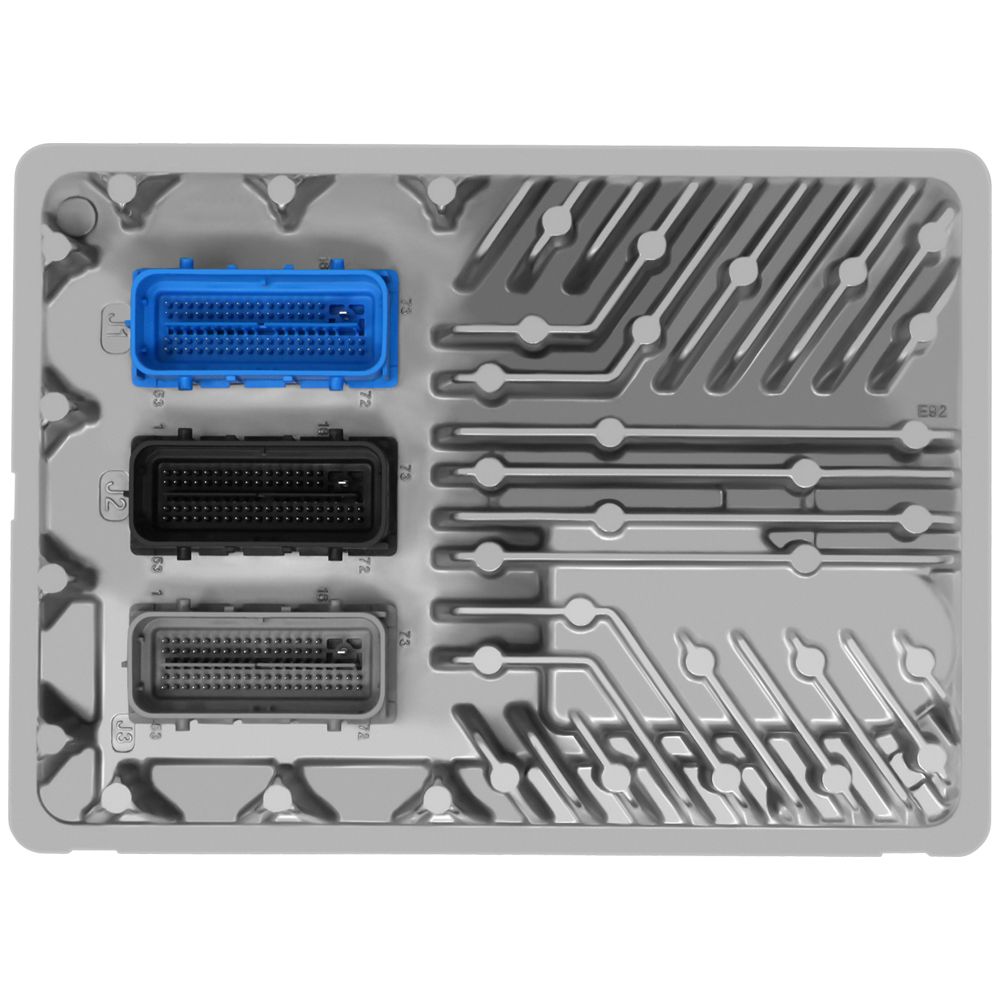
Flagship One stocks a refurbished, VIN-programmed PCM for the 2019 Cadillac Escalade with a lifetime warranty, free shipping and no core charge. The full Cadillac Escalade module lineup covers other engine configurations as well.
The engine control module in your 2019 Cadillac Escalade plays a critical role in keeping your vehicle running smoothly. When it fails, symptoms like stalling, misfires, or no-start conditions can leave you stranded. Replacing the ECM involves more than just swapping a part—it requires careful attention to torque specs, data preservation, and post-installation procedures. By understanding the process and choosing a VIN-programmed replacement, you can minimize downtime and avoid potential programming headaches. Whether you’re handling the repair yourself or working with a shop, addressing ECM issues promptly will help keep your Escalade reliable for years to come.