
Last updated on August 25th, 2026 at 01:16 pm
The Powertrain Control Module (PCM) or Engine Control Module (ECM) in your 2017 Infiniti QX30 manages fuel injection, ignition timing, and emissions systems. Failure may cause erratic engine behavior, poor performance, or a complete no-start condition.
If your 2017 Infiniti QX30 has been stalling unexpectedly, refusing to start, or throwing cryptic engine codes, the Powertrain Control Module (PCM) or Engine Control Module (ECM) may be the culprit. This small but critical computer manages everything from fuel delivery to ignition timing, ensuring your engine runs smoothly. When it fails, the symptoms can range from subtle performance issues to a complete breakdown. Replacing the module isn’t just about swapping parts—it involves precise labor, programming, and relearning procedures to restore full functionality. Understanding these steps helps you make informed decisions, whether you’re tackling the job yourself or working with a mechanic. This guide covers what the PCM/ECM does, where it’s located, how replacement works, and what to expect during the process. You’ll also learn how to spot failure symptoms early and avoid common pitfalls that can damage the module over time.
The Powertrain Control Module (PCM) or Engine Control Module (ECM) in your 2017 Infiniti QX30 acts as the brain of the engine and transmission. It continuously monitors sensors for data like air intake, throttle position, and exhaust composition, then adjusts fuel injection, ignition timing, and emissions controls in real time. This ensures optimal performance, fuel efficiency, and compliance with emissions standards. Without a functioning PCM/ECM, your QX30 may struggle to start, run roughly, or even enter a fail-safe mode that limits power. The module also communicates with other vehicle systems, such as the transmission control unit, to coordinate shifting and torque delivery. Over time, electrical surges, moisture intrusion, or internal component wear can degrade the module’s performance. When replacement becomes necessary, you’ll need replacement engine computers for the QX30 that are compatible with your vehicle’s specifications. A faulty PCM/ECM doesn’t just affect drivability—it can also trigger warning lights, reduce fuel economy, and lead to more expensive repairs if ignored.
2017 Infiniti QX30
OEM programmed ECM for your 2017 Infiniti QX30 — plug & play, no dealer visit.
Free shipping · Lifetime warranty
In the 2017 Infiniti QX30, the PCM/ECM is typically mounted near the engine bay, often behind a protective cover or close to the firewall. Accessing it requires removing a few bolts or clips, and the process may involve disconnecting wiring harnesses and vacuum lines. Labor time for removal and replacement (R&R) is usually around 0.7 hours, according to factory estimates. Once the old module is removed, the new unit must be installed in the same position, ensuring all connectors are securely fastened. Torque specifications for mounting bolts are critical to prevent vibration damage or poor electrical contact. After installation, the module may require a reset or relearn procedure, which can add 0.3 to 0.5 hours of labor, depending on the specific steps involved. Mechanics often use a scan tool to verify proper communication before finalizing the job.
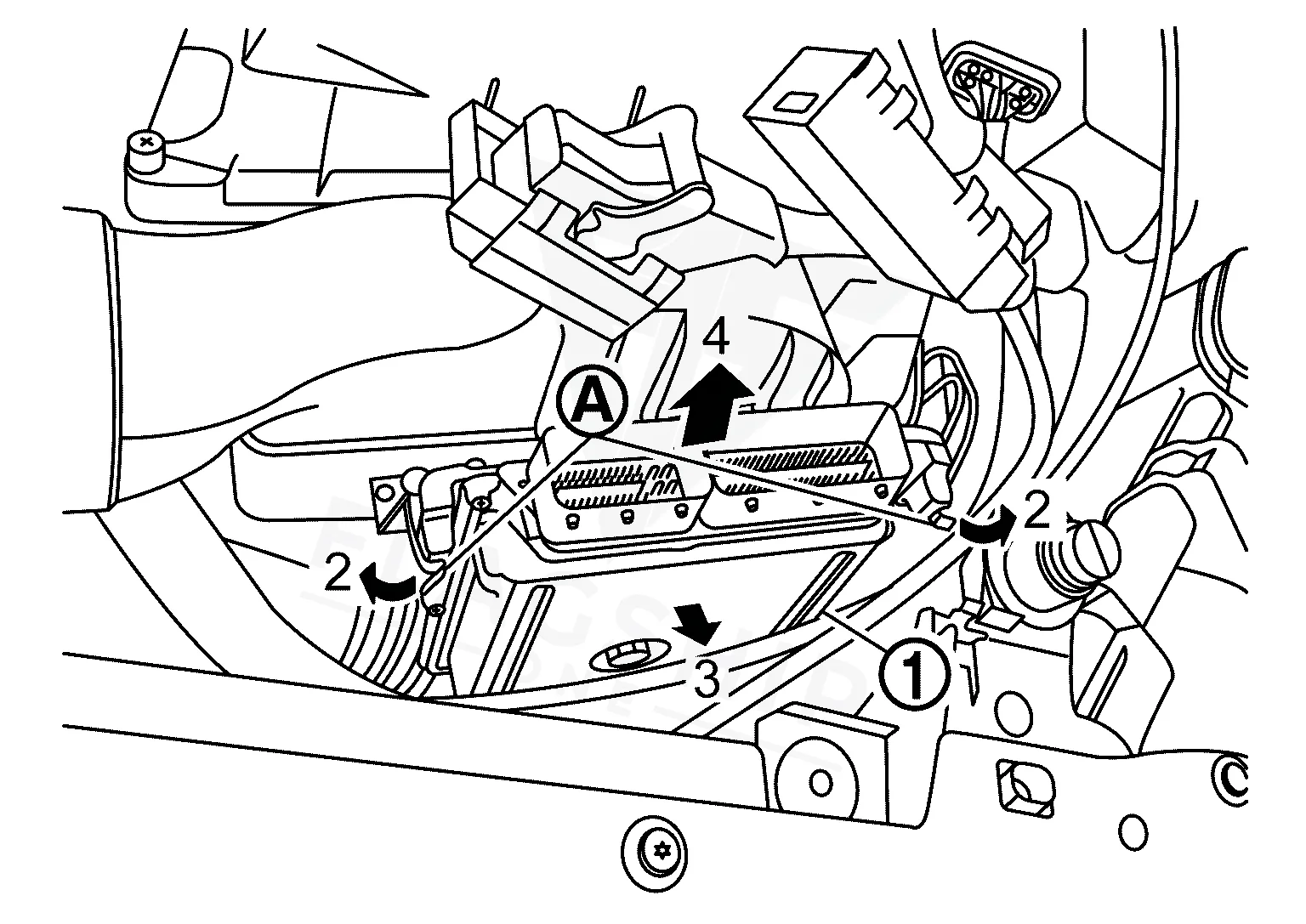
Work with the ignition off, and treat the module as static-sensitive: avoid touching the connector pins at any point.
| Operation | Configuration | Book Time |
|---|---|---|
| Powertrain Control Module Relearn | All configurations | 0.5 hr |
| Powertrain Control Module R&R | All configurations | 0.7 hr |
| Engine Control Module Reset | All configurations | 0.3 hr |
| Engine Control Module Relearn | All configurations | 0.5 hr |
| Engine Control Module R&R | All configurations | 0.7 hr |
After replacing the PCM/ECM in your 2017 Infiniti QX30, the factory procedure typically requires a reset or relearn process to synchronize the new module with the vehicle’s systems. This may involve a 0.3-hour reset or a 0.5-hour relearn, depending on the specific requirements. The relearn ensures the module adapts to your engine’s unique characteristics, such as fuel trims and sensor calibrations. However, if you install a VIN-programmed replacement unit, these steps are already completed, saving you time and avoiding potential dealer reprogramming fees. The pre-programmed module arrives ready to communicate with your QX30’s sensors and systems, reducing the risk of post-installation issues like stalling or poor performance. Always confirm that the replacement unit matches your vehicle’s VIN to ensure compatibility and seamless integration.
A failing PCM/ECM in your 2017 Infiniti QX30 can manifest in several ways, often mimicking other mechanical or electrical issues. One of the most common signs is a no-start condition, where the engine cranks but refuses to fire. You may also experience intermittent stalling, especially at idle or during deceleration, as the module struggles to maintain proper fuel and ignition timing. Misfires are another frequent symptom, often accompanied by rough running or a noticeable loss of power. The check engine light may illuminate, and a scan tool might reveal communication errors or specific trouble codes like an internal control module memory check sum error. In some cases, the transmission may shift erratically or fail to engage gears properly, as the PCM/ECM coordinates with the transmission control unit. Dead scan tool communication—where the diagnostic tool fails to connect to the module—is a strong indicator of module failure. Other symptoms include poor fuel economy, excessive exhaust emissions, or the vehicle entering a limp-home mode to prevent further damage. If you notice any of these issues, prompt diagnosis is key to avoiding more costly repairs down the road.
Common signs include a no-start condition, stalling, misfires, or a check engine light with communication errors. A scan tool may show codes like P0601 or fail to connect to the module. If these symptoms appear, the PCM/ECM may need testing or replacement.
Replacement is physically straightforward but requires proper tools and precautions. The module is typically located in the engine bay, and labor time is around 0.7 hours. However, programming and relearn procedures are necessary afterward, which may require professional equipment.
The relearn process allows the new module to adapt to your engine’s specific characteristics, such as fuel trims and sensor calibrations. Without it, the vehicle may run poorly or fail to start. Factory procedures often include a 0.5-hour relearn step.
A reset (0.3 hours) clears temporary data and restores default settings, while a relearn (0.5 hours) recalibrates the module to your engine’s unique parameters. Both may be required after replacement, depending on the situation.
A used module may physically fit, but it must be reprogrammed to match your vehicle’s VIN and specifications. Without proper programming, it may cause drivability issues or fail to communicate with other systems.
If your 2017 Infiniti QX30 is experiencing PCM/ECM-related issues, you have options beyond costly dealer repairs. A refurbished or new replacement module can restore functionality, but it must be VIN-programmed to avoid additional reprogramming steps. Pre-programmed units eliminate the need for dealer visits, saving time and reducing the risk of post-installation problems. Whether you choose to replace the module yourself or have a professional handle it, understanding the process ensures a smoother repair experience.
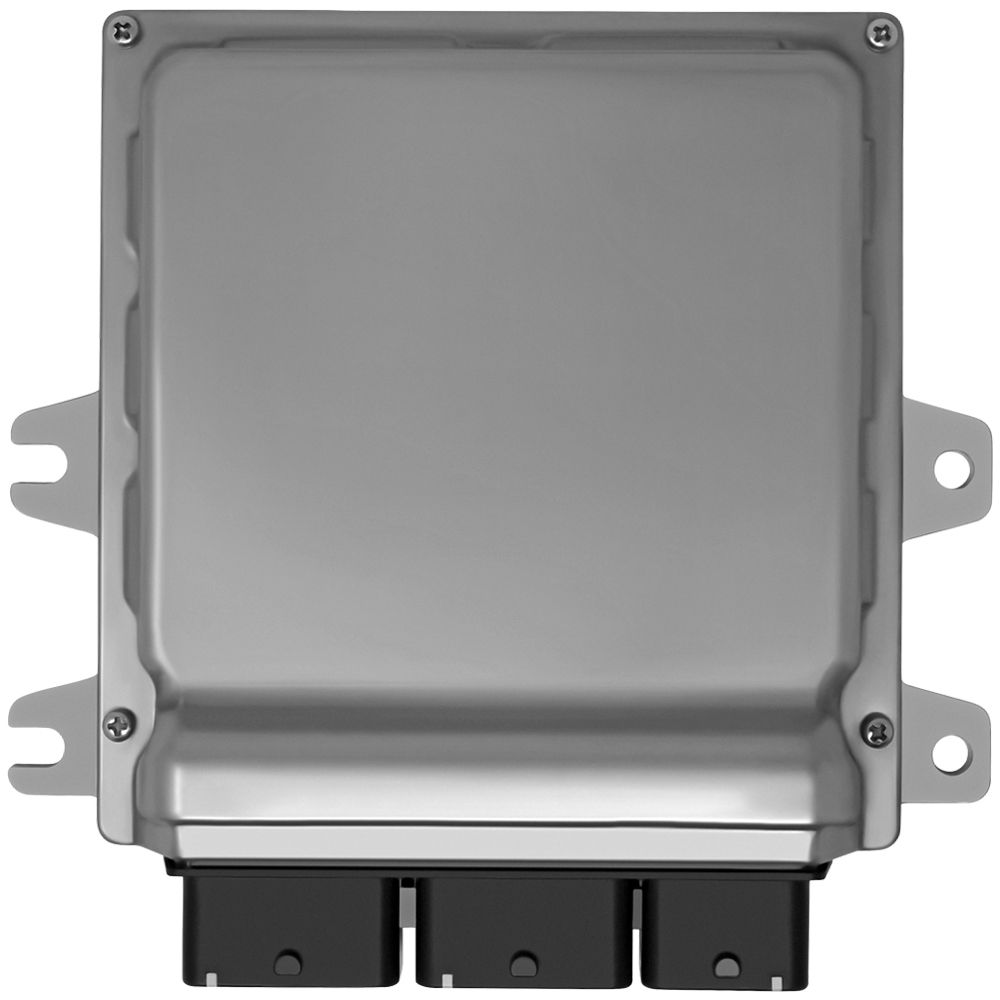
Flagship One stocks a refurbished, VIN-programmed PCM for the 2017 Infiniti QX30 with a lifetime warranty, free shipping and no core charge. The full Infiniti QX30 module lineup covers other engine configurations as well.
The PCM/ECM in your 2017 Infiniti QX30 plays a vital role in engine performance, fuel efficiency, and emissions control. When it fails, symptoms like stalling, misfires, or a no-start condition can leave you stranded. Replacement involves careful installation, programming, and relearn procedures, but a VIN-programmed module simplifies the process. By addressing issues early and following proper maintenance practices, you can extend the life of your QX30’s electronics and avoid more costly repairs down the road.