
Last updated on August 25th, 2026 at 12:23 pm
The Engine Control Module (ECM) in your 2017 Buick Enclave manages fuel delivery, ignition timing, and emissions systems. Internal faults may cause drivability issues like stalling, misfires, or a no-start condition, often triggering diagnostic trouble codes.
If your 2017 Buick Enclave has been stalling unexpectedly or throwing cryptic engine codes, the Engine Control Module (ECM) may be the culprit. This small but critical computer manages everything from fuel injection to ignition timing, ensuring your 3.6L V6 runs smoothly. When it fails, symptoms can range from subtle drivability quirks to a complete no-start condition. Replacing the ECM isn’t just about swapping a part—it involves careful handling to avoid electrostatic damage, capturing existing data before removal, and often reprogramming the new unit. Understanding these steps helps you avoid unnecessary dealer trips and ensures your Enclave gets back on the road without delays. Whether you’re a DIYer or working with a shop, knowing what to expect can save time and prevent headaches during the repair process.
The Engine Control Module (ECM) in your 2017 Buick Enclave serves as the brain of the engine, continuously monitoring sensors and adjusting fuel, air, and spark to optimize performance and emissions. It communicates with the transmission control module, body control module, and other systems to ensure seamless operation. A failing ECM can disrupt this communication, leading to poor throttle response, reduced fuel economy, or even a vehicle that won’t start. Because the ECM is tailored to your Enclave’s 3.6L V6 engine, it must be precisely calibrated to match the vehicle’s specifications. When replacement becomes necessary, using replacement engine computers for the Buick Enclave ensures compatibility and avoids compatibility issues that generic modules might introduce. The module’s location near the engine bay also exposes it to heat and vibration, which can accelerate wear over time.
The ECM in your 2017 Buick Enclave is mounted on a bracket in the engine compartment, typically near the firewall or strut tower. To access it, you’ll need to gently lift the retaining tab and carefully remove the module from its support brackets. The factory labor guide allocates 0.9 hours for removal and reinstallation (R&R), which includes disconnecting the electrical connector and transferring any necessary components. A separate 0.5-hour slot is reserved for the ECM relearn procedure, which synchronizes the module with the vehicle’s other systems. To prevent electrostatic damage, avoid touching the connector pins directly—handle the module by its edges or housing. Once removed, the new ECM must be seated securely in the bracket to avoid vibration-related issues.
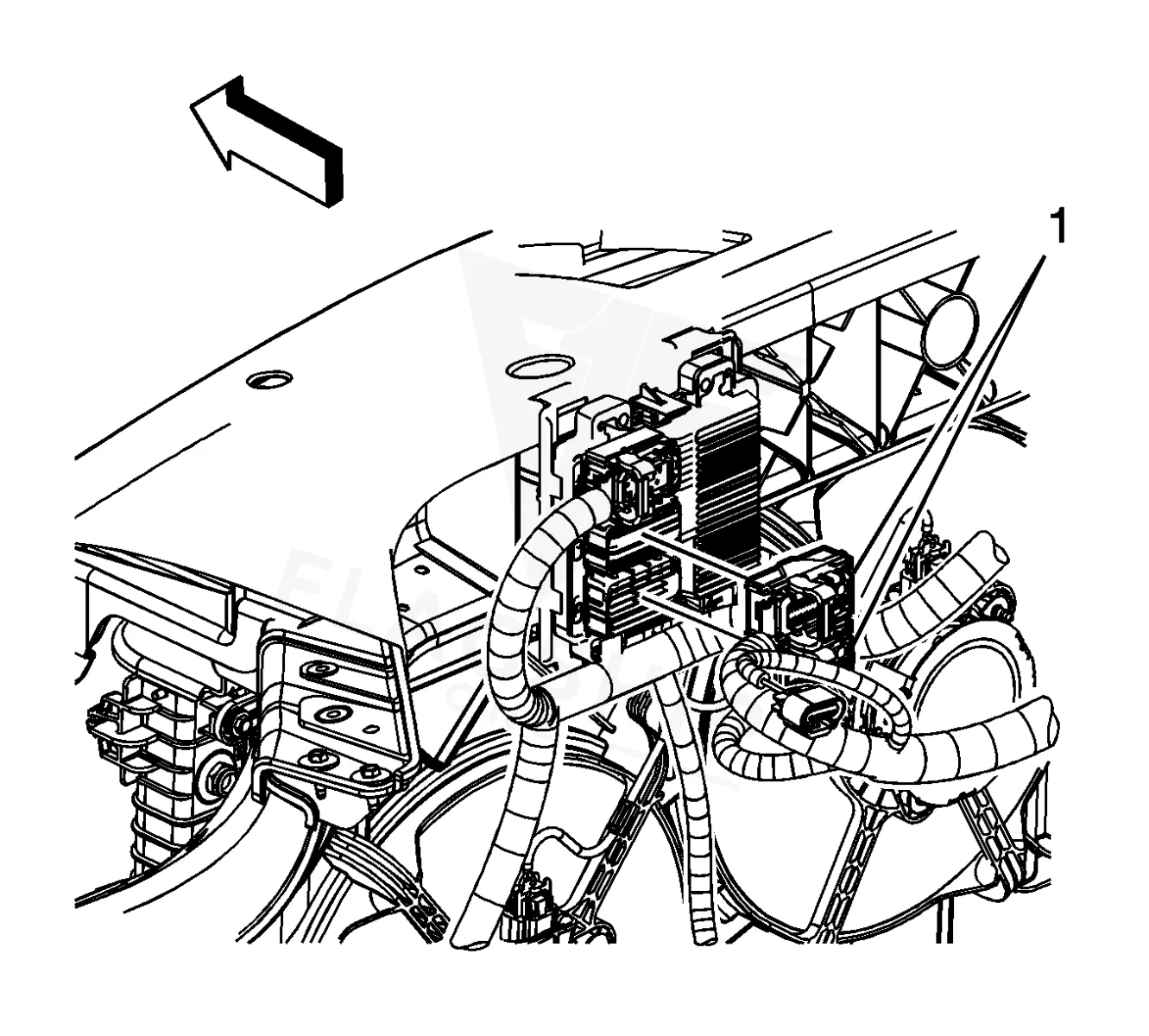
Work with the ignition off, and treat the module as static-sensitive: avoid touching the connector pins at any point.
| Operation | Configuration | Book Time |
|---|---|---|
| Powertrain Control Module R&R | All configurations | 0.9 hr |
| Engine Control Module Relearn | All configurations | 0.5 hr |
| Engine Control Module R&R | All configurations | 0.9 hr |
2017 Buick Enclave
OEM programmed ECM for your 2017 Buick Enclave — plug & play, no dealer visit.
Free shipping · Lifetime warranty
A failing ECM in your 2017 Buick Enclave can manifest in several ways, often mimicking other engine or transmission issues. Common symptoms include intermittent stalling, especially at idle or during deceleration, as the module loses its ability to regulate fuel and spark timing. You might also notice rough idling, hesitation under acceleration, or a sudden drop in fuel economy. In some cases, the vehicle may fail to start altogether, leaving you stranded. Diagnostic trouble codes are a key indicator—this vehicle is prone to module-internal faults like internal control module memory checksum error, P0602 (control module programming error), or P0603 (internal control module keep-alive memory error). These codes often appear alongside drivability issues, signaling that the ECM is no longer functioning reliably. If your scan tool can’t communicate with the ECM at all, that’s another red flag. While these symptoms can overlap with sensor or wiring problems, persistent ECM-related codes point to the module itself as the likely culprit.
The codes below point to the PCM itself rather than to a sensor or circuit it monitors. Each one links through to its full diagnostic guide.
| Code | Meaning | Full Guide |
|---|---|---|
| P0601 | Internal memory checksum error | Full P0601 guide → |
| P0602 | Control module programming error | Full P0602 guide → |
| P0603 | Keep-alive memory (KAM) error | Full P0603 guide → |
| P0604 | Internal RAM error | Full P0604 guide → |
| P0606 | Module processor failure | Full P0606 guide → |
| P0611 | Module-internal fault | Full P0611 guide → |
| P062B | Module-internal fault | — |
| P062F | Internal EEPROM error | Full P062F guide → |
| P0630 | Module-internal fault | Full P0630 guide → |
| P162C | Module-internal fault | — |
General Motors has issued service bulletins addressing ECM-related issues in the 2017 Buick Enclave. Bulletin #PIP5373B (June 11, 2018) covers programming errors E4491 and E4423, which may occur during module updates. Another bulletin, #17-NA-242 (July 24, 2017), outlines changes to the Service Programming System (SPS) that warn or prohibit reprogramming a module with its current calibration. These bulletins highlight the importance of following updated procedures to avoid complications during ECM replacement or reprogramming. If you encounter programming errors, referring to these bulletins may provide guidance on resolving the issue.
| Bulletin | Subject | What It Addresses |
|---|---|---|
| — | Program ECM Error E4491/E4423 – (Jun 11, 2018) | — |
| — | Information on Changes to SPS that Warn/Prohibit Reprogramming a Module With Its Current Calibr | — |
Stalling after an ECM replacement often occurs if the module wasn’t properly relearned or reprogrammed. The factory procedure requires a 0.5-hour relearn process to synchronize the ECM with the vehicle’s systems. If this step is skipped, the engine may struggle with fuel delivery or ignition timing, leading to stalling. Using a pre-programmed module can help avoid this issue.
While the vehicle may still run with a P0601 code, it’s not advisable to ignore it. This code indicates an internal memory checksum error in the ECM, which can lead to unpredictable behavior like stalling or poor performance. Addressing it promptly prevents potential drivability issues or further damage to the module.
Common signs include stalling, rough idling, or a no-start condition. Diagnostic trouble codes like P0601, P0602, or P0603 are strong indicators of ECM failure. If your scan tool can’t communicate with the module, that’s another red flag. Persistent symptoms paired with these codes suggest the ECM may need replacement.
No, touching the connector pins can cause electrostatic discharge, which may damage the ECM. Always handle the module by its housing or edges, and avoid direct contact with the pins. This precaution helps prevent costly failures during installation or removal.
Skipping the reprogramming step can result in drivability issues like stalling, poor acceleration, or warning lights. The ECM must be calibrated to match your vehicle’s specifications, and without reprogramming, it may not communicate correctly with other systems. Using a pre-programmed module eliminates this risk.
If your 2017 Buick Enclave is experiencing ECM-related issues, you have options beyond a costly dealer replacement. A refurbished or new ECM can restore functionality, but choosing a VIN-programmed unit saves time and avoids the hassle of on-site reprogramming. Whether you’re tackling the job yourself or working with a shop, understanding the replacement process ensures a smoother repair. Consider the labor hours and factory procedures involved to make an informed decision.
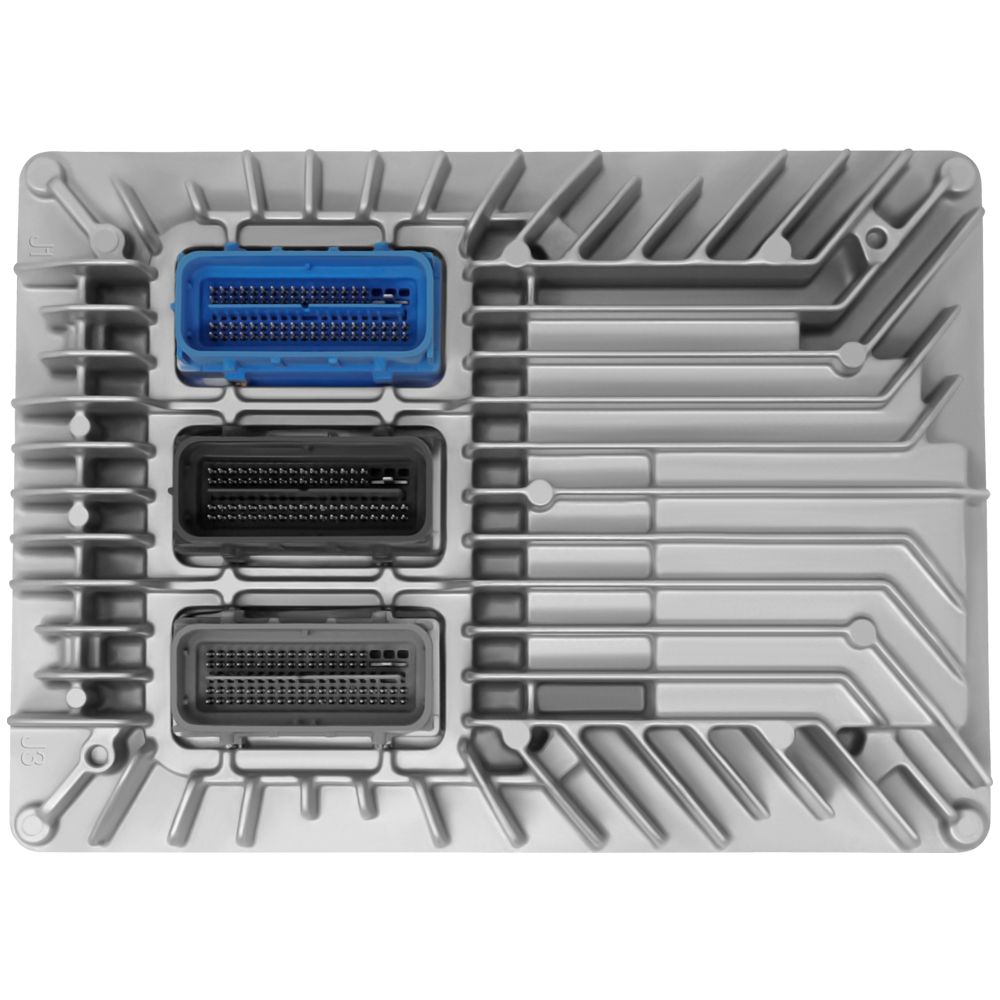
Flagship One stocks a refurbished, VIN-programmed PCM for the 2017 Buick Enclave with a lifetime warranty, free shipping and no core charge. The full Buick Enclave module lineup covers other engine configurations as well.
Replacing the ECM in your 2017 Buick Enclave is a manageable task when you understand the steps involved. From handling the module carefully to ensuring proper programming, each detail matters in restoring your vehicle’s performance. If you’re dealing with stalling, codes, or a no-start condition, a VIN-programmed replacement can simplify the process. Addressing ECM issues promptly keeps your Enclave running reliably for miles to come.