
Last updated on August 25th, 2026 at 12:17 pm
The powertrain control module (PCM) in your 2016 Audi TT manages engine and transmission functions. When it malfunctions, you may experience starting issues, erratic shifting, or poor performance due to disrupted fuel, ignition, or emissions control signals.
If your 2016 Audi TT has been acting unpredictably—stalling at stops, refusing to start, or throwing cryptic engine codes—there’s a good chance the powertrain control module (PCM) is the culprit. This compact but critical computer oversees everything from fuel delivery to transmission shifts, and when it fails, your vehicle’s performance can suffer in frustrating ways. Replacing it isn’t just about swapping a part; it involves precise labor steps and programming to ensure the new module communicates correctly with the rest of the car. Understanding the process, from diagnosis to installation, helps you make informed decisions about repairs. You’ll learn what the PCM does, where it’s located, how to spot failure signs, and what to expect during replacement—so you can get your TT back on the road with confidence.
The powertrain control module in your 2016 Audi TT serves as the brain for both the engine and transmission, coordinating critical functions like fuel injection, ignition timing, and gear shifts. Unlike older vehicles with separate engine and transmission controllers, the TT’s PCM consolidates these tasks into a single unit, improving efficiency and responsiveness. This integration means a failure can disrupt multiple systems at once, leading to symptoms like rough idling, delayed acceleration, or even a complete no-start condition. The module constantly monitors sensor inputs—such as throttle position, oxygen levels, and crankshaft speed—to adjust performance in real time. When it malfunctions, you may notice warning lights on the dashboard or erratic behavior that feels like a mechanical issue but stems from electronic miscommunication. Replacing it with replacement powertrain control modules for the Audi TT ensures your vehicle’s systems work in harmony, restoring smooth operation and fuel economy. Without a properly functioning PCM, even basic driving tasks can become unreliable.
2016 Audi TT 2.0L
OEM programmed ECM for your 2016 Audi TT 2.0L — plug & play, no dealer visit.
Free shipping · Lifetime warranty
The powertrain control module in your 2016 Audi TT is located near the engine bay, typically mounted on the firewall or inner fender for protection from heat and moisture. Accessing it requires removing a few components, such as the air intake assembly or battery tray, to reach the module’s mounting bolts. The replacement process involves disconnecting the electrical connector, unbolting the old unit, and installing the new one—tasks that typically take 0.9 hours of labor according to factory guidelines. Once the new module is secured, the electrical connector must be reattached, ensuring a clean, corrosion-free connection. While the physical swap is straightforward, the real work lies in the post-installation steps, which are critical for proper functionality. Torque specifications for the mounting bolts are usually provided in the service manual to prevent over-tightening, which could damage the module or its mounting surface.
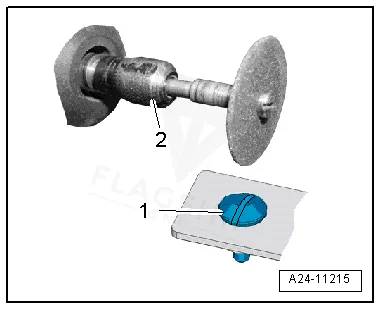
Work with the ignition off, and treat the module as static-sensitive: avoid touching the connector pins at any point.
| Operation | Configuration | Book Time |
|---|---|---|
| Powertrain Control Module R&R | All configurations | 0.9 hr |
| Powertrain Control Module Relearn | All configurations | 0.5 hr |
| Engine Control Module Relearn | All configurations | 0.5 hr |
| Engine Control Module Reset | All configurations | 0.3 hr |
| Engine Control Module R&R | All configurations | 0.9 hr |
After installing a new powertrain control module in your 2016 Audi TT, the factory procedure requires a relearn process to synchronize the module with the vehicle’s systems. This typically involves connecting a diagnostic tool to reset adaptive values, calibrate sensors, and ensure the module recognizes the transmission and engine components. The process can take up to 0.5 hours, depending on the vehicle’s response and the tools used. However, when you opt for a VIN-programmed replacement unit, these steps are already completed before the module arrives. This means your TT will recognize the new PCM immediately, reducing the risk of post-installation issues like poor shifting or erratic engine behavior. While some shops may still perform a quick reset (0.3 hours) to clear any residual codes, the bulk of the programming work is eliminated, saving you time and potential headaches.
A failing powertrain control module in your 2016 Audi TT can manifest in several ways, often mimicking other mechanical or electrical issues. One of the most common signs is a no-start condition, where the engine cranks but refuses to fire, often due to the PCM failing to send the correct signals to the fuel injectors or ignition system. You may also experience stalling, particularly at idle or during low-speed driving, as the module struggles to maintain stable engine operation. Transmission shifting problems, such as harsh or delayed gear changes, can occur if the PCM isn’t communicating properly with the transmission control system. Another telltale sign is the illumination of the check engine light, often accompanied by trouble codes like internal control module memory checksum error, which indicates a fault within the PCM itself. In some cases, the vehicle may enter a “limp mode,” limiting engine power to prevent further damage. Scan tool communication issues—where the diagnostic tool fails to connect to the PCM—are another red flag, suggesting the module is unresponsive or corrupted. If you notice any of these symptoms, it’s worth investigating the PCM as a potential cause, especially if other common culprits like spark plugs or fuel pumps have been ruled out.
Start by checking for trouble codes with a scan tool, as the PCM often throws specific faults like P0601 when it’s malfunctioning. If the vehicle stalls, won’t start, or has shifting issues, and other common causes like fuel pumps or sensors have been ruled out, the PCM is a likely suspect. A professional diagnosis can confirm whether the module needs replacement.
Skipping the relearn procedure may result in poor engine performance, erratic shifting, or even a no-start condition. The PCM needs to recalibrate to the vehicle’s sensors and systems to function correctly. Without this step, the module may not communicate properly with the engine or transmission, leading to drivability issues.
Driving with a failing PCM can be risky, as it may lead to unpredictable behavior like stalling or sudden loss of power. In some cases, the vehicle may enter limp mode to protect itself, but prolonged driving with a faulty module could potentially damage other components, such as the transmission or catalytic converter.
PCM failures can stem from several factors, including voltage spikes from a weak battery or faulty alternator, corrosion in electrical connectors, or exposure to moisture. Over time, the module’s internal components may degrade, leading to communication errors or complete failure. Regular maintenance can help mitigate these risks.
In some cases, resetting the PCM by disconnecting the battery for a few minutes may temporarily resolve minor issues. However, if the module is truly faulty, a reset won’t fix the underlying problem. A professional diagnosis can determine whether a reset, relearn, or replacement is necessary.
If your 2016 Audi TT is showing signs of a failing PCM, you have options beyond costly dealership repairs. A refurbished replacement module can restore functionality at a fraction of the price, especially when it arrives pre-programmed to your VIN. This eliminates the need for additional programming steps, saving you time and ensuring a smoother installation. Whether you’re dealing with a no-start condition or erratic shifting, addressing the PCM promptly can prevent further drivability issues and keep your TT running reliably.
Flagship One stocks a refurbished, VIN-programmed PCM for the 2016 Audi TT with a lifetime warranty, free shipping and no core charge. The full Audi TT module lineup covers other engine configurations as well.
The powertrain control module in your 2016 Audi TT plays a critical role in keeping your vehicle running smoothly, and when it fails, the symptoms can be frustrating. From no-start conditions to transmission shifting problems, a faulty PCM can disrupt your daily driving experience. By understanding the replacement process, recognizing failure signs, and opting for a pre-programmed unit, you can restore your TT’s performance without unnecessary hassle. If you’re experiencing any of these issues, it’s worth exploring your options to get back on the road with confidence.