
Last updated on August 25th, 2026 at 12:42 pm
In the 2015 Lincoln MKT the Powertrain Control Module and Engine Control Module manage engine timing, fuel delivery, and transmission shift strategy. A malfunction can disrupt powertrain coordination, trigger internal fault codes, and prevent the vehicle from starting or shifting correctly.
When a 2015 Lincoln MKT begins to exhibit no‑start conditions, erratic shifting, or unexpected loss of power, the underlying cause may lie in the vehicle’s core control computers. The Powertrain Control Module (PCM) and Engine Control Module (ECM) act as the brain for engine and transmission functions, interpreting sensor data and commanding actuators. Understanding how these modules operate, what symptoms signal a problem, and the steps required to replace and program them can help you make an informed decision about repair versus refurbishment. This guide walks you through the definition of each module, typical labor times, programming requirements, common failure signs, and practical prevention tips so you can keep your MKT running smoothly.
The PCM in the 2015 Lincoln MKT receives inputs from dozens of sensors, calculates optimal fuel and spark timing, and directs transmission shift points. The ECM performs a similar role for engine management, overseeing emissions controls and idle stability. Together they ensure the powertrain runs efficiently and meets regulatory standards. A fault in either module can interrupt communication with the vehicle’s network, leading to loss of driveability. Because the PCM and ECM share a common data bus, a single failure may affect both engine and transmission functions. Proper operation is essential for performance, fuel economy, and emissions compliance. Replacement units must match the vehicle’s specifications, and the process often involves replacement engine computer for MKT to maintain system integrity.
2015 Lincoln MKT
OEM programmed ECM for your 2015 Lincoln MKT — plug & play, no dealer visit.
Free shipping · Lifetime warranty
Both the PCM and ECM are mounted within the engine compartment, typically secured to the firewall or near the intake manifold. Access generally requires removal of the air intake duct and several electrical connectors. Labor estimates from the factory service guide list 0.5 hours for a PCM relearn, 0.9 hours for PCM removal and reinstall, 0.3 hours for an ECM reset, and 0.9 hours for ECM removal and reinstall. The ECM also includes a 0.5‑hour relearn step. Installation involves disconnecting the battery, unplugging the module harnesses, removing the mounting bolts, positioning the new unit, and torquing the bolts to factory specifications if provided. Reconnection of the harnesses follows the reverse order, ensuring all pins seat fully before restoring power.
| Operation | Configuration | Book Time |
|---|---|---|
| Powertrain Control Module Relearn | All configurations | 0.5 hr |
| Powertrain Control Module R&R | All configurations | 0.9 hr |
| Engine Control Module Reset | All configurations | 0.3 hr |
| Engine Control Module R&R | All configurations | 0.9 hr |
| Engine Control Module Relearn | All configurations | 0.5 hr |
After installing a new PCM or ECM, the factory procedure calls for a specific re‑learn or reset sequence to synchronize the module with the vehicle’s network. For the PCM, a relearn operation takes about half an hour, while the ECM requires a reset followed by a relearn of similar duration. Flagship One supplies a VIN‑programmed replacement unit that already contains the correct calibration data, so these programming steps are effectively completed before the unit reaches your shop. Nonetheless, technicians should verify communication with a scan tool and clear any residual codes to confirm proper integration.
A failing PCM or ECM in a 2015 Lincoln MKT often reveals itself through intermittent no‑start conditions, rough idle, or unexpected transmission shifts. Drivers may notice a loss of power during acceleration, stalling at low speeds, or the illumination of the check engine light accompanied by internal fault codes. One common internal code is engine control module internal malfunction, which indicates a problem within the module itself. Additional signs can include erratic throttle response, failure of diagnostic communication, and occasional loss of cruise control. Because the modules govern both engine and transmission, any disruption can produce a cascade of performance issues that may appear unrelated at first glance.
The following internal fault codes are documented for the 2015 Lincoln MKT and can help pinpoint module‑related problems:
| Code | Meaning | Full Guide |
|---|---|---|
| P0606 | Module processor failure | Full P0606 guide → |
The vehicle may operate in a limp‑home mode, but performance will be limited and emissions compliance may be compromised.
It signals an internal malfunction within the engine control module, often requiring module replacement after ruling out wiring issues.
A reset can clear temporary glitches, but if the underlying hardware is failing, the issue will likely return.
Factory labor guides estimate about 0.9 hours for removal and reinstall, plus an additional 0.5 hours for the relearn process.
Factory programming requires a dealer‑level scan tool, but a VIN‑programmed Flagship One unit eliminates the need for on‑site coding.
When a PCM or ECM fails in your 2015 Lincoln MKT, you can choose a new factory‑spec unit or a refurbished replacement that meets the same performance standards. Both options require the same labor steps, but a refurbished module from Flagship One arrives pre‑programmed, reducing shop time and minimizing the risk of post‑install errors. Evaluating the condition of the existing hardware and the cost of labor can help you decide the most practical path forward.
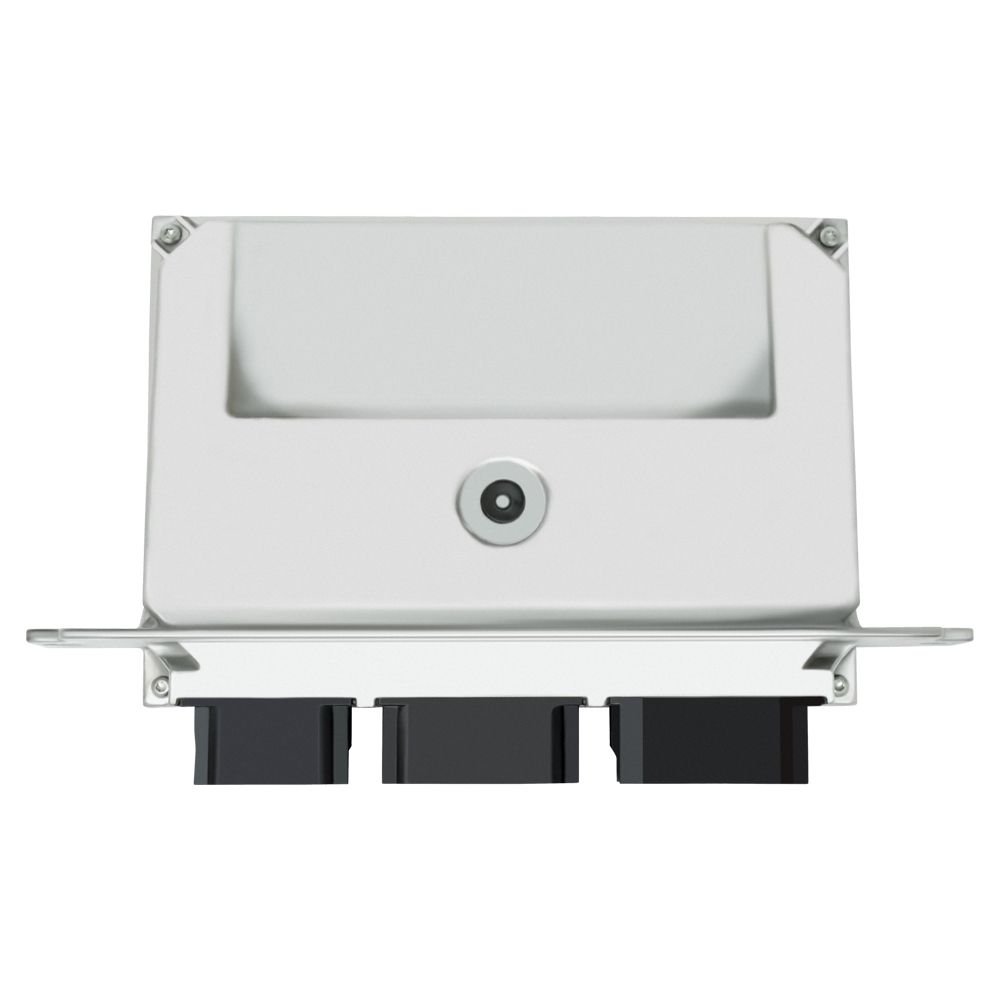
Flagship One stocks a refurbished, VIN-programmed PCM for the 2015 Lincoln MKT with a lifetime warranty, free shipping and no core charge. The full Lincoln MKT module lineup covers other engine configurations as well.
If your 2015 Lincoln MKT shows powertrain control issues, addressing the PCM or ECM promptly can restore reliable operation. Consider a Flagship One replacement to simplify programming and keep your vehicle on the road. Contact a qualified technician to assess the best solution for your situation.