
Last updated on August 25th, 2026 at 01:16 pm
In the 2015 Infiniti Q50 Hybrid, the powertrain control module (PCM) and engine control module (ECM) act as the vehicle’s brain, managing fuel delivery, ignition timing, and transmission shifts. Failure of either unit can disrupt communication across the powertrain, trigger internal fault codes, and cause drivability issues such as stalling or loss of power.
When a 2015 Infiniti Q50 Hybrid begins to exhibit erratic performance, a common culprit is the powertrain control module or the engine control module. These electronic controllers coordinate engine output, hybrid system engagement, and transmission behavior. Understanding how they function, what symptoms they produce, and the steps required to replace and program them can save you time and reduce unnecessary visits to the dealer. This guide walks you through the essential information so you can assess the issue, decide on repair or replacement, and know exactly what to expect from a qualified technician.
The powertrain control module in the 2015 Infiniti Q50 Hybrid monitors and directs the gasoline engine, electric motor, and continuously variable transmission to work together smoothly. It receives data from sensors, calculates optimal torque split, and commands actuators to achieve fuel efficiency and performance targets. The engine control module performs a similar role for the internal combustion engine, handling ignition timing, fuel injection, and emission controls. Together, they ensure the hybrid system responds correctly to driver input and road conditions. A fault in either unit can cause the vehicle to lose power, enter limp mode, or generate diagnostic trouble codes. Proper operation is critical for meeting emissions standards and preserving fuel economy. replacement powertrain control modules are designed to match the vehicle’s communication protocols and hardware interfaces.
2015 Infiniti Q50 Hybrid
OEM programmed ECM for your 2015 Infiniti Q50 Hybrid — plug & play, no dealer visit.
Free shipping · Lifetime warranty
Both the PCM and ECM are mounted within the engine compartment of the 2015 Infiniti Q50 Hybrid, typically attached to the firewall or near the intake manifold. Access often requires removal of a few engine covers and disconnecting the battery to prevent electrical shorts. The labor guide lists a removal and reinstall time of 2.1 hours for the 3.5L powertrain control module and the same duration for the 3.5L engine control module. After the unit is physically replaced, a relearn step of 0.5 hours is required for each module to synchronize with the vehicle’s existing sensors and control strategies.
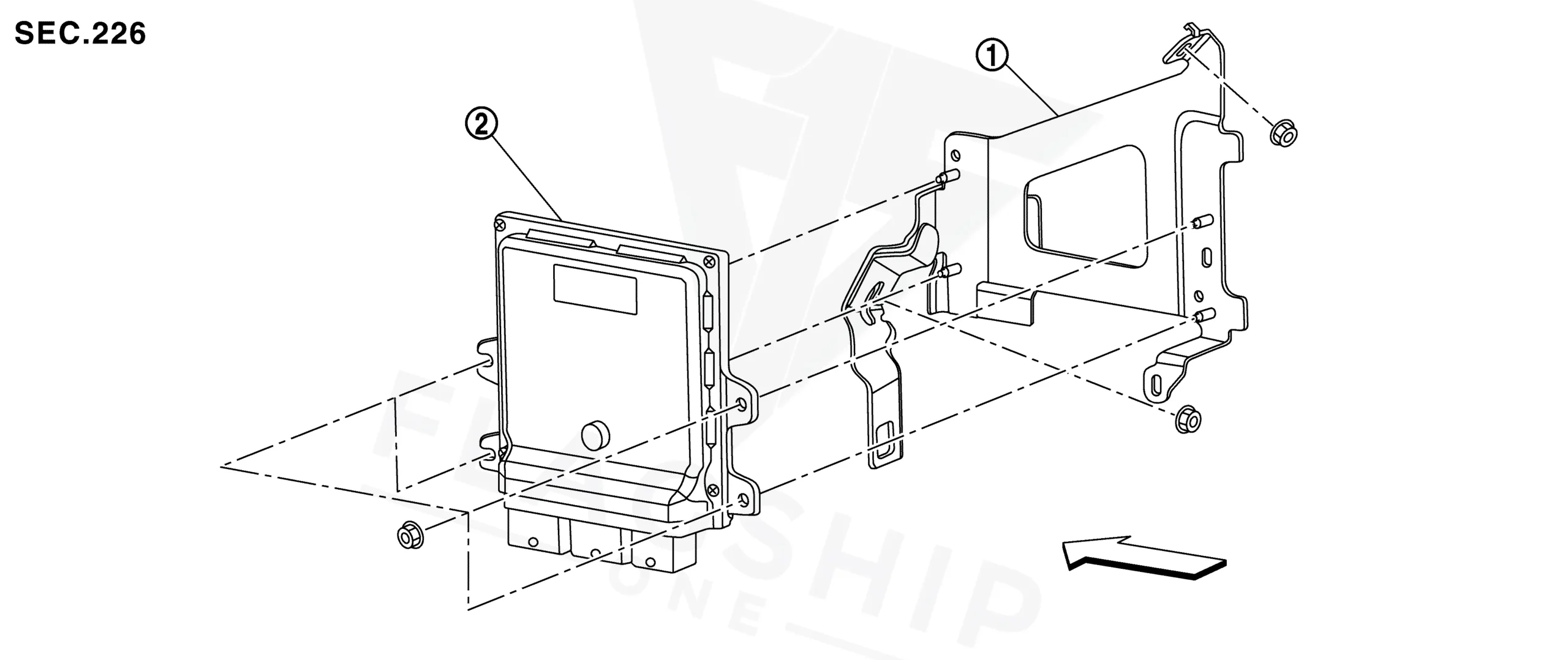
Work with the ignition off, and treat the module as static-sensitive: avoid touching the connector pins at any point.
| Operation | Configuration | Book Time |
|---|---|---|
| Powertrain Control Module Relearn | All configurations | 0.5 hr |
| Powertrain Control Module R&R | 3.5L | 2.1 hr |
| Powertrain Control Module R&R | 3.7L | 1.4 hr |
| Engine Control Module Reset | All configurations | 0.3 hr |
| Engine Control Module Relearn | All configurations | 0.5 hr |
| Engine Control Module R&R | 3.7L | 1.4 hr |
| Engine Control Module R&R | 3.5L | 2.1 hr |
Once the new PCM or ECM is bolted in place, the factory procedure calls for a reset of the control unit followed by a relearn cycle to calibrate sensor inputs and transmission behavior. Flagship One units arrive pre‑configured for the vehicle’s VIN, so those programming steps are already completed. This eliminates the need for a separate flash session and reduces the overall shop time. a VIN-programmed replacement unit therefore streamlines the installation and helps ensure the vehicle returns to normal operation without additional coding.
A failing PCM or ECM in the 2015 Infiniti Q50 Hybrid may manifest as a no‑start condition, rough idle, unexpected stalling, or erratic shifting. Drivers often notice a loss of hybrid assistance, reduced power, or an illuminated check engine light. In some cases, the diagnostic scanner will report an internal fault such as PCM internal control failure that points directly to the control module. Additional signs can include intermittent loss of communication with the scan tool, random throttle response, or the vehicle entering a protective limp mode that limits speed and RPM.
The following internal trouble code list applies specifically to the 2015 Infiniti Q50 Hybrid and helps pinpoint module‑related failures.
| Code | Meaning | Full Guide |
|---|---|---|
| P0605 | Internal ROM error | Full P0605 guide → |
The code signals an internal fault within the powertrain control module. It often means the PCM cannot communicate correctly with other vehicle systems, requiring inspection or replacement.
Yes, the factory procedure includes an engine control module reset followed by a relearn process to ensure the new unit syncs with existing sensors and the transmission.
A VIN‑programmed unit from Flagship One is pre‑loaded with the vehicle’s specific calibration data, so the typical dealer flash step is not required after installation.
Labor guidance lists about 2.1 hours for removal and installation of the 3.5L powertrain control module, plus an additional 0.5 hours for the relearn procedure.
Unaddressed faults can lead to reduced fuel efficiency, loss of hybrid assistance, limp‑mode operation, or complete loss of driveability, potentially causing further damage to related components.
When the PCM or ECM fails in your 2015 Infiniti Q50 Hybrid, you can choose a repair with a refurbished unit or opt for a brand‑new, VIN‑programmed replacement. Both paths restore the vehicle’s control logic, but a new Flagship One unit arrives ready to go, eliminating the need for additional coding steps. Evaluate the condition of the original module and your budget to decide the best route for getting your hybrid back to optimal performance.
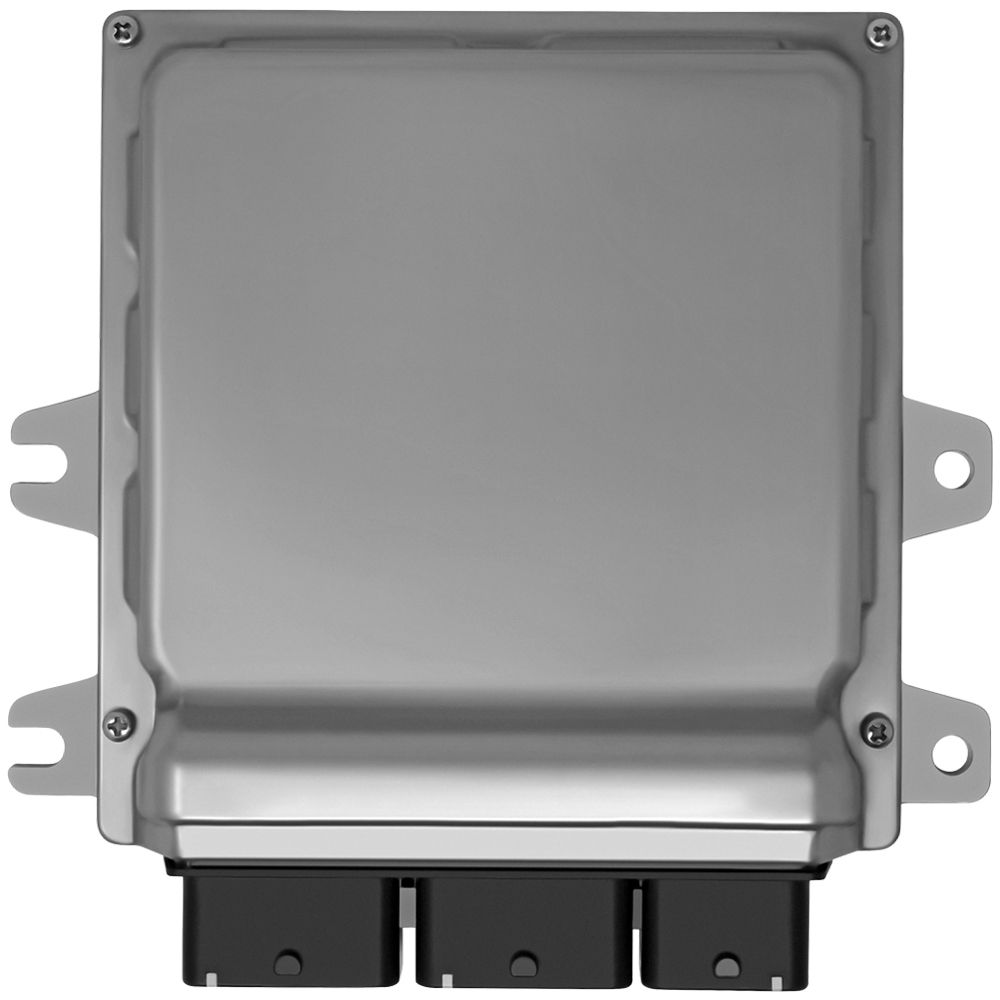
Flagship One stocks a refurbished, VIN-programmed PCM for the 2015 Infiniti Q50 Hybrid with a lifetime warranty, free shipping and no core charge. The full Infiniti Q50 Hybrid module lineup covers other engine configurations as well.
The 2015 Infiniti Q50 Hybrid relies on healthy PCM and ECM units for smooth hybrid operation. Whether you repair or replace, ensuring proper installation and programming will keep the vehicle running reliably. Contact a qualified technician to assess your specific situation.