
Last updated on August 25th, 2026 at 01:31 pm
In the 2015 Ford Taurus, the powertrain control module (PCM) and engine control module (ECM) manage engine timing, fuel delivery, and transmission shift points. A malfunction typically results from internal circuit failure, causing loss of communication and erratic engine behavior.
When a 2015 Ford Taurus begins to exhibit intermittent power loss, rough idle, or a complete no‑start condition, the heart of its power‑train management may be at fault. Understanding how the PCM and ECM operate, what the factory expects after a swap, and how a properly programmed replacement can save time is essential for any owner or technician. This guide walks you through the module’s role, typical labor requirements, the necessary post‑install procedures, and practical steps to keep the electronics healthy, so you can make an informed decision about repair or replacement.
The powertrain control module in a 2015 Ford Taurus acts as the central computer that coordinates engine and transmission functions, while the engine control module focuses on combustion timing and emissions. Together they monitor sensor inputs, adjust fuel injection, and control shift logic to meet performance and efficiency targets. Because the vehicle relies on precise data exchange, any loss of communication can trigger a shutdown or limp‑mode operation. The module’s health directly influences drivability, fuel economy, and emissions compliance. Proper operation is critical, and a fault often manifests as diagnostic trouble codes or loss of power. For owners seeking a new unit, consider replacement powertrain control modules for the 2015 Ford Taurus as a direct fit.
2015 Ford Taurus
OEM programmed ECM for your 2015 Ford Taurus — plug & play, no dealer visit.
Free shipping · Lifetime warranty
Both the PCM and ECM are mounted within the engine compartment of the 2015 Ford Taurus, typically secured to the firewall or a bracket near the intake manifold. Access usually involves disconnecting the battery, removing a few fasteners, and unplugging the harnesses. The labor guide lists 0.9 hours for removing and reinstalling each module, reflecting the time needed to reach the unit, detach connectors, and secure the replacement. After the hardware is in place, the factory procedure calls for a relearn operation—0.5 hours for the PCM and another 0.5 hours for the ECM—to synchronize the new module with the vehicle’s existing sensors and actuators.
| Operation | Configuration | Book Time |
|---|---|---|
| Powertrain Control Module R&R | All configurations | 0.9 hr |
| Powertrain Control Module Relearn | All configurations | 0.5 hr |
| Engine Control Module Relearn | All configurations | 0.5 hr |
| Engine Control Module R&R | All configurations | 0.9 hr |
| Engine Control Module Reset | All configurations | 0.3 hr |
Following a PCM or ECM swap in a 2015 Ford Taurus, the factory service routine requires a specific relearn sequence for each module and a reprogramming of the Passive Anti‑Theft System (PATS). These steps ensure the vehicle’s security system recognizes the new electronics and that the control logic aligns with the engine’s operating parameters. Flagship One provides a VIN-programmed replacement unit that arrives already configured, eliminating the need for separate PATS reprogramming and reducing the overall shop time.
Typical signs of a failing PCM or ECM in a 2015 Ford Taurus include a complete loss of engine start, rough idle, unexpected stalling, and transmission shift irregularities. Drivers may also notice a check‑engine light accompanied by diagnostic codes such as internal PCM/ECM fault code, indicating communication problems within the control module. In some cases, the scan tool may be unable to establish a link, or the vehicle may exhibit reduced power output and fuel‑efficiency drops, all pointing to a possible module malfunction.
The following internal diagnostic codes are commonly reported for the 2015 Ford Taurus when the PCM or ECM experiences faults:
| Code | Meaning | Full Guide |
|---|---|---|
| P0606 | Module processor failure | Full P0606 guide → |
The PCM is accessible but requires proper safety steps, including battery disconnect and connector handling. While a skilled DIYer may perform the swap, the relearn and PATS programming typically need specialized equipment.
P0606 signals an internal fault within the powertrain control module, often meaning the PCM cannot communicate with other vehicle systems. It usually points to a hardware failure that warrants replacement.
The labor guide estimates about 0.9 hours for removal and installation, plus an additional 0.5 hours for the required relearn procedure.
The modules operate independently, so only the defective unit needs replacement unless diagnostic testing shows both are compromised.
Flagship One units arrive pre‑programmed, which removes the need for PATS reprogramming, but the vehicle still requires the standard PCM and ECM relearn procedures after installation.
When the 2015 Ford Taurus experiences control‑module failure, you can choose a repaired unit or a new, VIN‑programmed replacement. Both options restore functionality, but a fresh unit eliminates any lingering wear and often simplifies the post‑install process. Evaluate the condition of the existing module, consider labor time, and decide which path aligns with your vehicle’s needs and your service schedule.
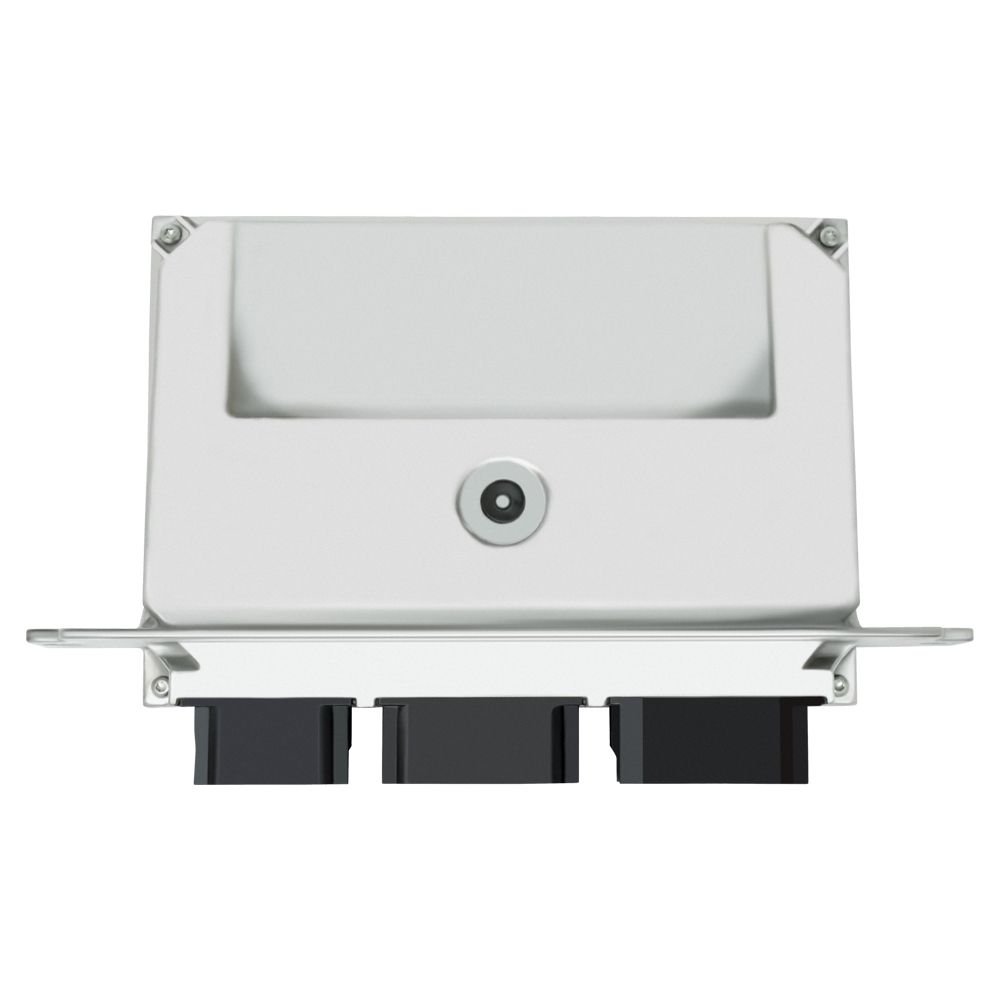
Flagship One stocks a refurbished, VIN-programmed PCM for the 2015 Ford Taurus with a lifetime warranty, free shipping and no core charge. The full Ford Taurus module lineup covers other engine configurations as well.
If your 2015 Ford Taurus shows PCM or ECM symptoms, addressing the issue promptly can restore reliable performance. Whether you opt for a refurbished part or a Flagship One VIN‑programmed replacement, proper installation and relearn steps are essential. Contact a qualified technician to assess the best solution for your vehicle.