
Last updated on August 25th, 2026 at 02:33 pm
The Engine Control Module (ECM) in your 2015 Cadillac XTS manages fuel injection, ignition timing, and emissions systems. Failures may cause erratic engine behavior, no-start conditions, or stored trouble codes related to internal processor faults.
If your 2015 Cadillac XTS 3.6L is experiencing unexplained stalling, rough idle, or a no-start condition, the Engine Control Module (ECM) may be the culprit. This compact computer oversees fuel delivery, spark timing, and emissions systems, ensuring smooth operation. When it fails, symptoms can range from subtle performance issues to complete engine shutdown. Replacing the ECM involves careful handling to avoid damaging connectors and requires a post-installation relearn procedure. Understanding the process helps you make informed decisions about repairs, whether you’re tackling the job yourself or working with a shop.
The Engine Control Module in your 2015 Cadillac XTS acts as the brain of the engine, interpreting data from sensors to optimize performance and efficiency. It adjusts fuel mixture, ignition timing, and idle speed in real time, ensuring compliance with emissions standards. A malfunctioning ECM may disrupt these functions, leading to poor drivability or even preventing the engine from starting. When replacement becomes necessary, replacement engine computers for the Cadillac XTS are designed to restore factory-level operation. The module’s role is critical, as it directly influences how the engine responds to your inputs and driving conditions.
The ECM in the 2015 Cadillac XTS is mounted on the engine’s passenger side, near the firewall. Accessing it requires removing the engine cover and disconnecting the battery to prevent electrical damage. The replacement process typically involves unplugging the wiring harness, removing the mounting bolts, and installing the new unit. Labor time for this procedure is listed at 0.8 hours for the naturally aspirated 3.6L engine. After installation, the ignition must remain off while connecting or disconnecting ECM connectors to avoid damaging sensitive components. No specialized torque specifications are required for the mounting bolts, but ensure all connections are secure.
Work with the ignition off, and treat the module as static-sensitive: avoid touching the connector pins at any point.
| Operation | Configuration | Book Time |
|---|---|---|
| Powertrain Control Module R&R | All configurations | 1.3 hr |
| Powertrain Control Module Relearn | All configurations | 0.5 hr |
| Engine Control Module R&R | Naturally Aspirated | 0.8 hr |
| Engine Control Module R&R | Turbocharged | 1.9 hr |
| Engine Control Module Relearn | All configurations | 0.5 hr |
| Engine Control Module Reset | All configurations | 0.3 hr |
2015 Cadillac XTS 3.6L
OEM programmed ECM for your 2015 Cadillac XTS 3.6L — plug & play, no dealer visit.
Free shipping · Lifetime warranty
After installing a new ECM in your 2015 Cadillac XTS, the factory procedure requires a relearn process, which takes 0.5 hours. This step ensures the module synchronizes with the vehicle’s sensors and systems. Additionally, reprogramming may prompt the technician to enter the engine identification number. However, a VIN-programmed replacement unit from Flagship One arrives ready to install, eliminating the need for these steps. The support tool EL-49642 is used for factory reprogramming if required, but pre-programmed units simplify the process significantly.
A failing ECM in the 2015 Cadillac XTS may cause a range of symptoms, including intermittent stalling, rough idle, or a complete no-start condition. You might also notice poor throttle response, reduced fuel efficiency, or the check engine light illuminating. In some cases, the vehicle may enter a limp-home mode, limiting power to prevent further damage. Common trouble codes associated with ECM failures include internal control module memory checksum error, which indicates a fault in the module’s memory. Other codes like P0602 or P0603 may also appear, signaling calibration or processor issues.
The 2015 Cadillac XTS 3.6L ECM may store specific trouble codes when internal faults occur. These codes help diagnose issues related to the module’s memory, processor, or communication systems. Below are the documented codes for this vehicle.
Service bulletin PIP5597 notes that during ECM programming, technicians may be prompted to input the engine identification number. This step ensures the module is correctly configured for your 2015 Cadillac XTS. The bulletin applies to certain ECM programming procedures and highlights the importance of following the factory process to avoid calibration errors.
| Bulletin | Subject | What It Addresses |
|---|---|---|
| — | Engine identification Number Requested When Programming ECM – (Oct 8, 2018) | During the programming of some ECM’s, the technician may be prompted to input the engine identification |
Common signs include stalling, rough idle, or a no-start condition. The check engine light may illuminate with codes like P0601 or P0603. A scan tool can confirm if the issue stems from the ECM or another component.
Replacement is possible if you have basic mechanical skills and the right tools. However, the process requires careful handling of connectors and a post-installation relearn procedure. Professional installation ensures proper calibration.
The relearn procedure allows the new ECM to synchronize with the vehicle’s sensors and systems. This step ensures optimal performance and prevents drivability issues. Factory procedures specify a 0.5-hour labor time for this process.
If your 2015 Cadillac XTS is experiencing ECM-related issues, you have options. A repair shop can diagnose and replace the module, including the required relearn procedure. Alternatively, a pre-programmed replacement unit simplifies the process, reducing downtime and ensuring compatibility with your vehicle’s systems.
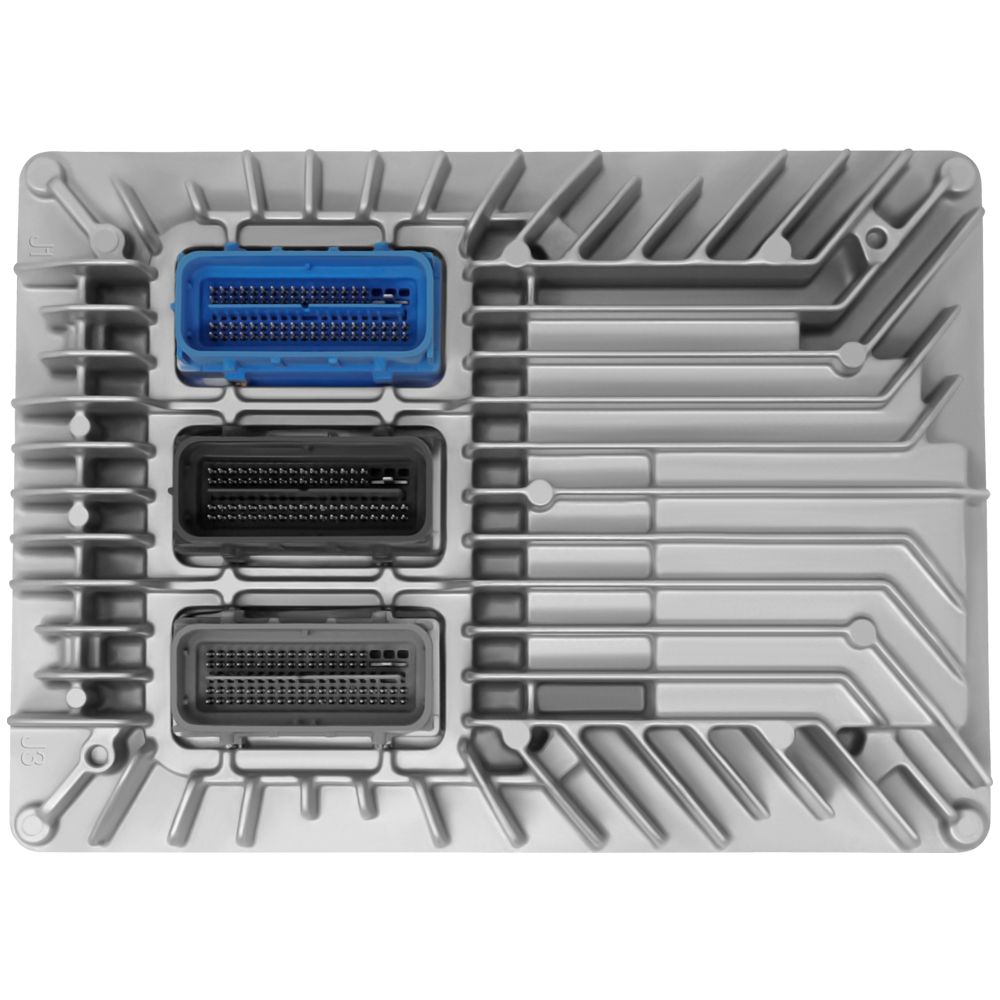
Flagship One stocks a refurbished, VIN-programmed PCM for the 2015 Cadillac XTS with a lifetime warranty, free shipping and no core charge. The full Cadillac XTS module lineup covers other engine configurations as well.
The ECM in your 2015 Cadillac XTS plays a vital role in engine performance and reliability. Recognizing symptoms early and understanding the replacement process can save time and frustration. Whether you opt for professional installation or a pre-programmed unit, restoring your vehicle’s functionality is the priority.