
Last updated on August 25th, 2026 at 02:22 pm
In the 2014 Chevrolet Spark, the Engine Control Module (ECM) and Powertrain Control Module (PCM) manage fuel delivery, ignition timing, and transmission shifting. Failure of either unit may trigger internal fault codes and result in loss of driveability, stalling, or an inability to start the vehicle.
When a 2014 Chevrolet Spark begins to exhibit intermittent power loss, unexpected stalls, or transmission irregularities, the electronic control modules are often the culprits. This guide explains what the ECM and PCM do, where they live, how they are replaced, and what steps follow the install. By the end, you will understand the labor involved, the programming requirements, and how to recognize the most common symptoms.
The ECM in a 2014 Chevrolet Spark interprets sensor data to control fuel injection, ignition timing, and emissions, while the PCM extends that oversight to the transmission. Together they keep the engine running smoothly and the gearbox shifting correctly. Proper operation is essential for fuel efficiency and emissions compliance. A typical failure may trigger internal diagnostic codes and cause a no‑start condition. Replacement modules such as Spark engine computers are designed to match the vehicle’s software architecture.
Both the ECM and PCM are mounted in the engine compartment and are accessed by disconnecting the battery, removing a few fasteners, and pulling the unit toward the firewall. The factory book time lists 0.8 hours for removal and installation of each module. After the unit is secured, a 0.5‑hour relearn procedure is required to synchronize the new computer with the vehicle’s existing sensors and actuators.
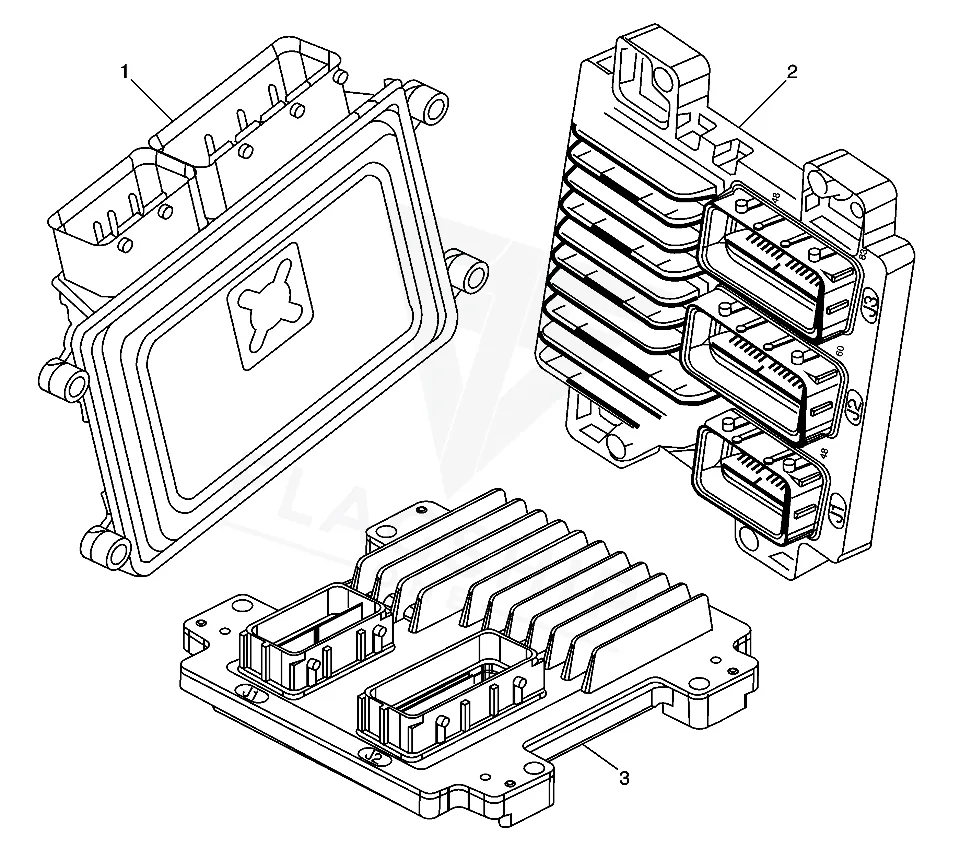
Work with the ignition off, and treat the module as static-sensitive: avoid touching the connector pins at any point.
| Operation | Configuration | Book Time |
|---|---|---|
| Engine Control Module R&R | All configurations | 0.8 hr |
| Engine Control Module Relearn | All configurations | 0.5 hr |
| Powertrain Control Module R&R | All configurations | 0.8 hr |
| Powertrain Control Module Relearn | All configurations | 0.5 hr |
2014 Chevrolet Spark
OEM programmed ECM for your 2014 Chevrolet Spark — plug & play, no dealer visit.
Free shipping · Lifetime warranty
Factory reprogramming of the Spark’s control modules calls for calibrated equipment, the correct software version, and a verification of the vehicle’s calibration data. Flagship One provides a VIN-programmed replacement unit that arrives pre‑loaded, eliminating the need for on‑site programming and ensuring the module is ready for immediate installation.
Typical signs of a failing ECM or PCM in a 2014 Chevrolet Spark include engine cranking without start, rough idle, loss of power, and transmission shift delays. Diagnostic scans often reveal internal fault codes such as internal control error which point directly to the control module’s inability to communicate with other vehicle systems.
The following internal fault codes have been documented for the 2014 Chevrolet Spark’s control modules:
Service bulletin #PI1039, dated August 23 2013, provides identification and location details for both the Transmission Control Module and the Engine Control Module in this vehicle.
| Bulletin | Subject | What It Addresses |
|---|---|---|
| — | Identification and Location of the Transmission Control Module (TCM) and the Engine Control Mod | — |
The removal and installation are straightforward, but the required relearn steps and programming make professional assistance advisable for most owners.
It signals an internal control module error, often meaning the ECM or PCM cannot process sensor inputs correctly.
A VIN‑programmed unit arrives with the correct software, but the vehicle still requires the standard relearn procedure to sync with existing hardware.
When the ECM or PCM fails in a 2014 Chevrolet Spark, you can choose a brand‑new factory‑spec unit or a refurbished Flagship One replacement. Both options restore the vehicle’s electronic control functions, but the refurbished choice includes pre‑programmed calibration, reducing shop time.
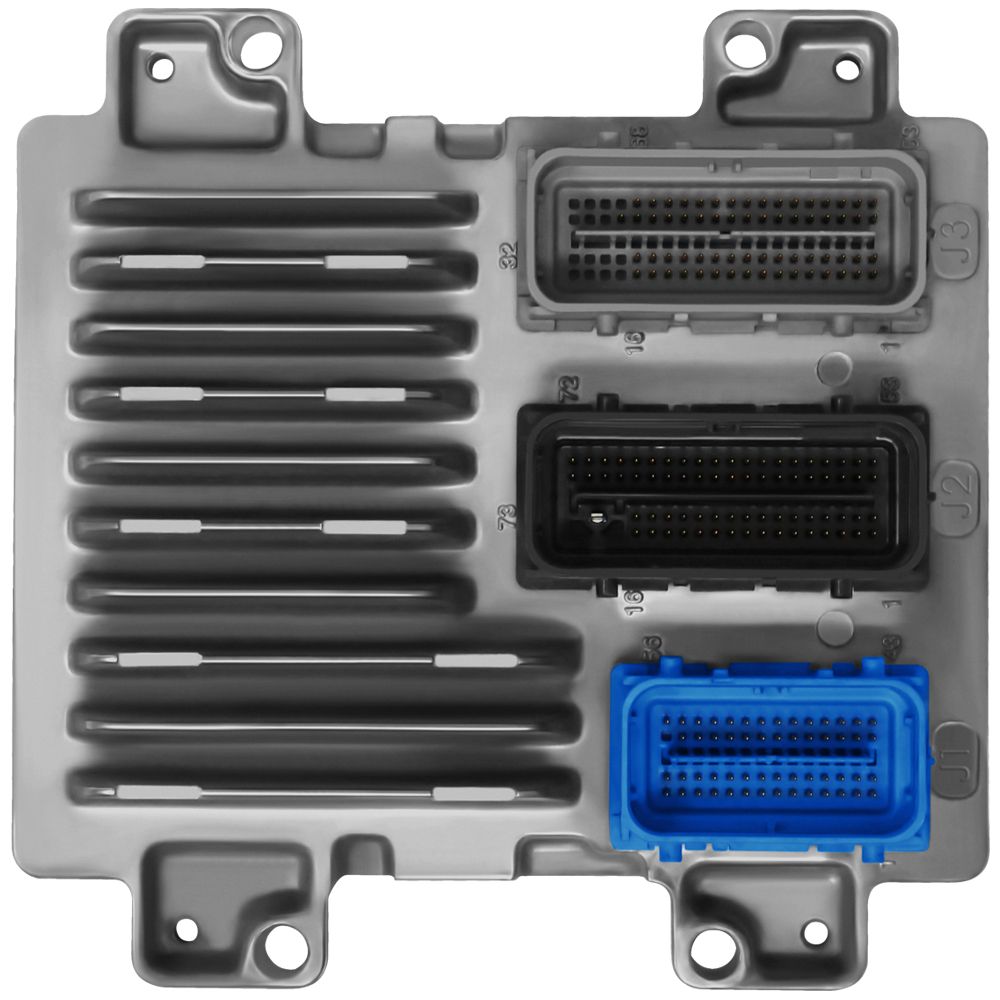
Flagship One stocks a refurbished, VIN-programmed PCM for the 2014 Chevrolet Spark with a lifetime warranty, free shipping and no core charge. The full Chevrolet Spark module lineup covers other engine configurations as well.
Replacing the control modules in your 2014 Chevrolet Spark can return reliable performance and clear fault codes. Consider your repair options and ensure the proper post‑install steps are followed for lasting results.