
Last updated on August 25th, 2026 at 12:20 pm
In the 2013 Nissan Altima 2.5L, the Powertrain Control Module orchestrates engine and transmission functions. A failure disrupts communication between sensors and actuators, leading to performance issues or stalling.
When a 2013 Nissan Altima 2.5L shows signs of poor engine performance, such as rough idling or hesitation, a hidden issue inside the Powertrain Control Module (PCM) might be at fault. This guide explains what the PCM does in your vehicle, why it matters, and how to replace it safely. By following the steps outlined, you can restore reliable power delivery and reduce the risk of future failures. You’ll learn the location of the module, the labor involved, and the key points that keep your Altima running smoothly.
In the 2013 Nissan Altima 2.5L, the PCM is the central nervous system that manages engine combustion timing, fuel injection, and transmission shift logic. It reads data from sensors, calculates optimal operating parameters, and sends commands to actuators. A fault in this module can cause a cascade of problems, from engine misfires to transmission slipping. Because the PCM works hand‑in‑hand with the Engine Control Module (ECM), a failure can also affect engine performance and emissions. replacement powertrain control module for the 2013 Nissan Altima ensures that you can source a compatible unit. Understanding the PCM’s role helps you recognize warning signs and appreciate the importance of precise installation.
Engine computer (ECM/PCM)
OEM programmed replacements — plug & play, no dealer visit.
Find yours by year, make & model →
Free shipping · Lifetime warranty
The Powertrain Control Module sits beneath the steering column, adjacent to the fuse box. To replace it, first disconnect the battery, then remove the lower dash panels to access the module. The job requires about 1.4 hours of labor. While the PCM is removed, the Engine Control Module, located near the PCM, is taken out for 0.7 hours. After the new PCM is seated, the ECM is reinstalled and reconnected. Finally, the battery is reconnected and the vehicle is ready for testing.
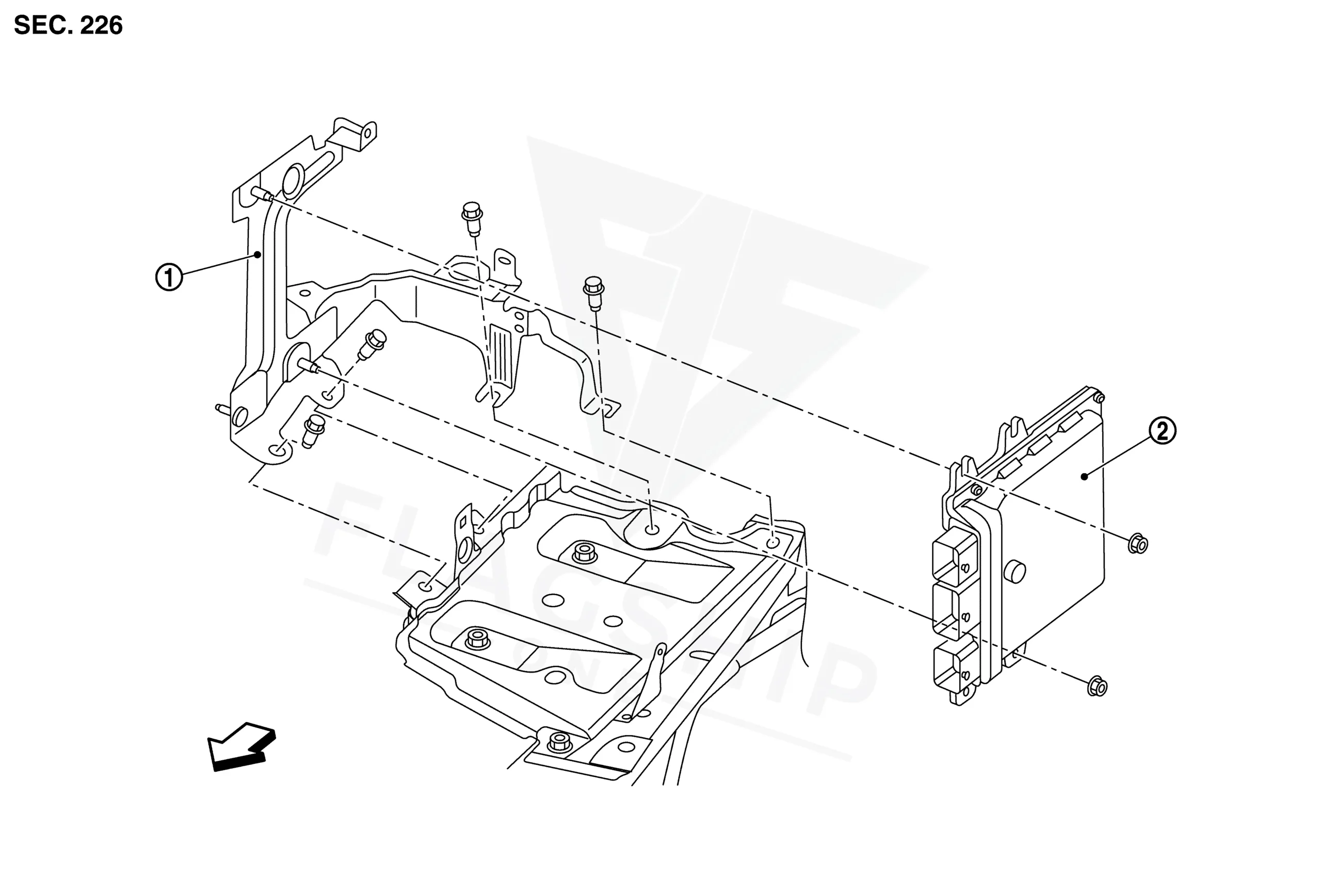
Work with the ignition off, and treat the module as static-sensitive: avoid touching the connector pins at any point.
| Operation | Configuration | Book Time |
|---|---|---|
| Powertrain Control Module R&R | All configurations | 1.4 hr |
| Engine Control Module R&R | All configurations | 0.7 hr |
| Engine Control Module Relearn | All configurations | 0.5 hr |
Once the new PCM is installed, the factory procedure normally requires a programming step to match the vehicle’s VIN and calibrate sensor parameters. Flagship One units arrive already VIN‑programmed, so this step is unnecessary. The replacement unit will communicate immediately with the vehicle’s network, saving you the time and cost of a separate programming session. VIN-programmed replacement unit ensures that the PCM is fully ready to work with your 2013 Nissan Altima 2.5L.
A failing Powertrain Control Module in the 2013 Nissan Altima 2.5L may cause the engine to hesitate, stall, or misfire during acceleration. You might notice a loss of power or an inability to start the vehicle. The PCM’s communication with the rest of the system can become unreliable, leading to a dead scan‑tool interface. When the module is compromised, the engine may run rough or exhibit irregular idle. PCM/ECM communication error is a common trouble code that points to this internal fault.
The codes below point to the PCM itself rather than to a sensor or circuit it monitors. Each one links through to its full diagnostic guide.
| Code | Meaning | Full Guide |
|---|---|---|
| P0605 | Internal ROM error | Full P0605 guide → |
Typical symptoms include engine hesitation, stalling, or a loss of power. You may also see a code such as P0605 indicating communication errors within the powertrain control system.
The labor estimate for the PCM is about 1.4 hours. The ECM, which is removed during the process, requires an additional 0.7 hours.
Flagship One’s units come VIN‑programmed, so no separate programming is necessary. The replacement PCM will immediately interface with your vehicle’s network.
If the misfires are caused by a PCM fault, replacing it should resolve the issue. However, other components may also contribute to misfires, so a thorough diagnostic is recommended.
Only modules that are specifically designed for the 2013 Nissan Altima 2.5L will ensure proper fit and functionality. Generic units may not match the vehicle’s electrical architecture.
Choosing between a new PCM and a refurbished replacement depends on your budget and urgency. A fresh unit guarantees factory specifications, while a refurbished one offers a cost‑effective alternative. Both options are compatible with the 2013 Nissan Altima 2.5L and provide reliable performance.
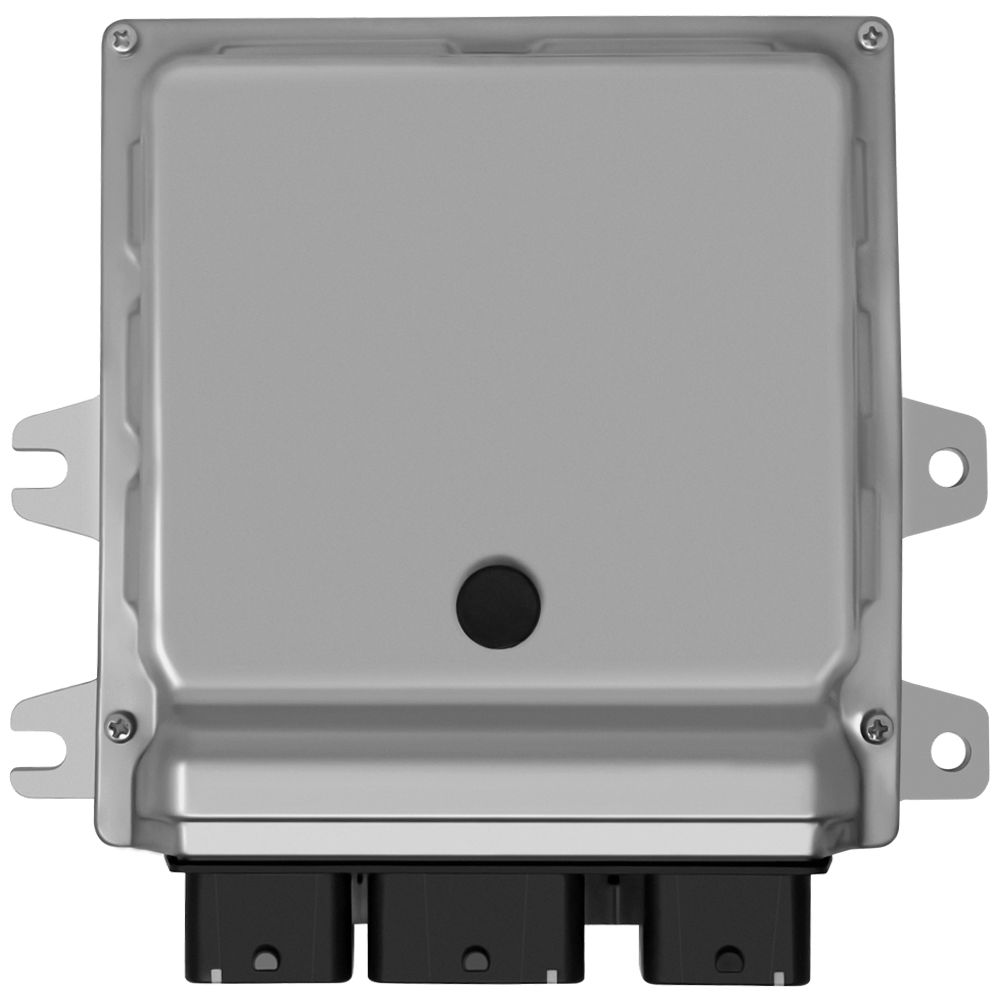
Flagship One stocks a refurbished, VIN-programmed PCM for the 2013 Nissan Altima with a lifetime warranty, free shipping and no core charge. The full Nissan Altima module lineup covers other engine configurations as well.
For your 2013 Nissan Altima 2.5L, a Powertrain Control Module replacement restores smooth engine and transmission operation. Consider a VIN‑programmed unit to simplify the process. Reach out today to discuss the best solution for your vehicle.