
Last updated on August 25th, 2026 at 01:57 pm
In the 2013 Mazda 6 the Powertrain Control Module (PCM) directs engine timing, fuel delivery and transmission shifts. A failure typically disables sensor communication, triggers internal fault codes and can prevent the vehicle from starting or running smoothly.
When a 2013 Mazda 6 begins to exhibit erratic idle, loss of power, or a complete no‑start condition, the PCM may be the culprit. Understanding how this module works, where it lives, and what the factory expects after a swap can help you avoid unnecessary downtime. This guide walks you through the function of the PCM, the practical steps to replace it, the programming requirements, and the warning signs that point to a malfunction. By the end, you’ll know what to expect from a replacement, how long the job typically takes, and how to keep the new unit reliable for the life of your vehicle.
The Powertrain Control Module in the 2013 Mazda 6 acts as the central computer that monitors engine sensors, calculates fuel and spark timing, and controls transmission shift points. It constantly exchanges data with the engine control unit, emission monitors and the vehicle’s communication network to ensure smooth operation and compliance with emissions standards. When the PCM detects abnormal sensor inputs or internal logic errors, it stores diagnostic codes and may limit engine output to protect components. Proper operation is essential for fuel efficiency, performance and emissions compliance. The module also coordinates with the vehicle’s on‑board diagnostics to alert you of issues before they cause damage. Understanding its role helps you see why a failure can manifest as a no‑start, stalling or loss of communication. Replacement units are typically sourced as replacement engine control modules for the 2013 Mazda 6 that match the factory specifications.
2013 Mazda 6
OEM programmed ECM for your 2013 Mazda 6 — plug & play, no dealer visit.
Free shipping · Lifetime warranty
The PCM in the 2013 Mazda 6 is mounted in the engine compartment, usually secured to the firewall near the battery. Access involves disconnecting the negative battery terminal, removing any protective covers, and unplugging the wiring harnesses that feed sensor data to the module. The factory book time for removal and replacement is listed as half an hour, reflecting the straightforward bolt‑on design. After the old unit is taken out, the new module is positioned, bolted in place, and the electrical connectors are reattached. No additional torque specifications are provided, so standard hand‑tightening to secure the unit is typical. Once installed, the vehicle’s diagnostic system will recognize the new PCM, but a relearn step is still required to synchronize sensor baselines.
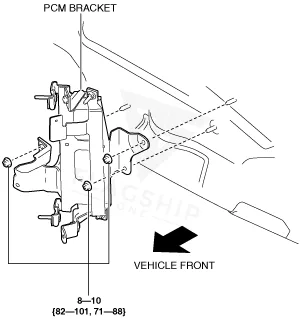
Work with the ignition off, and treat the module as static-sensitive: avoid touching the connector pins at any point.
| Operation | Configuration | Book Time |
|---|---|---|
| Engine Control Module R&R | All configurations | 0.5 hr |
| Engine Control Module Relearn | All configurations | 0.5 hr |
| Powertrain Control Module R&R | All configurations | 0.5 hr |
After installing a new PCM, the factory service procedure calls for a relearn of the module to calibrate sensor baselines, which takes about half an hour. If the vehicle has not been repaired or further diagnostic data is missing, the PCM should be reprogrammed with any later calibration that the manufacturer has released. Flagship One supplies units that are already VIN‑programmed, so the a VIN-programmed replacement unit arrives ready for installation, eliminating the need for separate flashing or calibration steps beyond the standard relearn.
A failing PCM in the 2013 Mazda 6 often reveals itself through a combination of no‑start conditions, rough idle, and loss of transmission shift control. Drivers may notice the check engine light flashing, intermittent stalling at low speeds, or a complete loss of power while accelerating. Diagnostic scans frequently return internal fault codes such as engine control module internal failure, indicating the module’s own self‑test has detected a problem. Other common codes include P0603, P0604, P2544 and communication errors like U0100, U0121 and U0155, which reflect a loss of data exchange between the PCM and other control units. These symptoms typically worsen over time as the module’s ability to process sensor data degrades.
The following internal trouble codes are commonly logged by the PCM in a 2013 Mazda 6 when it experiences a malfunction:
The vehicle may limp or exhibit reduced performance, but a severe PCM fault often results in a no‑start condition because the engine control logic cannot be executed.
Standard hand tools are sufficient for removal and installation; the primary requirement is to disconnect the battery and follow the half‑hour labor guideline.
Yes, the factory procedure specifies a relearn process of about 0.5 hour to synchronize sensor baselines and ensure proper operation.
U0100 signals a loss of communication with the PCM, which can be caused by a faulty module, damaged wiring, or a poor connector.
If the manufacturer has released an updated calibration, reprogramming the PCM with it may address known issues and improve long‑term stability.
When a PCM fails in a 2013 Mazda 6, you can choose a brand‑new factory‑spec unit or a refurbished replacement that meets the same performance standards. Both options require the same removal and installation steps, but a refurbished unit from Flagship One arrives pre‑programmed to your VIN, reducing the post‑install workload. Evaluate the condition of your vehicle and your service schedule to decide which path best fits your needs.
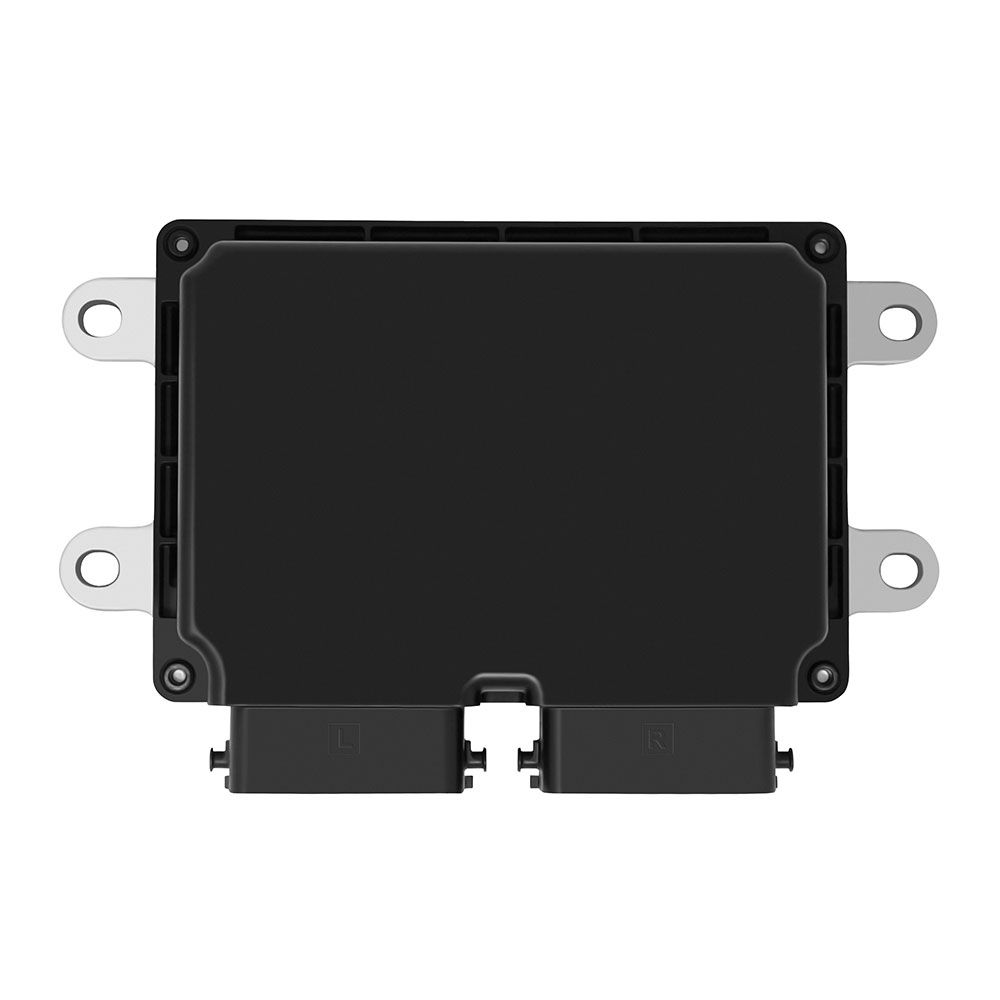
Flagship One stocks a refurbished, VIN-programmed PCM for the 2013 Mazda 6 with a lifetime warranty, free shipping and no core charge. The full Mazda 6 module lineup covers other engine configurations as well.
The 2013 Mazda 6 relies on a correctly functioning PCM to manage engine and transmission functions. Replacing a faulty module and completing the required relearn can restore reliability and performance. Consider a VIN‑programmed replacement to streamline the process and keep your vehicle on the road.