
Last updated on August 25th, 2026 at 12:17 pm
The Powertrain Control Module (PCM) in your 2013 Chrysler 300 manages engine performance, transmission behavior, and emissions systems. A faulty PCM may cause erratic shifting, poor fuel economy, or even a no-start condition, often triggered by internal memory corruption or voltage irregularities.
If your 2013 Chrysler 300 has been acting unpredictably—stalling at stops, hesitating under acceleration, or refusing to start—you may be dealing with a failing Powertrain Control Module (PCM). This critical component acts as the brain of your vehicle’s engine and transmission, interpreting sensor data to optimize performance, fuel efficiency, and emissions. When it malfunctions, the symptoms can range from subtle drivability quirks to complete immobilization. Understanding what the PCM does, where it’s located, and what replacement entails can help you make informed decisions, whether you’re troubleshooting an intermittent issue or preparing for a repair. With the right replacement unit, you can avoid the extra steps of factory programming and get your Chrysler 300 back on the road with minimal downtime.
The Powertrain Control Module in your 2013 Chrysler 300 serves as the central processing unit for both the engine and transmission. It continuously monitors inputs from sensors—like the throttle position, oxygen levels, and crankshaft speed—to adjust fuel delivery, ignition timing, and shift points in real time. This coordination ensures smooth acceleration, optimal fuel economy, and compliance with emissions standards. When the PCM fails, it may send incorrect signals to the engine or transmission, leading to poor performance, increased fuel consumption, or even a vehicle that won’t start. Replacement engine control modules for the Chrysler 300 are designed to restore these functions, but proper installation and programming are critical to avoid recurring issues. Without a functioning PCM, your vehicle’s systems can’t communicate effectively, leaving you stranded or facing costly repairs down the line.
2013 Chrysler 300
OEM programmed ECM for your 2013 Chrysler 300 — plug & play, no dealer visit.
Free shipping · Lifetime warranty
In the 2013 Chrysler 300, the Powertrain Control Module is mounted in the engine compartment, typically near the firewall or strut tower. Accessing it involves disconnecting the battery, removing the air intake assembly or other minor components, and unplugging the wiring harness. The module itself is secured with bolts, which must be carefully removed to avoid damaging the housing. Reinstallation follows the reverse process, with attention to ensuring all connectors are fully seated and free of corrosion. Labor estimates for removal and replacement (R&R) are approximately 0.6 hours, while the relearn procedure may add another 0.5 hours if required. Torque specifications for the mounting bolts are critical to prevent module movement or electrical faults, though specific values aren’t always published.
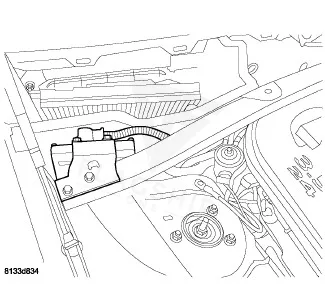
Work with the ignition off, and treat the module as static-sensitive: avoid touching the connector pins at any point.
| Operation | Configuration | Book Time |
|---|---|---|
| Powertrain Control Module Relearn | All configurations | 0.5 hr |
| Powertrain Control Module R&R | All configurations | 0.6 hr |
| Engine Control Module Relearn | All configurations | 0.5 hr |
| Engine Control Module Reset | All configurations | 0.3 hr |
| Engine Control Module R&R | All configurations | 0.6 hr |
After replacing the Powertrain Control Module in a 2013 Chrysler 300, the factory procedure requires a relearn process to synchronize the new module with the vehicle’s existing systems. This typically involves using a scan tool to reset adaptive values, clear fault codes, and recalibrate the engine and transmission parameters. The process can take up to 0.5 hours and may require a road test to complete. However, when you install a VIN-programmed replacement unit, these steps are already completed at the supplier, eliminating the need for additional programming. This not only saves time but also reduces the risk of errors during the relearn process, ensuring your Chrysler 300 operates as intended from the moment the new module is installed.
A failing Powertrain Control Module in your 2013 Chrysler 300 can manifest in several ways, often mimicking other mechanical or electrical issues. One of the most common signs is a no-start condition, where the engine cranks but fails to fire, as the PCM may not send the correct signals to the fuel injectors or ignition coils. Stalling or rough idling, particularly when the engine is warm, is another frequent symptom, often accompanied by hesitation or surging during acceleration. Transmission shifting may also become erratic, with delayed or harsh gear changes, as the PCM controls shift points and torque converter lockup. Onboard diagnostics may trigger an internal control module memory check error, indicating corruption within the module’s software or hardware. Other potential symptoms include poor fuel economy, illuminated warning lights (such as the check engine or transmission light), or even a complete loss of communication with a scan tool. If you experience any of these issues, it’s worth having the PCM inspected, as ignoring them may lead to further drivability problems or even damage to other components.
The 2013 Chrysler 300’s Powertrain Control Module may generate specific trouble codes when internal faults are detected. These codes help pinpoint issues within the module itself, rather than external sensors or actuators. Below is the documented code for this vehicle.
| Code | Meaning | Full Guide |
|---|---|---|
| P0601 | Internal memory checksum error | Full P0601 guide → |
Chrysler issued service bulletin #08-014-13 for the 2013 Chrysler 300, addressing an approach lamp modification. While this bulletin doesn’t directly relate to the Powertrain Control Module, it’s important to be aware of all factory updates when diagnosing or repairing your vehicle. Service bulletins often include software updates or hardware adjustments that can impact overall performance, so checking for applicable bulletins during any major service is a good practice.
| Bulletin | Subject | What It Addresses |
|---|---|---|
| 08-014-13 | 08-014-13 Flash: Approach Lamp Modification | — |
Stalling at stops can be caused by a faulty Powertrain Control Module, particularly if the module isn’t sending the correct idle air control signals. Other potential causes include a dirty throttle body or vacuum leaks, but if the PCM is failing, it may not compensate for these issues properly. A diagnostic scan can help determine if the PCM is the root cause.
While your vehicle may still run with a P0601 code, it’s not advisable to ignore it. This code indicates an internal memory error in the PCM, which can lead to unpredictable behavior, such as stalling, poor fuel economy, or even a no-start condition. Driving with this issue may also cause further damage to the module or other components.
Common signs include a no-start condition, stalling, rough idling, or transmission shifting issues. If a diagnostic scan reveals a P0601 code or other module-related faults, and no other issues are found, the PCM may need replacement. A professional inspection can confirm whether the module is the source of the problem.
Replacing the PCM in your 2013 Chrysler 300 is a straightforward process for a professional technician, typically taking less than an hour. The module is located in the engine compartment, and access requires removing minor components like the air intake assembly. However, proper programming is essential to ensure the new module functions correctly.
If the PCM isn’t reprogrammed after replacement, your 2013 Chrysler 300 may experience drivability issues, such as poor acceleration, erratic shifting, or even a failure to start. The factory relearn process ensures the new module communicates properly with the engine and transmission. Using a pre-programmed replacement eliminates this step and reduces the risk of errors.
If your 2013 Chrysler 300 is experiencing symptoms of a failing PCM, you have options beyond a costly dealership visit. A refurbished or remanufactured replacement module can restore functionality without the need for factory programming, saving you time and money. Whether you’re dealing with a no-start condition, stalling, or transmission issues, a properly matched PCM can get your vehicle back to reliable performance. Consider your repair options carefully to ensure a smooth and lasting fix.
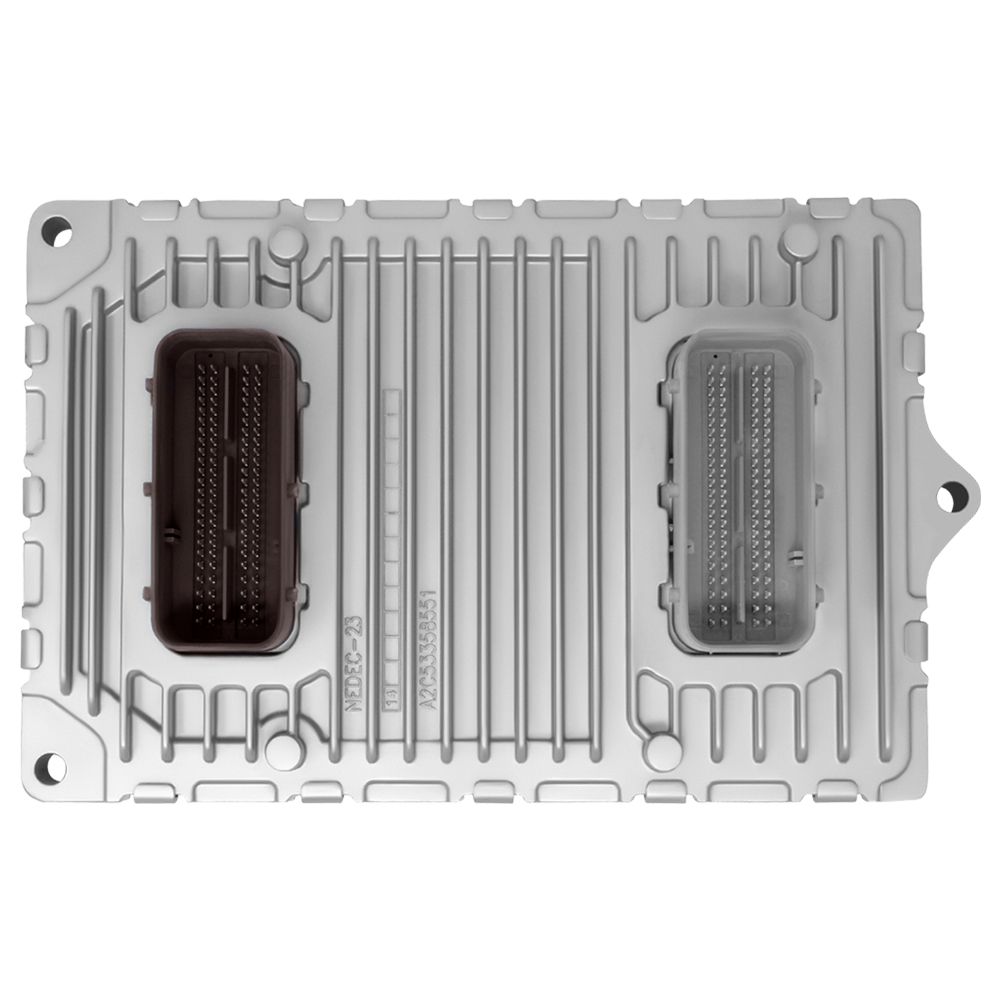
Flagship One stocks a refurbished, VIN-programmed PCM for the 2013 Chrysler 300 with a lifetime warranty, free shipping and no core charge. The full Chrysler 300 module lineup covers other engine configurations as well.
The Powertrain Control Module is a vital component in your 2013 Chrysler 300, overseeing engine and transmission functions to keep your vehicle running smoothly. If you’re facing drivability issues, stalling, or warning lights, the PCM may be the culprit. Replacing it with a pre-programmed unit can simplify the process and get you back on the road faster. Don’t ignore the signs—addressing PCM problems promptly can prevent further complications and keep your Chrysler 300 performing as it should.