
Last updated on August 25th, 2026 at 02:19 pm
The Engine Control Module (ECM) in your 2013 Cadillac Escalade manages fuel delivery, ignition timing, and emissions systems. Failure may cause stalling, poor performance, or a complete no-start condition, often triggered by electrical issues or internal faults.
If your 2013 Cadillac Escalade has been stalling, refusing to start, or displaying warning lights, the Engine Control Module (ECM) may be the culprit. This small but critical computer oversees everything from fuel injection to ignition timing, ensuring smooth operation. When it fails, symptoms can range from subtle performance issues to a complete breakdown. Replacing the ECM isn’t just about swapping a part—it involves careful handling, precise programming, and adherence to factory procedures to avoid further complications. Understanding the process helps you make informed decisions, whether you’re diagnosing the issue or preparing for a repair. With the right approach, you can restore your Escalade’s reliability without unnecessary setbacks.
The Engine Control Module (ECM) in your 2013 Cadillac Escalade acts as the brain of the engine, continuously monitoring and adjusting critical systems. It processes data from sensors to optimize fuel delivery, ignition timing, and emissions control, ensuring the 6.2L V8 runs efficiently. Without a functioning ECM, your vehicle may struggle to start, idle roughly, or even stall unexpectedly. This module also communicates with other onboard computers, making it essential for overall drivability. When replacement becomes necessary, replacement engine computers for the Escalade must match the original specifications to avoid compatibility issues. A faulty ECM can disrupt multiple systems, so prompt attention is key to maintaining performance and avoiding further damage.
The ECM in the 2013 Cadillac Escalade is typically located near the engine bay, often mounted on the firewall or inner fender for protection. Replacing it involves disconnecting the battery, removing the electrical connectors, and unbolting the module from its mount. Labor time for removal and reinstallation is quoted at 1.4 hours. After installation, a relearn procedure is required, which adds another 0.5 hours to the process. Technicians must also capture ECM data using a scan tool before removal to preserve vehicle-specific settings. Proper torque on mounting bolts and secure connector attachment are critical to prevent future issues like fretting corrosion or intermittent electrical faults.
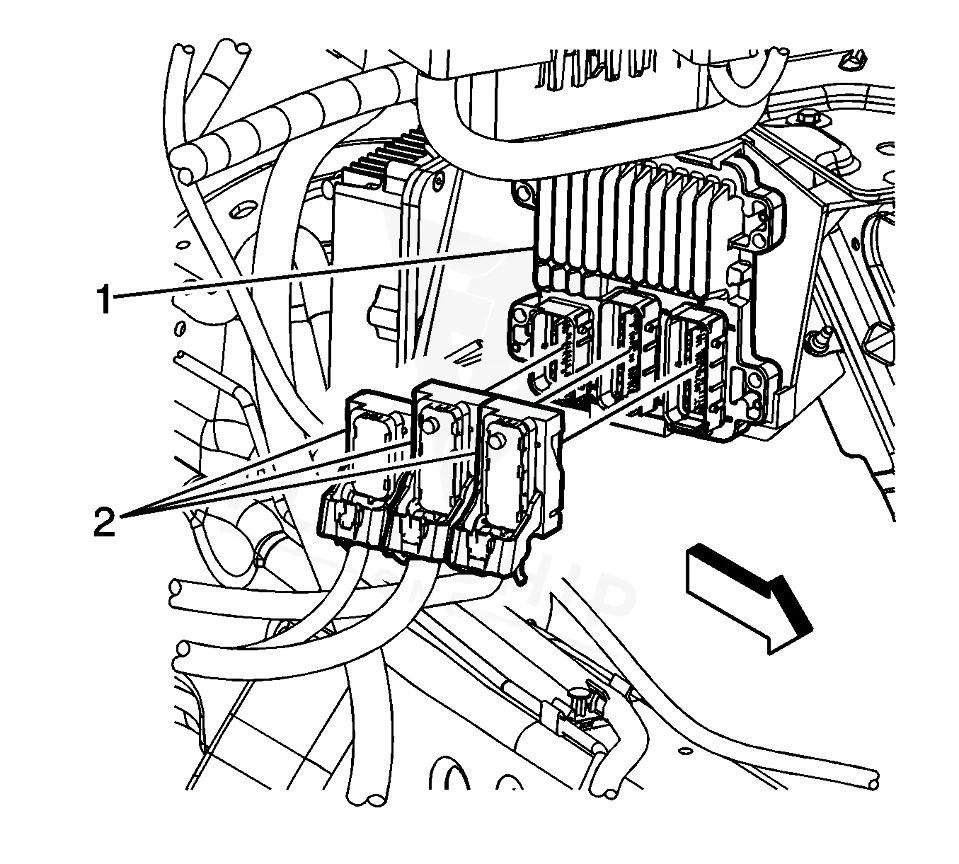
Work with the ignition off, and treat the module as static-sensitive: avoid touching the connector pins at any point.
| Operation | Configuration | Book Time |
|---|---|---|
| Powertrain Control Module R&R | All configurations | 1.4 hr |
| Powertrain Control Module Relearn | All configurations | 0.5 hr |
| Engine Control Module R&R | All configurations | 1.4 hr |
| Engine Control Module Relearn | All configurations | 0.5 hr |
| Engine Control Module Reset | All configurations | 0.3 hr |
2013 Cadillac Escalade
OEM programmed ECM for your 2013 Cadillac Escalade — plug & play, no dealer visit.
Free shipping · Lifetime warranty
After replacing the ECM in your 2013 Cadillac Escalade, the factory requires a relearn procedure to synchronize the module with the vehicle’s systems. This process, which typically takes 0.5 hours, ensures the ECM communicates correctly with the transmission, body control module, and other components. Specialized equipment and the correct calibration files are necessary to complete the programming. However, a VIN-programmed replacement unit from Flagship One arrives pre-configured for your Escalade, eliminating the need for on-site programming. This not only saves time but also reduces the risk of errors during the setup process. Always follow the manufacturer’s guidelines to avoid issues like no-start conditions or communication failures.
A failing ECM in your 2013 Cadillac Escalade may cause a variety of symptoms, often mimicking other issues. Common signs include intermittent no-start conditions, where the engine cranks but refuses to fire. You might also notice warning lights on the dashboard, such as the check engine or service vehicle soon indicators, accompanied by messages like ‘Service Stabilitrak’ or ‘Engine Power Reduced.’ Poor drivability, such as rough idling, stalling, or hesitation under acceleration, can also point to ECM problems. In some cases, the vehicle may enter a limp-home mode, limiting power to prevent damage. Trouble codes like internal control module memory checksum error often appear during diagnostics, signaling potential internal faults. If your scan tool fails to communicate with the ECM, that’s another red flag. Since the ECM interacts with multiple systems, symptoms may overlap with transmission or sensor issues, so thorough diagnostics are essential.
The 2013 Cadillac Escalade’s ECM may set specific internal trouble codes when it detects faults. These codes help pinpoint issues like memory corruption, communication errors, or calibration mismatches. Addressing them promptly can prevent further drivability problems.
Service bulletin #09-06-03-004E addresses intermittent no-crank/no-start conditions, warning lights, and communication errors in the 2013 Cadillac Escalade. These issues are often caused by fretting corrosion in electrical connectors, which disrupts signals between the ECM and other modules. The bulletin recommends disconnecting affected connectors, cleaning them, and applying dielectric lubricant to prevent future corrosion. Technicians may struggle to duplicate the intermittent symptoms, making diagnosis challenging. If your Escalade exhibits these issues, following the bulletin’s repair procedure may resolve the problem without replacing the ECM.
| Bulletin | Subject | What It Addresses |
|---|---|---|
| 09-06-03-004 | Intermittent No Crank/No Start, No Module Communication, MIL, Warning Lights, Vehicle Messages | Some customers may comment on any of the following conditions: An intermittent no crank/no start Intermittent malfunction indicator lamp (MIL) illumination… |
Symptoms like intermittent no-start, warning lights, or poor engine performance may indicate ECM failure. A scan tool can reveal internal trouble codes such as P0601 or P0603, which often point to module issues. If the ECM fails to communicate with the scan tool, replacement may be necessary.
While physically replacing the ECM is straightforward, the process requires capturing data before removal and performing a relearn procedure afterward. Without the proper tools and calibration files, you risk incomplete installation, leading to drivability issues or a no-start condition.
The ECM and other modules are sensitive to voltage fluctuations. Connecting accessories directly to the battery minimizes the risk of electrical interference or damage to the vehicle’s wiring harness, which could disrupt critical signals.
Skipping the relearn procedure may result in poor engine performance, shifting issues, or communication errors with other modules. The ECM must synchronize with the vehicle’s systems to function correctly, so following the factory procedure is essential.
Ignoring ECM-related codes can lead to worsening drivability issues, such as stalling or reduced power. Over time, unresolved faults may cause damage to other components, like the transmission or emissions systems, resulting in costly repairs.
If your 2013 Cadillac Escalade is experiencing ECM-related issues, you have options. A repair may address minor faults, but if the module is beyond recovery, a replacement is the most reliable solution. Opting for a pre-programmed unit ensures compatibility and eliminates the need for on-site programming, saving time and reducing the risk of errors. Whether you choose a new or refurbished ECM, selecting a model-specific unit designed for your Escalade is crucial for long-term performance.
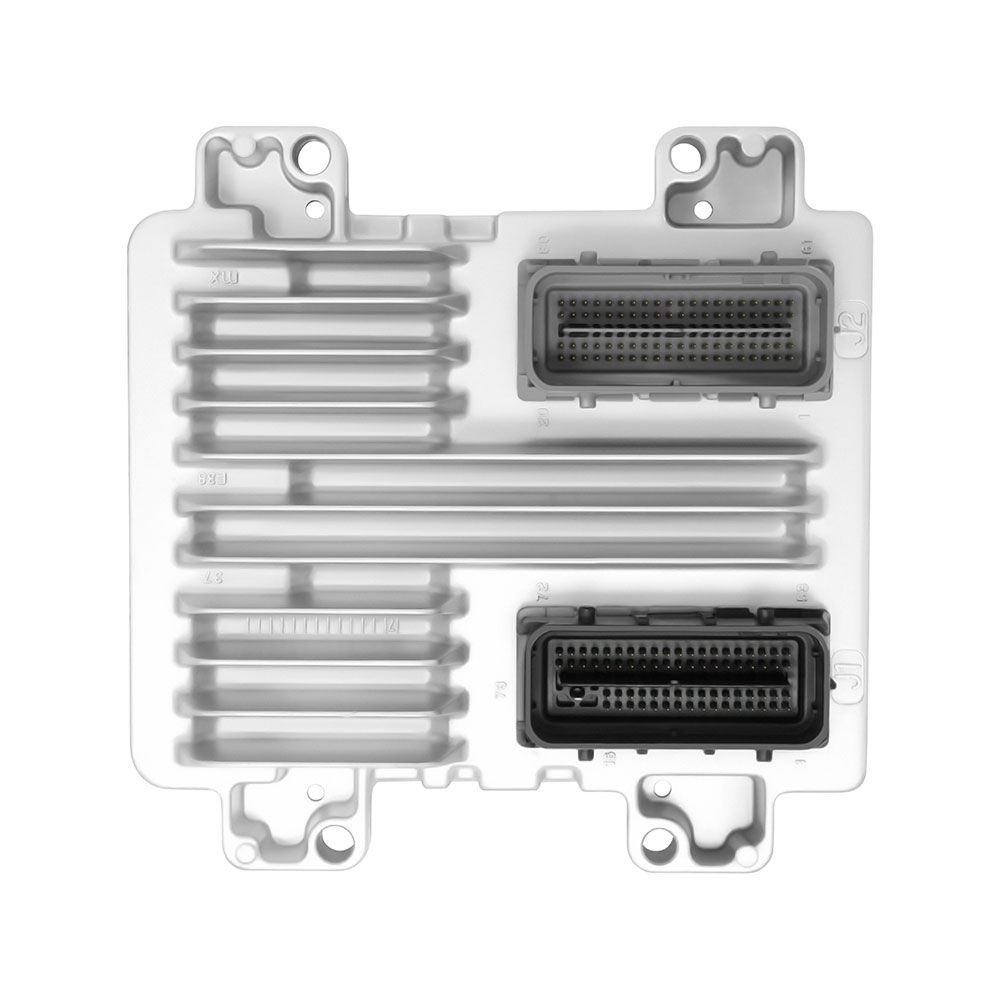
Flagship One stocks a refurbished, VIN-programmed PCM for the 2013 Cadillac Escalade with a lifetime warranty, free shipping and no core charge. The full Cadillac Escalade module lineup covers other engine configurations as well.
The ECM in your 2013 Cadillac Escalade plays a vital role in keeping your vehicle running smoothly. If you’re facing symptoms like no-start conditions, warning lights, or poor performance, addressing the issue promptly can prevent further complications. Whether you opt for a repair or replacement, understanding the process helps you make informed decisions. With the right approach, your Escalade can regain its reliability and performance for years to come.