
Last updated on August 25th, 2026 at 12:14 pm
The Powertrain Control Module in a 2012 Jeep Liberty manages engine and transmission functions, translating sensor data into commands for fuel, ignition, and shift timing. A failure typically results from internal circuit faults or corrupted software, which can trigger loss of driveability, stalling, or a diagnostic trouble code such as P0601.
When a 2012 Jeep Liberty experiences powertrain control issues, the PCM often becomes the focus of repair. You may notice rough idle, unexpected shutdowns, or warning lights, prompting a deeper look at the module that orchestrates engine and transmission operations. This guide explains where the PCM lives, what it does, how to replace it safely, and what factory procedures are required after installation. By the end, you will understand the steps needed to get your vehicle back to reliable performance and why a pre‑programmed replacement from Flagship One can simplify the process.
In the 2012 Jeep Liberty the Powertrain Control Module serves as the central computer that interprets data from dozens of sensors and directs fuel injection, ignition timing, and transmission shift points. It constantly monitors engine speed, load, and emissions parameters, then issues commands to actuators to maintain optimal performance and emissions compliance. Because it controls both engine and transmission, a malfunction can lead to a range of symptoms from no‑start conditions to harsh shifting. Proper operation is essential for fuel efficiency and emissions standards, making the PCM a critical component of the vehicle’s drivetrain. The module is part of the broader family of 2012 Jeep Liberty replacement PCM options available for this model, ensuring that any replacement matches the original specifications.
2012 Jeep Liberty
OEM programmed ECM for your 2012 Jeep Liberty — plug & play, no dealer visit.
Free shipping · Lifetime warranty
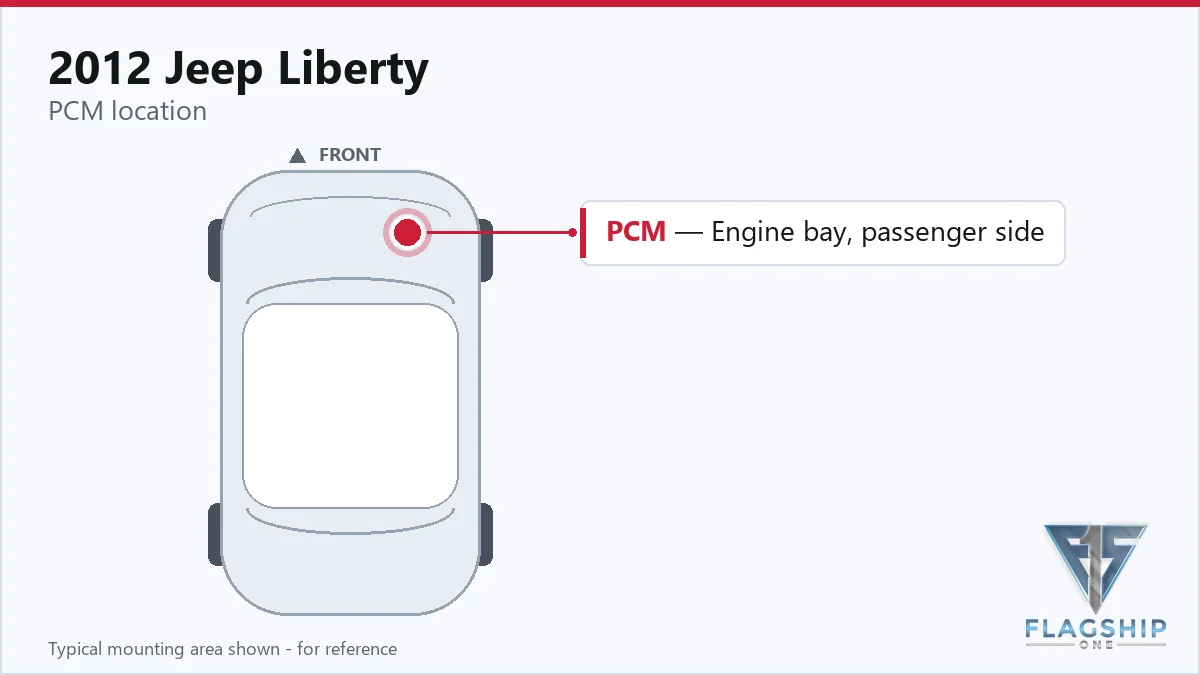
The PCM on a 2012 Jeep Liberty is mounted in the engine compartment, positioned on the left side for left‑hand drive models or on the right side for right‑hand drive versions. Access typically requires removal of a few fasteners and the connector harness before the unit can be pulled out. The labor guide lists half an hour for the relearn procedure and another half an hour for the removal and reinstall steps, reflecting the straightforward nature of the job when the module is reachable without extensive disassembly. No additional torque specifications are provided, so standard hand‑tightening of the mounting bolts is sufficient after the new unit is seated.
Work with the ignition off, and treat the module as static-sensitive: avoid touching the connector pins at any point.
| Operation | Configuration | Book Time |
|---|---|---|
| Engine Control Module Relearn | All configurations | 0.5 hr |
| Engine Control Module R&R | All configurations | 0.5 hr |
| Powertrain Control Module Relearn | All configurations | 0.5 hr |
| Powertrain Control Module R&R | All configurations | 0.5 hr |
After installing a new PCM, the factory procedure calls for a scan tool to load the vehicle’s original identification number and mileage into the module. This step is critical because omitting it will cause a diagnostic trouble code to be set. Flagship One supplies a a VIN-programmed replacement unit that already contains the correct VIN and mileage, so the reprogramming step is completed before the part reaches you. Nevertheless, technicians should verify that the scan tool confirms successful communication and that no residual codes remain after installation.
Typical signs of a failing PCM in a 2012 Jeep Liberty include a complete no‑start condition, intermittent stalling while driving, rough idle, and unexpected transmission shifts. You may also see the check engine light illuminate, often accompanied by stored codes that point to internal control issues. One common fault is internal control circuit error, which indicates a problem with the module’s internal processing. When this code appears, the vehicle may exhibit reduced power or fail to run altogether, prompting a need for diagnostic verification and potential replacement of the PCM.
The following internal trouble codes are documented for the 2012 Jeep Liberty PCM and help pinpoint specific failures within the module:
| Code | Meaning | Full Guide |
|---|---|---|
| P0601 | Internal memory checksum error | Full P0601 guide → |
| P0606 | Module processor failure | Full P0606 guide → |
Common indicators include a persistent check engine light, loss of power, rough idle, stalling, and transmission shift problems, often accompanied by codes such as P0601.
A standard scan tool is required to verify communication after installation, but the physical removal and install follow the half‑hour labor times listed in the service guide.
Yes, Flagship One units arrive with the correct VIN and mileage programmed, eliminating the need for on‑site VIN entry, though a scan tool check is still recommended.
If the replacement unit meets OEM specifications and is installed according to factory procedures, it should not void the warranty, but you should confirm with your dealer.
Labor estimates suggest about one hour total for removal, installation, and relearn steps, assuming normal access to the module.
When the PCM in your 2012 Jeep Liberty fails, you can choose between a brand‑new OEM unit or a refurbished replacement that meets factory specifications. Both options require the same installation steps, but a Flagship One unit arrives pre‑programmed, which can reduce shop time and potential re‑programming errors. Consider your budget, the age of the vehicle, and the importance of minimizing downtime when deciding which route to take.
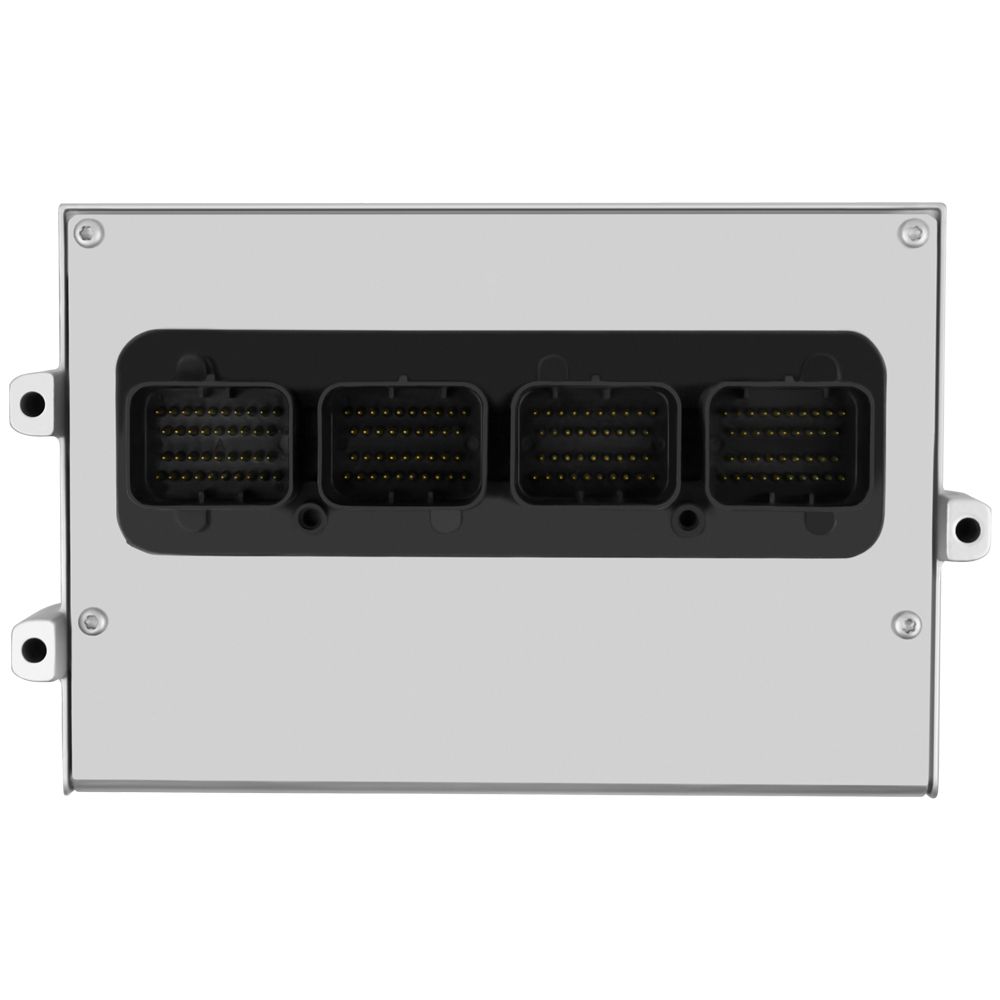
Flagship One stocks a refurbished, VIN-programmed PCM for the 2012 Jeep Liberty with a lifetime warranty, free shipping and no core charge. The full Jeep Liberty module lineup covers other engine configurations as well.
The PCM is a vital component of the 2012 Jeep Liberty, and addressing its failure promptly helps restore reliable performance. Whether you opt for a new OEM part or a Flagship One refurbished unit, proper installation and verification will keep your vehicle running smoothly. Contact a qualified technician to evaluate your specific situation.