
Last updated on August 25th, 2026 at 01:09 pm
The Powertrain Control Module (PCM) in your 2012 Jeep Grand Cherokee 6.4L manages fuel, ignition, and transmission functions. Failures may cause no-start conditions, erratic shifting, or internal memory faults that trigger warning lights.
If your 2012 Jeep Grand Cherokee 6.4L hesitates to start, stalls unexpectedly, or logs persistent engine codes, the Powertrain Control Module (PCM) may be failing. This critical computer oversees fuel delivery, ignition timing, and transmission behavior. Replacing it involves more than swapping hardware—factory procedures require precise reprogramming to sync the new unit with your vehicle’s original data. Understanding the steps, labor expectations, and symptoms helps you make informed decisions about repairs. This guide explains what the PCM does, where it’s located, and what to expect during replacement and programming.
The Powertrain Control Module in your 2012 Jeep Grand Cherokee 6.4L serves as the brain for engine and transmission functions. It processes sensor inputs to adjust fuel injection, ignition timing, and shift points, ensuring optimal performance and emissions compliance. A failing PCM may disrupt these operations, leading to poor drivability or even a no-start condition. When replacement becomes necessary, choosing replacement PCMs for the Grand Cherokee ensures compatibility with your vehicle’s specific calibration. The module’s role extends beyond basic engine control—it also influences transmission behavior, making its reliability critical for smooth operation.
2012 Jeep Grand Cherokee 6.4L
OEM programmed ECM for your 2012 Jeep Grand Cherokee 6.4L — plug & play, no dealer visit.
Free shipping · Lifetime warranty
In the 2012 Jeep Grand Cherokee 6.4L, the Powertrain Control Module is mounted near the engine bay, typically secured with bolts and connected via a wiring harness. Replacing it involves disconnecting the battery, removing the module’s electrical connectors, and unbolting the unit. Labor estimates for removal and reinstallation (R&R) are 0.6 hours. After installation, the module must be relearned or reset, which may add 0.3 to 0.5 hours depending on the procedure. Access is straightforward, but care must be taken to avoid damaging the connectors or module housing during removal.
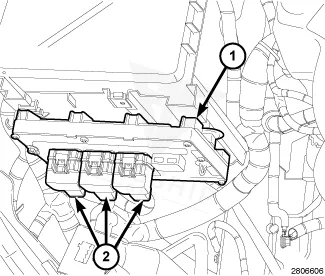
Work with the ignition off, and treat the module as static-sensitive: avoid touching the connector pins at any point.
| Operation | Configuration | Book Time |
|---|---|---|
| Powertrain Control Module Relearn | All configurations | 0.5 hr |
| Powertrain Control Module R&R | All configurations | 0.6 hr |
| Engine Control Module Relearn | All configurations | 0.5 hr |
| Engine Control Module Reset | All configurations | 0.3 hr |
| Engine Control Module R&R | All configurations | 0.6 hr |
After installing a new Powertrain Control Module in your 2012 Jeep Grand Cherokee 6.4L, the factory procedure requires reprogramming the unit with the vehicle’s original VIN and mileage. This step ensures the module syncs with the engine, transmission, and other onboard systems. Using a VIN-programmed replacement unit eliminates the need for this step, as the module arrives pre-configured with your vehicle’s data. If reprogramming is necessary, a diagnostic scan tool is used to complete the process, which may take additional time beyond the physical installation.
A failing Powertrain Control Module in your 2012 Jeep Grand Cherokee 6.4L may cause a range of drivability issues. Common symptoms include intermittent stalling, rough idling, or a no-start condition. You might also notice erratic shifting, as the module influences transmission behavior. Warning lights on the dashboard, such as the check engine light, often accompany these issues. Internal faults like memory integrity failure or P0606 may appear during a diagnostic scan, indicating the module’s internal memory or processing functions are compromised. If these symptoms persist, the PCM may need replacement or reprogramming.
The 2012 Jeep Grand Cherokee 6.4L may log specific internal trouble codes when the Powertrain Control Module experiences faults. These codes help diagnose the root cause of drivability issues or warning lights.
| Code | Meaning | Full Guide |
|---|---|---|
| P0601 | Internal memory checksum error | Full P0601 guide → |
| P0606 | Module processor failure | Full P0606 guide → |
Factory service bulletin #21-003-13 addresses reprogramming the Drivetrain Control Module (DCTM) in your 2012 Jeep Grand Cherokee to improve transfer case operation. This update may enhance shifting smoothness and reduce driveline-related symptoms. If you’re experiencing transfer case issues, this bulletin outlines the recommended software update procedure.
| Bulletin | Subject | What It Addresses |
|---|---|---|
| 21-003-13 | 21-003-13 Flash: Drivetrain Control Module (Dctm) – Transfer CASE Operational Enhancements | — |
Yes, the factory procedure typically includes a relearn process, which may take 0.5 hours. This step ensures the new module syncs with the vehicle’s systems. Some replacement units arrive pre-programmed, eliminating the need for this step.
Removal and reinstallation (R&R) of the Powertrain Control Module is estimated at 0.6 hours. Additional time may be required for relearning or reprogramming, depending on the procedure.
Yes, the PCM influences transmission behavior, so a failing module may lead to erratic shifting or harsh engagements. Addressing PCM-related codes promptly can help prevent further drivability problems.
If your 2012 Jeep Grand Cherokee 6.4L is experiencing PCM-related symptoms, you have options. A repair may involve reprogramming or addressing wiring issues, but if replacement is necessary, choosing a pre-configured unit can simplify the process. Understanding labor times and factory requirements helps you weigh the best approach for restoring your vehicle’s performance.
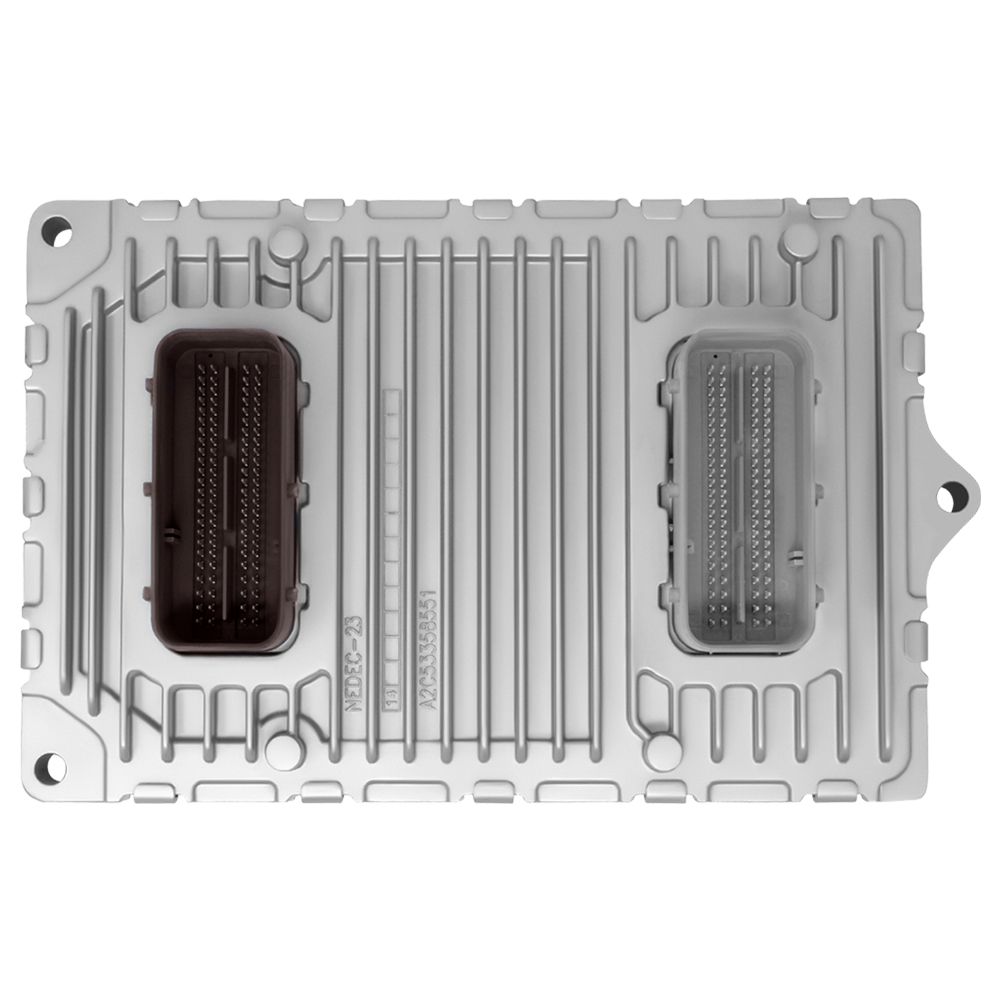
Flagship One stocks a refurbished, VIN-programmed PCM for the 2012 Jeep Grand Cherokee with a lifetime warranty, free shipping and no core charge. The full Jeep Grand Cherokee module lineup covers other engine configurations as well.
The Powertrain Control Module in your 2012 Jeep Grand Cherokee 6.4L plays a critical role in engine and transmission operation. If symptoms like stalling, warning lights, or no-start conditions arise, addressing the PCM promptly can prevent further issues. Whether you opt for repair or replacement, knowing the steps and expectations ensures a smoother process.