
Last updated on August 25th, 2026 at 02:23 pm
The powertrain control module (PCM) in your 2012 Chevrolet Colorado manages engine and transmission functions. Failures may cause drivability issues, warning lights, or a no-start condition due to internal faults or electrical damage.
If your 2012 Chevrolet Colorado is experiencing intermittent no-start issues, warning lights, or communication errors, the powertrain control module (PCM) may be at fault. This critical component oversees engine performance and transmission behavior, and its failure can disrupt normal operation. Understanding the role of the PCM, how to replace it safely, and what symptoms to watch for can help you address problems efficiently. This guide covers the essentials of PCM function, replacement steps, programming requirements, and preventive measures to keep your vehicle running smoothly.
The powertrain control module (PCM) in your 2012 Chevrolet Colorado acts as the brain for engine and transmission systems. It processes data from sensors to regulate fuel delivery, ignition timing, and shift patterns, ensuring optimal performance. A malfunctioning PCM may lead to poor drivability, warning lights, or even a complete no-start condition. When replacement becomes necessary, replacement engine computers for the Colorado are designed to restore proper function, but proper handling and installation are critical to avoid further issues.
The PCM in the 2012 Chevrolet Colorado is typically mounted in the engine bay, secured by a bracket. To replace it, you’ll need to disengage the mounting tabs carefully to avoid damaging the module. The factory labor time for removal and reinstallation is 0.8 hours. After removing the old unit, ensure the new PCM is seated properly, and reconnect all electrical connectors. The relearn procedure, which takes an additional 0.5 hours, is required to synchronize the module with the vehicle’s systems. Always follow factory cautions to prevent electrostatic discharge or connector damage during the process.
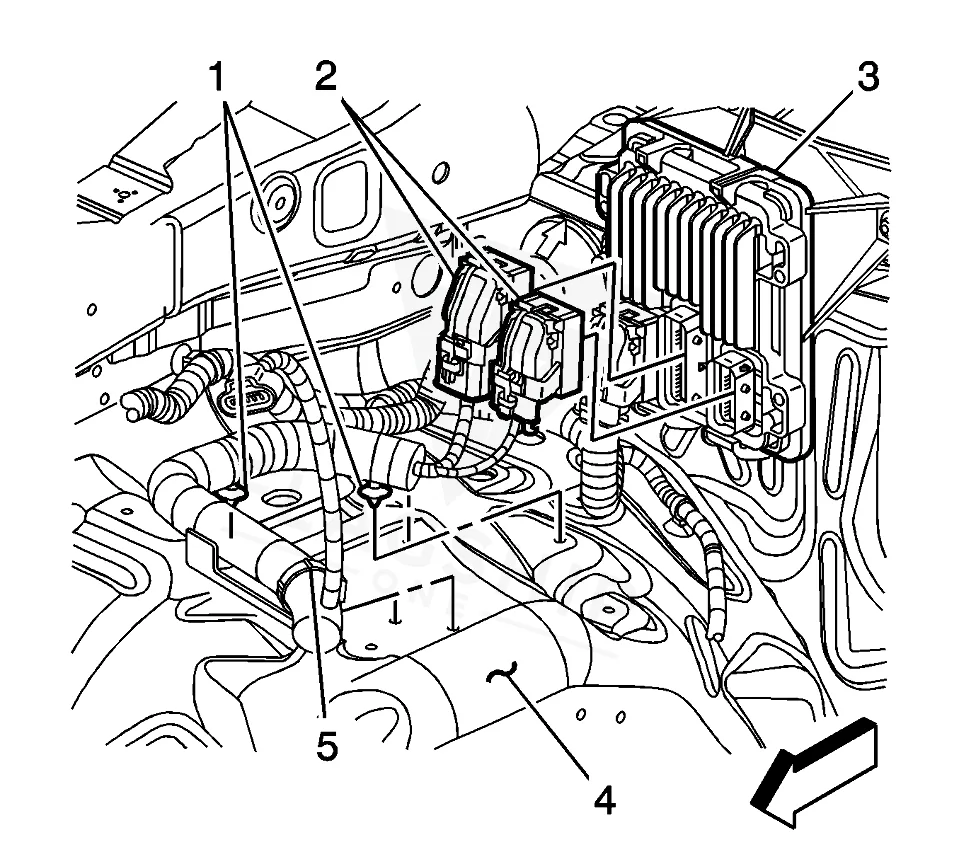
Work with the ignition off, and treat the module as static-sensitive: avoid touching the connector pins at any point.
| Operation | Configuration | Book Time |
|---|---|---|
| Engine Control Module R&R | All configurations | 0.8 hr |
| Engine Control Module Relearn | All configurations | 0.5 hr |
| Powertrain Control Module R&R | All configurations | 0.8 hr |
| Powertrain Control Module Relearn | All configurations | 0.5 hr |
2012 Chevrolet Colorado
OEM programmed ECM for your 2012 Chevrolet Colorado — plug & play, no dealer visit.
Free shipping · Lifetime warranty
After installing a new PCM in your 2012 Chevrolet Colorado, the factory requires a relearn procedure to ensure proper communication with the vehicle’s systems. This process takes 0.5 hours and involves specialized equipment to program the module correctly. However, a VIN-programmed replacement unit arrives ready for installation, eliminating the need for on-site programming. This ensures a smoother transition and reduces the risk of calibration errors during the swap.
A failing PCM in your 2012 Chevrolet Colorado may cause a range of symptoms, including intermittent no-start conditions, warning lights on the dashboard, or erratic engine behavior. You might also experience poor acceleration, stalling, or transmission shifting issues. Scan tool communication failures are another common sign. Internal faults like control module memory checksum error often indicate the need for module replacement, as these codes point to corruption or failure within the PCM’s memory or processing functions.
The 2012 Chevrolet Colorado may log specific trouble codes when the PCM experiences internal faults. These codes help diagnose issues related to memory corruption, communication errors, or processing failures within the module.
Factory service bulletin #09-06-03-004E addresses intermittent no-crank/no-start conditions, warning lights, or communication errors in the 2012 Chevrolet Colorado. These issues may stem from fretting corrosion in electrical connectors. The bulletin recommends disconnecting the affected connector, applying dielectric lubricant, and reassembling to restore proper function. If symptoms persist, further diagnosis of the PCM or related wiring may be necessary.
| Bulletin | Subject | What It Addresses |
|---|---|---|
| 09-06-03-004 | Intermittent No Crank/No Start, No Module Communication, MIL, Warning Lights, Vehicle Messages | Some customers may comment on any of the following conditions: An intermittent no crank/no start Intermittent malfunction indicator lamp (MIL) illumination… |
Common signs include a no-start condition, warning lights on the dashboard, or trouble codes like P0601. If scan tool communication fails or the vehicle exhibits erratic behavior, the PCM may be at fault. A professional diagnosis can confirm whether replacement is necessary.
Replacement is possible if you follow factory procedures carefully. The process involves removing the old module, installing the new one, and performing a relearn procedure. However, improper handling may cause electrostatic damage or calibration issues, so professional installation is often recommended.
Skipping the relearn procedure may result in poor engine performance, shifting issues, or communication errors. The vehicle’s systems rely on proper synchronization with the PCM, so the relearn ensures all functions operate as intended after replacement.
If your 2012 Chevrolet Colorado is showing signs of PCM failure, you have options for repair or replacement. While some issues may be resolved with connector maintenance or software updates, a faulty module often requires a new or refurbished unit. Choosing a pre-programmed replacement can simplify the process and reduce downtime, ensuring your vehicle returns to reliable operation quickly.
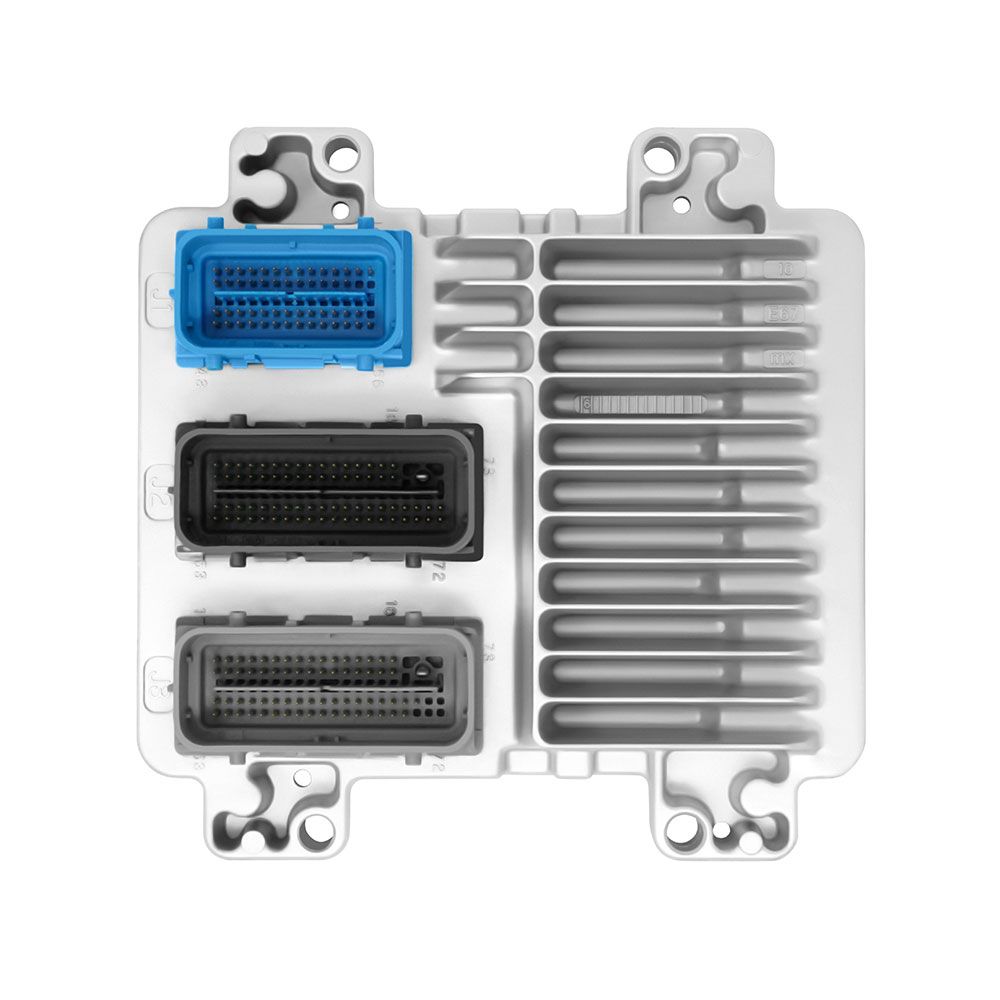
Flagship One stocks a refurbished, VIN-programmed PCM for the 2012 Chevrolet Colorado with a lifetime warranty, free shipping and no core charge. The full Chevrolet Colorado module lineup covers other engine configurations as well.
The 2012 Chevrolet Colorado relies on its PCM to manage critical engine and transmission functions. If you’re experiencing warning lights, no-start conditions, or communication errors, addressing the issue promptly can prevent further complications. Whether you opt for professional service or a DIY approach, understanding the module’s role and replacement steps will help keep your vehicle running smoothly.