
Last updated on August 25th, 2026 at 12:00 pm
The engine control module in your 2010 Toyota Yaris acts as the primary brain for the powertrain. It processes sensor data to manage fuel delivery and ignition timing. A failure in this hardware typically causes erratic engine behavior, failed emissions tests, or a complete loss of power.
You might find your 2010 Toyota Yaris exhibiting unpredictable performance, ranging from poor fuel economy to unexpected stalling. When the engine control module fails, it disrupts the delicate balance of the internal combustion process. This guide explains the role of the ECM and the steps required to replace it. By understanding how this computer interacts with your sensors and actuators, you can better diagnose whether a hardware failure is the root cause of your trouble. You will learn about the physical installation process, the specific labor times associated with the job, and the critical factory requirements for confirming a successful repair. Replacing this unit is not as simple as swapping a part; it requires precise configuration to match your vehicle’s specific needs. This information helps you navigate the process of restoring your 2010 Toyota Yaris to its original factory operating standards while avoiding common pitfalls during the installation and testing phases. Adhering to factory cautions is essential for a successful outcome.
2010 Toyota Yaris
OEM programmed replacements — plug & play, no dealer visit.
Find yours by year, make & model →
Free shipping · Lifetime warranty
The ECM is the central processing unit for the engine. It monitors oxygen sensors, mass airflow, and crankshaft position. It determines exactly when to fire the spark plugs and how much fuel to inject. Because the 2010 Toyota Yaris relies on this precise timing for efficiency, any internal circuitry failure can lead to significant performance degradation. If you are searching for replacement computers for the 2010 Toyota Yaris, you will find that these units are designed to integrate seamlessly with the vehicle’s electrical architecture. The module also communicates with the transmission control system to ensure smooth shifting and optimal power delivery. Without a functioning ECM, the engine cannot enter a closed-loop state, which often results in high emissions and poor idling. This component is sensitive to voltage fluctuations and thermal stress, meaning a failing unit may intermittently drop signals, causing the vehicle to stumble. The importance of this module cannot be overstated, as it serves as the bridge between the mechanical components of the 1.5L engine and the electronic commands required to keep the vehicle running smoothly. By maintaining the integrity of this unit, you ensure that your vehicle maintains its fuel efficiency and longevity. Furthermore, the module manages the variable valve timing and other critical efficiency features that define the character of the Yaris powertrain. This integration allows the vehicle to balance power output with low emissions across various driving conditions.
The engine control module is located within the engine bay of the 2010 Toyota Yaris. Replacing the unit is a straightforward process with a documented labor time of 0.7 hours for the removal and replacement. Once the hardware is swapped, you may need to perform an engine control module reset, which typically takes 0.3 hours. Additionally, the powertrain control system diagnosis and testing phase is estimated at 0.5 hours to ensure the system is communicating correctly. If a relearn process is necessary, that task usually adds another 0.5 hours to the total service time. You should ensure all electrical connectors are seated firmly to avoid intermittent signal loss. Accessing the module is generally uncomplicated, but precision is required when handling the wiring harnesses to prevent pin damage during the swap.
| Operation | Configuration | Book Time |
|---|---|---|
| Engine Control Module Relearn | All configurations | 0.5 hr |
| Engine Control Module R&R | All configurations | 0.7 hr |
| Engine Control Module Reset | All configurations | 0.3 hr |
| Powertrain Control System Diagnosis & Testing | All configurations | 0.5 hr |
After installing a new module, the factory specifies a confirmation driving pattern to verify the repair. This requires you to drive the 2010 Toyota Yaris at speeds between 35 and 50 mph (56 to 80 km/h) for at least 5 minutes. During this time, you must follow all traffic laws and speed limits. You should also navigate the internal menus to check Powertrain, Engine and ECT, and Trouble Codes. Because this is a complex process, using a VIN-programmed replacement unit removes the need for these initial configuration steps. Flagship One units arrive with your specific vehicle identification number already programmed into the hardware. This means the module is ready to communicate with your sensors immediately upon installation, bypassing the need for a dealership’s specialized flash tools to set the basic vehicle parameters. This streamlined approach reduces the risk of configuration errors and ensures the vehicle operates correctly from the moment the key is turned.
When the engine control module in a 2010 Toyota Yaris begins to fail, the symptoms are often erratic. You may experience a condition where the vehicle refuses to start, even with a fully charged battery and functioning starter. Stalling at stoplights or during low-speed maneuvers is another common sign of internal computer failure. You might notice a sudden drop in fuel economy or a rough idle that persists even after cleaning the throttle body. In some cases, the vehicle may enter a limp mode, where engine RPMs are restricted to protect the hardware. You may also encounter a total loss of communication when attempting to connect a scan tool to the OBD-II port. This dead communication often points directly to a failed ECM. Misfire codes may appear across multiple cylinders simultaneously, which typically suggests a processing error rather than a mechanical failure of the spark plugs or coils. Shifting issues or delayed acceleration can also occur if the ECM fails to send the correct timing signals to the powertrain control system. Because these symptoms can mimic sensor failures, a comprehensive diagnosis is necessary to confirm the computer is the source of the trouble. You might also see the check engine light flicker or illuminate without a stored code, indicating an internal intermittent short.
For the 2010 Toyota Yaris, the factory has released service bulletin #T-SB-0064-10. This specific bulletin outlines the Techstream ECU Flash Reprogramming Procedure. It provides the necessary steps for technicians to update the software within the engine control unit using the factory Techstream diagnostic tool. Following this procedure ensures that the module operates with the most current software logic provided by Toyota, which may resolve specific performance anomalies or software bugs present in earlier versions of the ECU.
| Bulletin | Subject | What It Addresses |
|---|---|---|
| T-SB-0064-10 | 01-11 Applicable Toyota Models: Techstream ECU Flash Reprogramming Procedure | — |
When addressing a failed computer in your 2010 Toyota Yaris, you have several choices. You can attempt a costly repair of the existing board or opt for a refurbished replacement. A pre-programmed unit offers a balance of reliability and convenience, reducing the time your vehicle spends in the shop. Choosing a module tailored to your specific vehicle ensures that the engine returns to its intended performance levels without the need for extensive dealership visits.
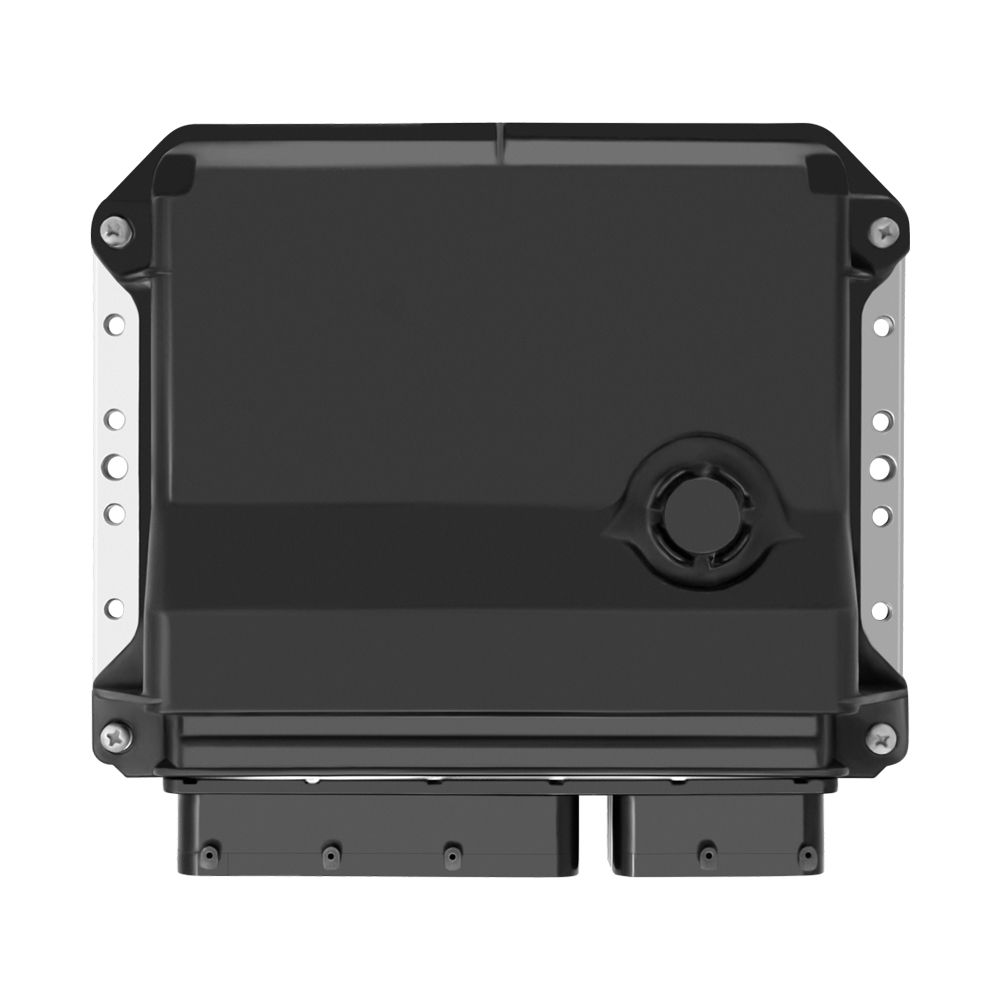
Flagship One stocks a refurbished, VIN-programmed PCM for the 2010 Toyota Yaris with a lifetime warranty, free shipping and no core charge. The full Toyota Yaris module lineup covers other engine configurations as well.
Restoring the electronic heart of your 2010 Toyota Yaris requires precision and the right hardware. By following the factory guidelines and ensuring the module is correctly programmed, you can eliminate unpredictable stalling and performance issues. If you suspect your engine computer is failing, consider a high-quality replacement to get your vehicle back on the road. Professional installation is always recommended.