
Last updated on August 25th, 2026 at 12:00 pm
The engine control module (ECM) in the 2010 Toyota FJ Cruiser manages fuel delivery, ignition timing, and transmission shift points. When it fails, the 4.0L V6 may experience stalling, poor acceleration, or a complete no-start condition, often without warning, leaving the vehicle stranded.
When a 2010 Toyota FJ Cruiser suddenly refuses to start or begins shifting erratically, the engine control module is often the hidden culprit. This compact computer orchestrates nearly every aspect of the 4.0L V6’s operation, from fuel metering to transmission behavior. A failing ECM can mimic other problems, leading to misdiagnosis and unnecessary parts swapping. Understanding what the module does, how it fails, and what a proper replacement entails saves time and frustration. This guide walks through the module’s role, common failure symptoms, the straightforward replacement process, and why a pre-programmed unit can get your FJ Cruiser back on the trail without a trip to the dealership. You will learn what to expect during diagnosis, how to interpret service bulletins, and what steps you can take to protect the new module for years of reliable service.
The engine control module in the 2010 Toyota FJ Cruiser is the central processor that governs the 4.0L V6’s performance and drivability. It continuously reads data from sensors—including the mass airflow sensor, throttle position sensor, oxygen sensors, and crankshaft position sensor—and adjusts fuel injector pulse width, ignition timing, and variable valve timing in real time. On this vehicle, the ECM also communicates with the transmission control system to manage shift points, torque converter lockup, and shift firmness. When the module degrades, these calculations become unreliable. The engine may stumble under load, hesitate during acceleration, or refuse to start altogether. Because the ECM integrates so many functions, a single internal fault can trigger multiple warning lights and set a cascade of diagnostic trouble codes. Many owners discover that the original module has developed internal circuit damage from heat cycles, vibration, or voltage spikes. When the original module fails, many owners turn to replacement ECMs for FJ Cruiser to restore proper operation. A replacement must match the vehicle’s calibration and VIN to function correctly, which is why off-the-shelf units often require additional programming steps.
2010 Toyota FJ Cruiser
OEM programmed replacements — plug & play, no dealer visit.
Find yours by year, make & model →
Free shipping · Lifetime warranty
The ECM on the 2010 FJ Cruiser is mounted in the engine compartment, typically near the air cleaner assembly or firewall. Accessing it requires opening the hood and removing any covers or brackets that may obstruct the connector. The labor guide lists a removal and installation time of 0.5 hours for the powertrain control module, which includes disconnecting the battery, releasing the wiring harness connectors, and swapping the unit. After the physical replacement, a separate 0.5-hour engine control module relearn procedure is necessary. This step allows the new module to adapt to the vehicle’s sensors and actuators, ensuring stable idle and proper transmission behavior. No special tools are required beyond basic hand tools, but care must be taken to avoid bending connector pins or damaging the weather seal. Always verify that the replacement module is securely mounted and that all connectors are fully seated before reconnecting the battery.
| Operation | Configuration | Book Time |
|---|---|---|
| Powertrain Control Module R&R | All configurations | 0.5 hr |
| Engine Control Module Relearn | All configurations | 0.5 hr |
| Engine Control Module R&R | All configurations | 0.5 hr |
Factory documentation for the 2010 FJ Cruiser specifies that after installing a new ECM, a technician must perform a relearn procedure and, in many cases, use Toyota’s Techstream software to flash the latest calibration. Service bulletin T-SB-0064-10 outlines the official ECU flash reprogramming procedure, which requires a pass-through device and a subscription to Toyota’s technical information system. This process can add time and expense if done at a dealership. When you install a VIN-programmed replacement ECM from Flagship One, the module already contains the correct calibration for your FJ Cruiser, so the Techstream flash procedure is unnecessary. The unit arrives with your vehicle’s VIN and immobilizer data preloaded, allowing you to complete only the 0.5-hour relearn after installation. This eliminates the need for dealer-level programming tools and gets your vehicle running with minimal downtime.
A failing ECM in a 2010 Toyota FJ Cruiser often produces symptoms that can be mistaken for fuel system or ignition problems. The most common sign is an intermittent no-start condition: the engine cranks strongly but will not fire, as if there is no spark or fuel. Stalling at idle or while decelerating is another frequent complaint, especially when the engine is warm. Drivers may notice harsh or delayed transmission shifts, as the ECM directly influences shift timing and pressure. The check engine light may illuminate, and a scan tool might fail to communicate with the module—a strong indicator of internal ECM failure. In some cases, the vehicle may enter a fail-safe mode, limiting engine power and locking the transmission in a single gear. Misfire codes can appear even when the ignition components are in good condition, because the ECM is not firing the coils correctly. Because these symptoms overlap with other faults, professional diagnosis is recommended before replacing the module.
Toyota issued several service bulletins relevant to the 2010 FJ Cruiser’s engine control module. T-SB-0166-10 describes an ECM calibration update that enhances shifting performance, addressing complaints of harsh or delayed gear changes. A similar bulletin, T-TCI-3460, applies to Canadian-market vehicles and provides the same shift-quality improvement. Both updates are software-based and do not involve hardware changes. Additionally, T-SB-0064-10 outlines the general Techstream ECU flash reprogramming procedure for applicable Toyota models from 2001 to 2011, including the FJ Cruiser. This bulletin details the steps and equipment needed to update the ECM calibration at the dealer level. If your vehicle exhibits shift concerns, verifying that the latest calibration is installed may resolve the issue without replacing the module.
| Bulletin | Subject | What It Addresses |
|---|---|---|
| T-SB-0166-10 | ’10 4Runner. FJ Cruiser: ECM Calibration: Enhancement to Shifting Performance | — |
| T-TCI-3460 | ’10 4Runner, FJ Cruiser : ECM Calibration: Enhancement To Shifting Performance (Canada) | — |
| T-SB-0064-10 | 01-11 Applicable Toyota Models: Techstream ECU Flash Reprogramming Procedure | — |
Common signs include a no-start condition where the engine cranks but does not fire, intermittent stalling, harsh or delayed transmission shifts, and a check engine light with no scan tool communication. You may also experience reduced power or a fail-safe mode that limits vehicle speed.
Yes, the physical replacement is straightforward and takes about half an hour with basic hand tools. The module is accessible in the engine bay, and the process involves disconnecting the battery, unplugging the connectors, and swapping the unit. After installation, a relearn procedure is required.
A new or used ECM typically requires programming with Toyota’s Techstream software to load the correct calibration and VIN. However, a VIN-programmed replacement unit arrives with this data already installed, so only a brief relearn is needed after installation.
The labor guide allows 0.5 hours for removal and installation, plus an additional 0.5 hours for the engine control module relearn procedure. In practice, a careful DIY owner can complete the physical swap in under an hour, with the relearn taking place during the first drive cycle.
A used ECM may physically plug in, but it will not function correctly unless it is reprogrammed with your vehicle’s VIN and immobilizer data. Even then, internal wear or outdated calibrations can cause issues. A refurbished, VIN-programmed unit is a more reliable solution.
For a 2010 FJ Cruiser, a failing ECM often cannot be repaired reliably due to internal circuit degradation. A refurbished, pre-programmed replacement offers a practical path forward, eliminating the need for dealer-level programming tools. Flagship One provides VIN-matched modules that plug in and require only the standard relearn, getting your vehicle back to its rugged, dependable self without unnecessary delays.
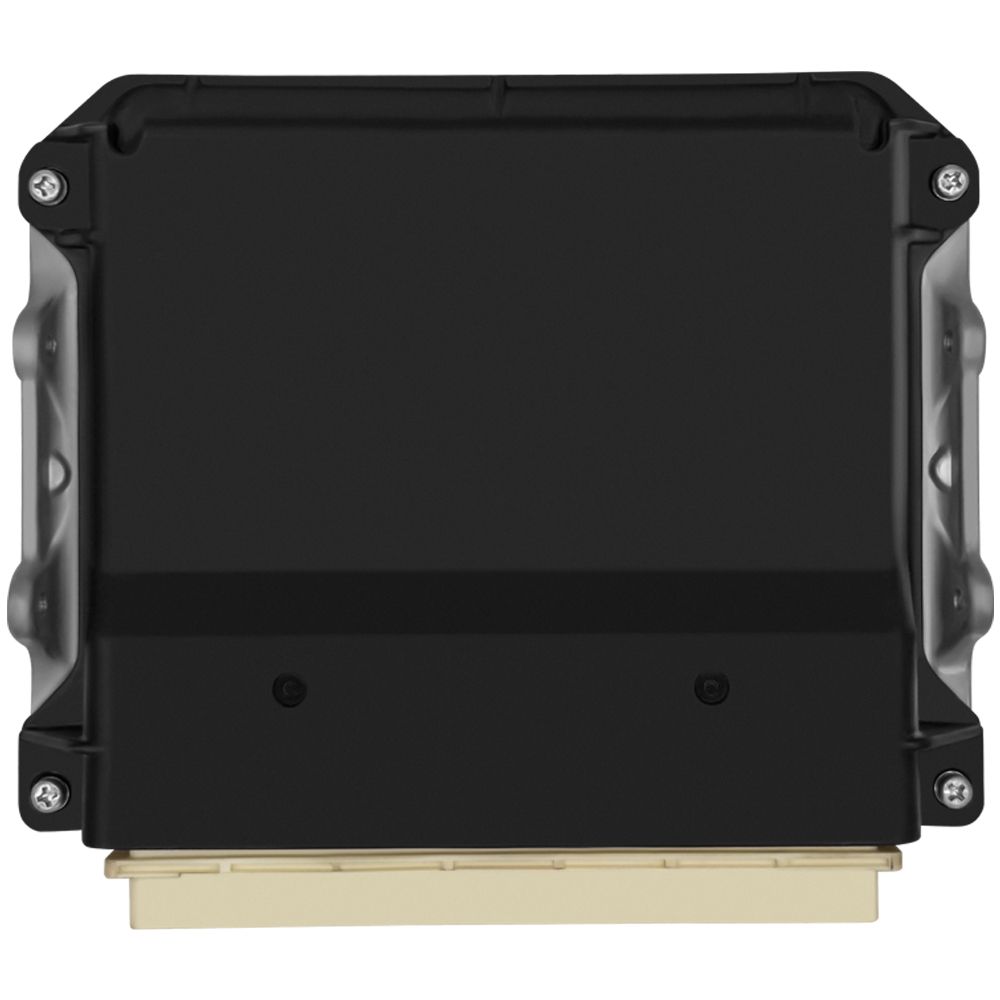
Flagship One stocks a refurbished, VIN-programmed PCM for the 2010 Toyota FJ Cruiser with a lifetime warranty, free shipping and no core charge. The full Toyota FJ Cruiser module lineup covers other engine configurations as well.
When your 2010 Toyota FJ Cruiser shows signs of ECM trouble, a properly programmed replacement can restore its legendary reliability. By choosing a solution that arrives ready to install, you avoid the complexity of factory flash procedures and minimize downtime. Consider a VIN-matched unit to get back on the road with confidence.