
Last updated on August 25th, 2026 at 12:18 pm
The Engine Control Module (ECM) in your 2010 Saab 9-5 manages fuel delivery, ignition timing, and emissions systems. A failing ECM may cause erratic engine behavior, poor performance, or complete failure to start, often triggered by electrical issues or internal faults.
If your 2010 Saab 9-5 has been acting up—stalling unexpectedly, refusing to start, or throwing cryptic check-engine lights—your engine computer (ECM) might be the culprit. This small but critical module acts as the brain of your vehicle’s powertrain, coordinating everything from fuel delivery to ignition timing. When it fails, the symptoms can range from subtle performance issues to a complete no-start condition. Replacing it isn’t just about swapping parts; it involves precise labor steps and, in most cases, a relearn procedure to ensure the new module communicates properly with the rest of your vehicle’s systems. Understanding what the ECM does, where it’s located, and how to address common failures can save you time and frustration. This guide covers the essentials: what to watch for, how replacement works, and why choosing the right replacement unit matters for your Saab 9-5.
The Engine Control Module (ECM) in your 2010 Saab 9-5 is responsible for managing the engine’s most critical functions. It continuously monitors data from sensors throughout the vehicle, adjusting fuel injection, ignition timing, and emissions controls to optimize performance and efficiency. Without a properly functioning ECM, your engine may run poorly, waste fuel, or fail to start altogether. This module also plays a key role in diagnosing issues, storing trouble codes when problems arise. If the ECM fails, you may notice symptoms like rough idling, reduced power, or even a complete loss of engine control. Replacing it involves installing one of the replacement engine computers for the Saab 9-5, which must be compatible with your vehicle’s specific configuration. The ECM’s location and the labor required for replacement are designed to be accessible, though the process demands careful attention to detail to avoid further issues.
Flagship One keeps Saab 5-Sep replacement engine computers in stock for exactly this failure pattern.
2010 Saab 9-5
OEM programmed ECM for your 2010 Saab 9-5 — plug & play, no dealer visit.
Free shipping · Lifetime warranty
In the 2010 Saab 9-5, the ECM is typically mounted near the engine bay, often secured behind a protective cover or panel. Accessing it requires removing a few components, such as air intake ducts or electrical connectors, to reach the module. The replacement process involves disconnecting the battery, unplugging the wiring harness, and removing the mounting bolts to free the old ECM. Once the new unit is installed, the wiring harness is reconnected, and the battery is restored. Labor estimates for this procedure are around 1.1 hours, as the module’s placement is designed to allow relatively straightforward access. However, the exact steps may vary slightly depending on the vehicle’s configuration, so following the manufacturer’s guidelines is essential to ensure a proper installation.
| Operation | Configuration | Book Time |
|---|---|---|
| Powertrain Control Module R&R | All configurations | 1.1 hr |
| Engine Control Module Relearn | All configurations | 0.5 hr |
| Engine Control Module R&R | All configurations | 1.1 hr |
After installing a new ECM in your 2010 Saab 9-5, the factory procedure typically requires a relearn process to synchronize the module with the vehicle’s systems. This step, which may take about 0.5 hours, ensures the ECM communicates correctly with the transmission, sensors, and other components. However, when you opt for a VIN-programmed replacement unit, this step is already completed before the module arrives. Flagship One’s units are pre-configured to match your vehicle’s specifications, eliminating the need for additional programming or relearn procedures. This not only saves time but also reduces the risk of errors during the installation process, allowing your Saab 9-5 to return to normal operation more quickly.
A failing ECM in your 2010 Saab 9-5 can manifest in several ways, often mimicking other mechanical or electrical issues. One of the most common signs is a no-start condition, where the engine cranks but fails to fire up. You may also experience intermittent stalling, especially at idle or during deceleration, as the ECM struggles to maintain proper fuel and ignition timing. Poor engine performance, such as hesitation or surging under acceleration, can also indicate ECM trouble. Another red flag is the illumination of the check-engine light, often accompanied by trouble codes stored in the vehicle’s memory. For example, a memory checksum error suggests the ECM’s internal memory has been corrupted, which can lead to erratic behavior. Other symptoms may include rough idling, reduced fuel efficiency, or even transmission shifting issues, as the ECM plays a role in coordinating engine and transmission functions. If you notice any of these signs, it’s worth having the ECM inspected, as ignoring the problem could lead to more severe drivability issues.
The 2010 Saab 9-5’s ECM is designed to detect and store specific trouble codes when internal faults occur. These codes help pinpoint issues within the module itself, rather than external sensors or components. Below are the documented trouble codes associated with ECM failures in this vehicle.
Common signs include a no-start condition, intermittent stalling, rough idling, or the check-engine light illuminating with codes like P0601. If the vehicle exhibits these symptoms, a diagnostic scan can help confirm whether the ECM is the issue.
While the ECM is accessible, replacement requires careful handling of electrical connections and may involve a relearn procedure. If you’re not experienced with automotive electronics, it’s best to have a professional perform the installation.
The relearn process ensures the new ECM synchronizes with the vehicle’s sensors and systems. Without it, the engine may run poorly or fail to start. A VIN-programmed unit eliminates this step.
Common causes include voltage spikes from a faulty alternator, corrosion in electrical connectors, or internal component wear. Poor maintenance of the vehicle’s electrical system can also contribute to premature failure.
A used ECM may work if it’s from the same vehicle model and configuration, but it often requires reprogramming to match your VIN. A new or remanufactured VIN-programmed unit is typically a more reliable option.
If your 2010 Saab 9-5 is showing signs of ECM failure, you have options. While a repair might address minor issues, a replacement is often the most reliable solution. Opting for a VIN-programmed unit ensures compatibility and eliminates the need for post-install programming, saving you time and hassle. Whether you choose a new or remanufactured module, selecting the right replacement can restore your vehicle’s performance and reliability.
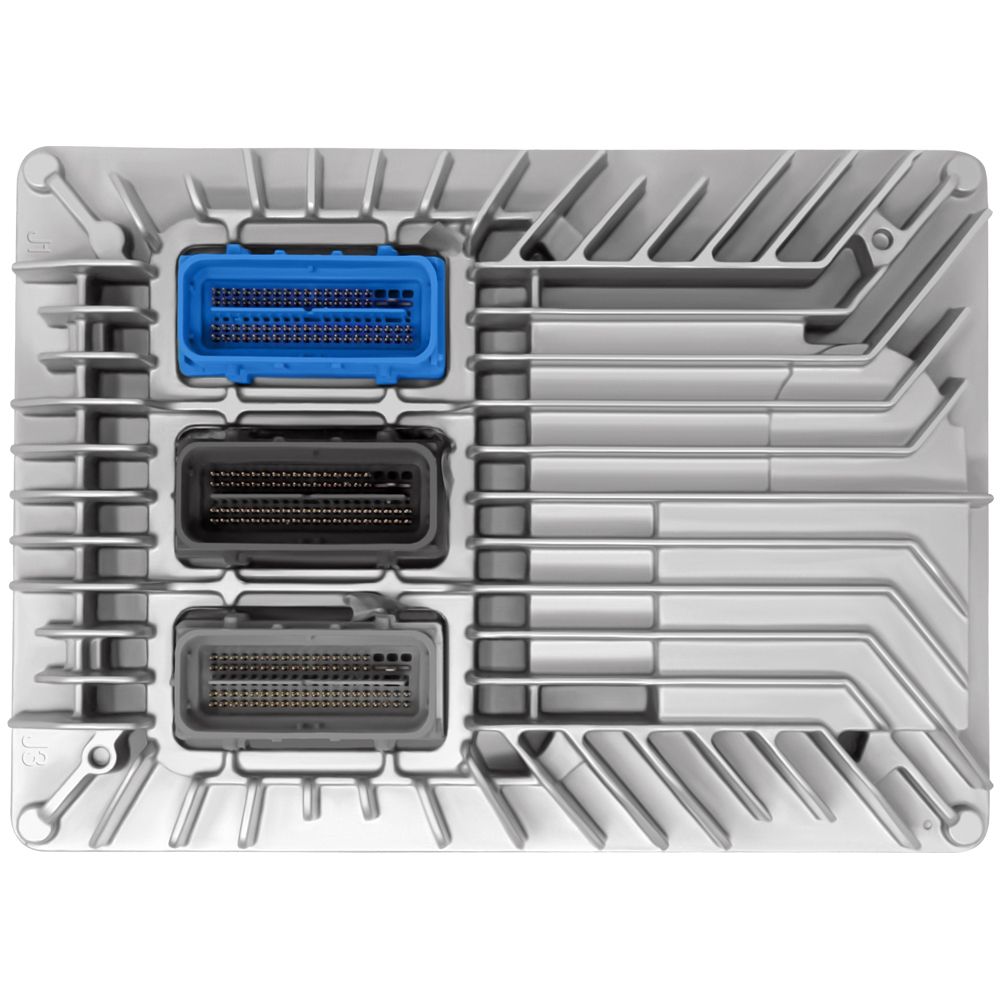
Flagship One stocks a refurbished, VIN-programmed PCM for the 2010 Saab 5-Sep with a lifetime warranty, free shipping and no core charge.
The ECM in your 2010 Saab 9-5 is a critical component that ensures smooth engine operation and optimal performance. If you’re experiencing symptoms like stalling, no-start conditions, or check-engine lights, addressing the issue promptly can prevent further complications. Whether you opt for a repair or a replacement, understanding the role of the ECM and the steps involved in replacement will help you make an informed decision. With the right approach, your Saab 9-5 can continue to deliver the driving experience you expect.