
Last updated on August 25th, 2026 at 02:15 pm
In the 2010 Hummer H3, the Engine Control Module orchestrates fuel, ignition, and sensor data to keep the engine running. Failure can trigger no-start, misfire, or warning lights.
If your 2010 Hummer H3 is exhibiting engine or diagnostic anomalies, the ECM may be at fault. This guide explains the role of the Engine Control Module, outlines the replacement steps, and highlights key precautions. By following these instructions, you can restore proper engine operation and avoid common pitfalls.
The Engine Control Module in a 2010 Hummer H3 manages fuel injection, ignition timing, and sensor integration to maintain engine performance. It communicates with the Powertrain Control Module and other systems to ensure smooth operation. Engine Control Module for the 2010 Hummer H3 plays a pivotal role in engine management, making its reliability essential for vehicle performance.
The ECM is located under the hood, behind the firewall, with the bracket secured by mounting tabs. Disengage the bracket tabs before removal. Replacement involves a 0.8-hour labor time as per the book schedule. After installing the new unit, a 0.5-hour relearn is required to reestablish communication.
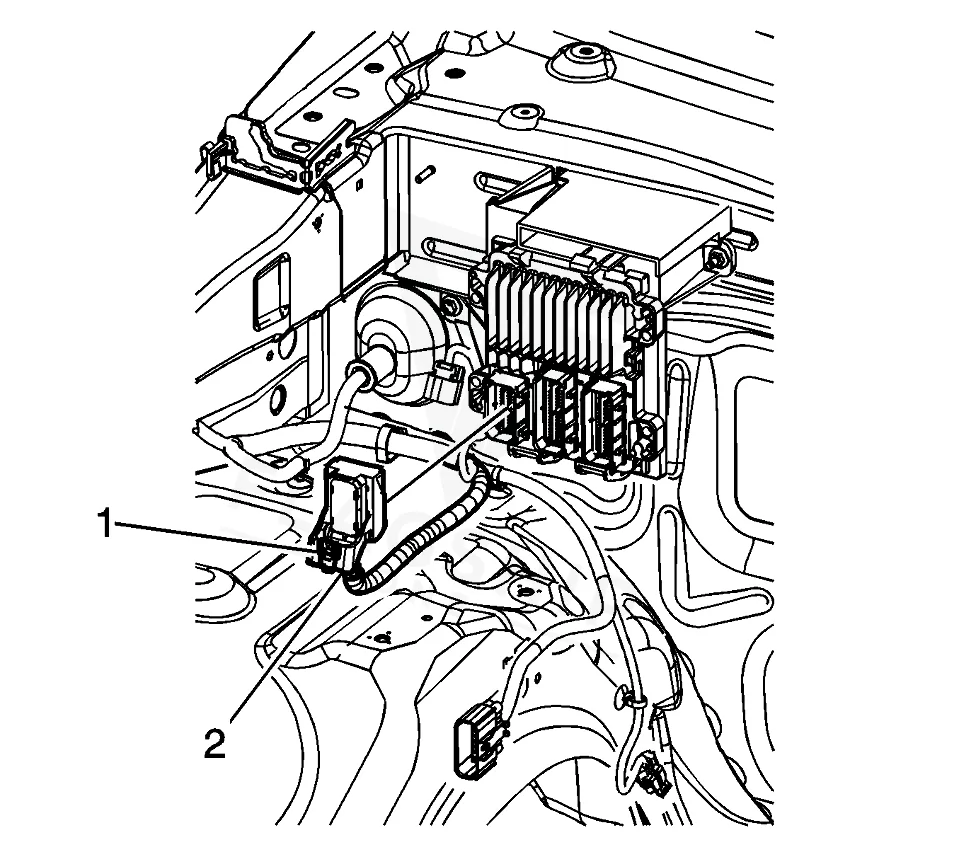
Work with the ignition off, and treat the module as static-sensitive: avoid touching the connector pins at any point.
| Operation | Configuration | Book Time |
|---|---|---|
| Engine Control Module R&R | H3 | 0.8 hr |
| Engine Control Module R&R | H3T | 0.8 hr |
| Engine Control Module Relearn | H3 | 0.5 hr |
| Engine Control Module Relearn | H3T | 0.5 hr |
| Powertrain Control Module Relearn | H3 | 0.5 hr |
| Powertrain Control Module Relearn | H3T | 0.5 hr |
| Powertrain Control Module R&R | H3 | 0.8 hr |
| Powertrain Control Module R&R | H3T | 0.8 hr |
2010 Hummer H3
OEM programmed ECM for your 2010 Hummer H3 — plug & play, no dealer visit.
Free shipping · Lifetime warranty
After installing the new ECM, a relearn procedure is needed to program the module for the specific vehicle. Flagship One units arrive VIN‑programmed, so the relearn step is already completed. VIN‑programmed replacement unit will work out of the box.
Common signs of an ECM failure include intermittent no‑crank or no‑start conditions, malfunction indicator lamp flashes, and sporadic service messages. The presence of code Engine Control Module Failure often signals an internal fault within the module.
The 2010 Hummer H3 may produce several internal trouble codes when the ECM is compromised, including P0601 through P062F and P1621.
Service bulletin #09‑06‑03‑004 and #09‑06‑03‑004E addresses intermittent no‑start and related warning lights. The bulletin recommends disconnecting the affected connector and applying dielectric lubricant to mitigate fretting corrosion.
| Bulletin | Subject | What It Addresses |
|---|---|---|
| 09-06-03-004 | Intermittent No Crank/No Start, No Module Communication, MIL, Warning Lights, Vehicle Messages | Some customers may comment on any of the following conditions: An intermittent no crank/no start Intermittent malfunction indicator lamp (MIL) illumination… |
No-start can stem from various issues. A diagnostic scan should confirm an ECM fault before ordering a replacement. If the scan reveals internal ECM codes, replacement is warranted.
Intermittent lights may result from connector corrosion or ESD damage to the ECM. Replacing the module often resolves the issue, but cleaning or lubricating connectors can also help.
Yes. The relearn process reprograms the ECM to match the vehicle’s parameters. Flagship One units are VIN‑programmed, so the relearn is already completed.
Whether you opt for a quick repair or a refurbished replacement, understanding the ECM’s role and the correct installation steps ensures your 2010 Hummer H3 runs reliably. Consider professional service if you are unsure about handling the module yourself.
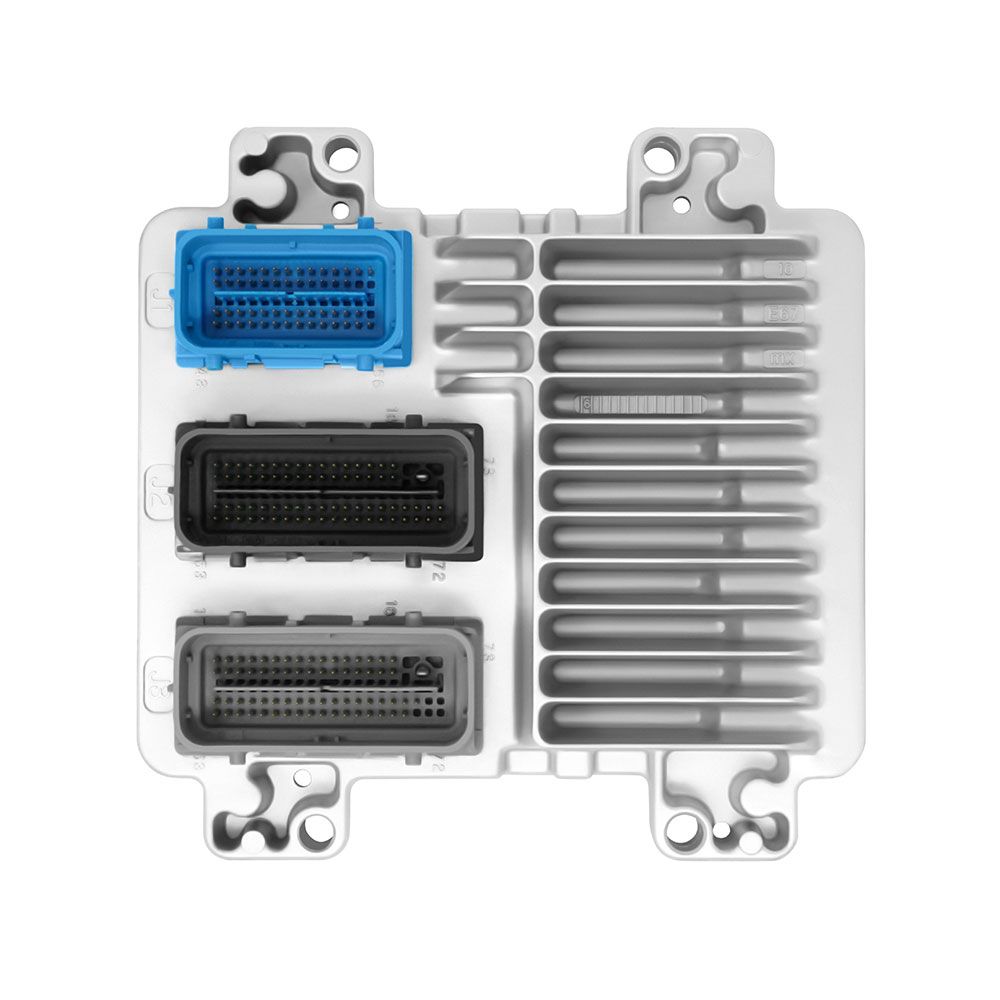
Flagship One stocks a refurbished, VIN-programmed PCM for the 2010 Hummer H3 with a lifetime warranty, free shipping and no core charge. The full Hummer H3 module lineup covers other engine configurations as well.
A proper 2010 Hummer H3 ECM replacement restores engine control and eliminates no-start issues. Trust the guidance above and keep your vehicle running smoothly.