
Last updated on August 25th, 2026 at 12:59 pm
In the 2010 Audi TT, the powertrain control module (PCM) and engine control module (ECM) act as the vehicle’s central computers, managing fuel delivery, ignition timing, and emissions. Failure typically results from electrical issues, water intrusion, or component wear, leading to loss of engine control and diagnostic communication.
When a 2010 Audi TT begins to exhibit intermittent stalling, unexpected power loss, or diagnostic trouble codes, the underlying cause often points to the vehicle’s electronic control units. Understanding how the powertrain control module and engine control module operate, as well as what the repair process entails, can help you make an informed decision about service. This guide explains the role of each computer in this model, outlines the typical labor involved, and clarifies the post‑install programming steps so you know exactly what to expect when addressing these components.
2010 Audi TT
OEM programmed ECM for your 2010 Audi TT — plug & play, no dealer visit.
Free shipping · Lifetime warranty
The powertrain control module in a 2010 Audi TT serves as the brain that coordinates engine output with transmission behavior, ensuring smooth acceleration and optimal fuel efficiency. It interprets sensor data, controls fuel injectors, and manages shift timing, which is why any malfunction can affect drivability. The engine control module performs a similar function but focuses specifically on combustion processes, adjusting spark timing and air‑fuel ratios to meet emissions standards. Together, these units keep the TT running as designed, and their reliability is crucial for performance and emissions compliance. replacement control modules for the 2010 Audi TT are engineered to match the original specifications while offering updated firmware.
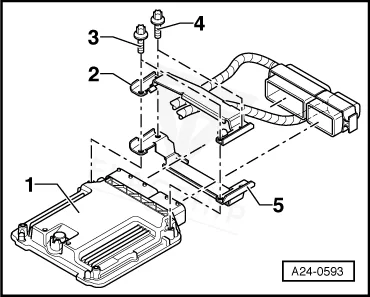
Both the PCM and ECM are mounted within the engine compartment of the 2010 Audi TT, typically secured to the firewall or a nearby bracket. Access usually requires removal of the air intake assembly and several electrical connectors. The documented labor time for removing and reinstalling the powertrain control module is listed as 1.3 hours, while the engine control module requires the same amount of effort. After the physical replacement, a relearn procedure for each unit is allotted 0.5 hours, and the ECM also includes a brief 0.3‑hour reset step to complete the installation.
| Operation | Configuration | Book Time |
|---|---|---|
| Powertrain Control Module R&R | All configurations | 1.3 hr |
| Powertrain Control Module Relearn | All configurations | 0.5 hr |
| Engine Control Module Relearn | All configurations | 0.5 hr |
| Engine Control Module Reset | All configurations | 0.3 hr |
| Engine Control Module R&R | All configurations | 1.3 hr |
Following the physical swap of either the PCM or ECM, the factory service protocol calls for a relearn cycle to synchronize the new unit with the vehicle’s existing sensors and transmission control logic. This process typically occupies half an hour for each module, and the ECM reset adds a short additional interval. Flagship One supplies units that arrive pre‑programmed to the vehicle’s VIN, so those relearn and reset steps are already satisfied, reducing shop time. a VIN‑programmed replacement unit eliminates the need for on‑site coding.
Owners of a 2010 Audi TT may notice a range of issues when the PCM or ECM begins to fail. Common signs include the engine refusing to start, sudden stalls while cruising, rough idle, or unexpected loss of power during acceleration. Diagnostic trouble codes often appear, indicating communication loss between the computer and scan tools, which can prevent successful reprogramming. Misfire patterns and erratic shift behavior may also surface, reflecting the modules’ loss of precise control over fuel and transmission functions.
The PCM is located in a confined area of the engine bay and requires specific tools and safety precautions. While a skilled DIYer might attempt it, professional installation ensures proper torque and connector handling.
Failure is not strictly mileage‑dependent; it often relates to exposure to moisture, electrical surges, or component aging, so symptoms can appear at various points in the vehicle’s life.
A scan tool is typically used to verify communication and clear any residual codes, but a VIN‑programmed replacement from Flagship One may already have the necessary data loaded.
Refurbished units that have been tested and reconditioned to factory specifications generally provide comparable performance to new modules when properly installed.
Including them in regular diagnostic checks during scheduled maintenance can help spot early signs of failure before they affect drivability.
When the control modules in your 2010 Audi TT need attention, you can choose between a brand‑new replacement or a professionally refurbished unit. Both options restore the vehicle’s electronic management, but a refurbished part may offer cost savings while still meeting OEM standards. Evaluating your budget and warranty preferences will guide the best path forward.
Flagship One stocks a refurbished, VIN-programmed PCM for the 2010 Audi TT with a lifetime warranty, free shipping and no core charge. The full Audi TT module lineup covers other engine configurations as well.
Addressing PCM or ECM issues in a 2010 Audi TT helps maintain the car’s performance and reliability. Whether you opt for a new or refurbished solution, proper installation and verification keep your vehicle running as intended.