
Last updated on August 25th, 2026 at 12:18 pm
The Engine Control Module (ECM) in the 2009 Nissan 350Z manages fuel injection, ignition timing, and emissions systems. Failures may cause drivability issues, poor performance, or complete engine shutdown due to corrupted memory or electrical faults.
If your 2009 Nissan 350Z has been stalling, refusing to start, or throwing unexplained engine codes, the Engine Control Module (ECM) may be the culprit. This small but critical computer manages everything from fuel delivery to ignition timing, ensuring your V6 engine runs smoothly. When it fails, symptoms can range from subtle performance hiccups to a complete no-start condition. Understanding how the ECM functions, where it’s located, and what replacement involves can save you time and frustration. This guide explains the role of the ECM in your 350Z, common failure signs, and the steps required to restore reliable operation. Whether you’re diagnosing an existing issue or preparing for potential repairs, knowing these details helps you make informed decisions about your vehicle’s health.
The Engine Control Module in the 2009 Nissan 350Z serves as the brain of the engine management system. It continuously monitors sensors for data like air intake, throttle position, and exhaust oxygen levels, then adjusts fuel injection, ignition timing, and idle speed to optimize performance and emissions. This module also communicates with the transmission control unit to ensure smooth gear shifts and maintains diagnostic readiness for emissions testing. Without a properly functioning ECM, your 350Z may experience rough idling, reduced power, or even fail to start. Over time, electrical surges, moisture intrusion, or internal component degradation can corrupt the module’s memory or disrupt its circuitry. When replacement becomes necessary, replacement engine computers for the 350Z are designed to restore factory-level functionality, but proper installation and programming are critical to avoid further issues. The ECM’s role is especially important in high-performance vehicles like the 350Z, where precise engine control directly impacts driving dynamics and reliability.
2009 Nissan 350Z
OEM programmed ECM for your 2009 Nissan 350Z — plug & play, no dealer visit.
Free shipping · Lifetime warranty
In the 2009 Nissan 350Z, the ECM is located behind the passenger-side kick panel, near the firewall. Accessing it requires removing the interior trim panel, which typically involves unscrewing a few fasteners and carefully pulling the panel away from the body. Once exposed, the ECM is secured with a mounting bracket and connected via a multi-pin electrical connector. Replacement involves disconnecting the battery, unplugging the connector, removing the mounting hardware, and installing the new module in reverse order. According to factory labor estimates, the entire removal and reinstallation process takes about 0.8 hours. No specialized tools are required beyond basic hand tools, but care must be taken to avoid damaging the connector or surrounding components during the procedure. After installation, the module must undergo a relearn procedure to synchronize with the vehicle’s systems.
| Operation | Configuration | Book Time |
|---|---|---|
| Powertrain Control Module R&R | All configurations | 0.8 hr |
| Engine Control Module R&R | All configurations | 0.8 hr |
| Engine Control Module Relearn | All configurations | 0.5 hr |
After replacing the ECM in your 2009 Nissan 350Z, a factory-required relearn procedure must be performed to ensure the module communicates correctly with the engine and transmission systems. This process, which typically takes about 0.5 hours, involves resetting learned values such as idle speed, fuel trim, and transmission shift points. Without this step, your vehicle may exhibit poor performance, erratic shifting, or even fail to start. However, if you opt for a VIN-programmed replacement unit, these steps are already completed before the module arrives, eliminating the need for additional programming. This ensures your 350Z will start and run as expected immediately after installation, saving you time and potential frustration. Always follow the manufacturer’s guidelines to avoid issues with emissions compliance or drivability.
When the ECM in your 2009 Nissan 350Z begins to fail, symptoms can vary widely but often include noticeable drivability issues. A common early sign is an illuminated check engine light, sometimes accompanied by internal control module fault, which indicates a memory or processing error within the module itself. You may also experience intermittent stalling, especially at idle or during deceleration, as the ECM struggles to maintain proper fuel and ignition timing. Rough idling or hesitation under acceleration can occur if the module fails to adjust fuel delivery correctly. In more severe cases, the vehicle may crank but fail to start, as the ECM is unable to initiate fuel injection or spark. Some owners report erratic transmission behavior, such as harsh or delayed shifts, since the ECM also communicates with the transmission control module. Electrical issues, like flickering dashboard lights or intermittent power loss, may also point to ECM problems, particularly if the module’s internal circuitry is degrading. If your scan tool fails to communicate with the ECM, that’s a strong indication the module has failed entirely. Addressing these symptoms promptly can prevent further damage to other engine components and restore your 350Z’s performance.
The 2009 Nissan 350Z may log specific trouble codes when the ECM experiences internal faults. These codes help diagnose issues related to the module’s memory, processing, or electrical connections. One documented code for this vehicle is highlighted below.
| Code | Meaning | Full Guide |
|---|---|---|
| P0605 | Internal ROM error | Full P0605 guide → |
Intermittent stalling in your 350Z can often be traced to the ECM, especially if the module is failing to maintain consistent fuel or ignition timing. Other symptoms, like rough idling or hesitation, may accompany the stalling. A diagnostic scan can confirm if the ECM is logging internal faults or communication errors.
Skipping the ECM relearn procedure after replacement may result in poor engine performance, such as rough idling, erratic shifting, or even a no-start condition. The relearn ensures the module synchronizes with the vehicle’s sensors and systems, so it’s critical to follow the factory procedure or use a pre-programmed unit.
Yes, the ECM in your 350Z communicates with the transmission control module to manage shift points. If the ECM is malfunctioning, you may experience harsh, delayed, or erratic shifts. Addressing ECM issues can often resolve these transmission-related symptoms.
A failing ECM often triggers specific symptoms like a no-start condition, stalling, or a check engine light with codes like internal control module fault. If your scan tool fails to communicate with the ECM, that’s a strong indication of module failure. However, other issues like a weak battery, faulty sensors, or corroded connectors can mimic ECM problems, so thorough diagnostics are essential.
Driving with a internal control module fault code is not recommended, as it indicates a serious issue with the ECM’s memory or processing. While the vehicle may still run, you risk sudden stalling, poor performance, or even a complete no-start condition. Addressing the code promptly can prevent further damage to the module or other engine components.
If your 2009 Nissan 350Z is experiencing ECM-related issues, you have options for repair or replacement. While a dealership may offer a new module, aftermarket solutions provide a cost-effective alternative without sacrificing quality. A VIN-programmed replacement unit ensures your vehicle will start and run as expected immediately after installation, eliminating the need for additional programming. Whether you’re dealing with a no-start condition or persistent drivability problems, addressing the ECM promptly can restore your 350Z’s performance and reliability.
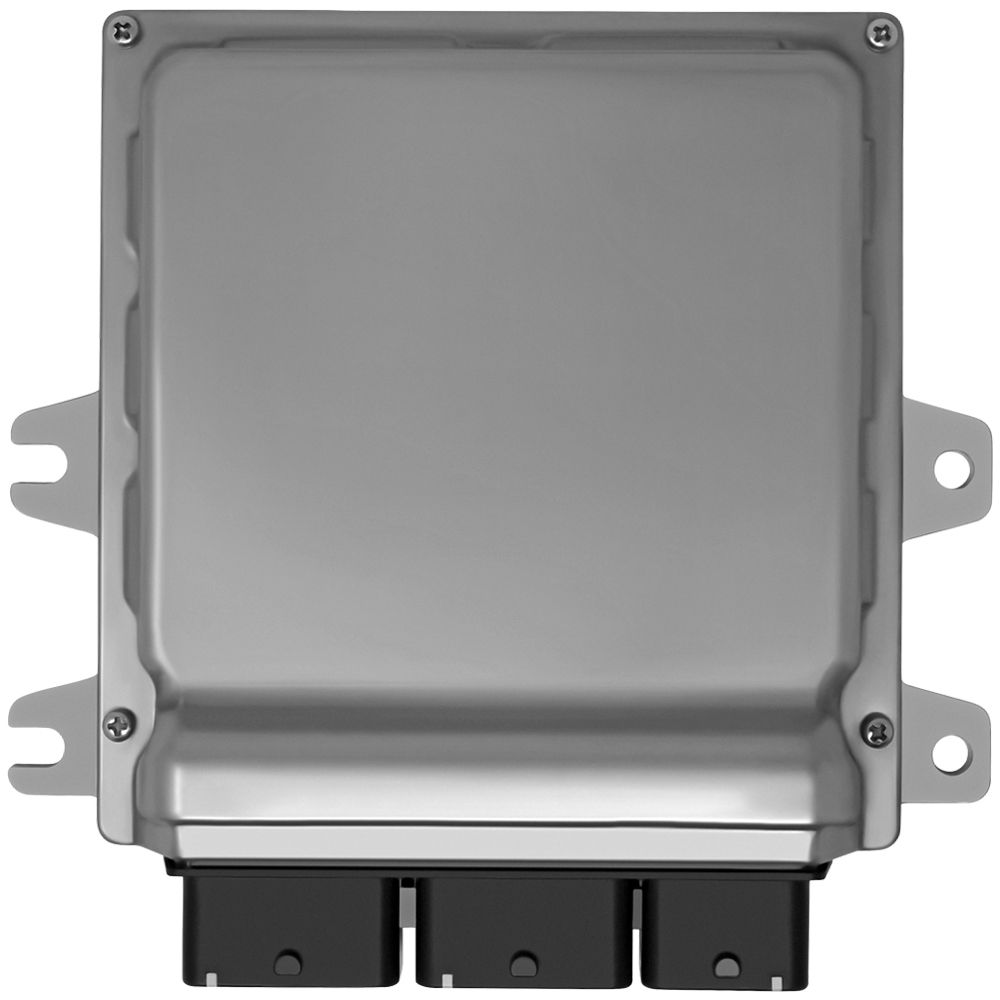
Flagship One stocks a refurbished, VIN-programmed PCM for the 2009 Nissan 350Z with a lifetime warranty, free shipping and no core charge. The full Nissan 350Z module lineup covers other engine configurations as well.
The Engine Control Module plays a vital role in the performance and drivability of your 2009 Nissan 350Z. When it fails, symptoms like stalling, rough idling, or a no-start condition can disrupt your driving experience. Understanding the module’s function, location, and replacement process helps you make informed decisions about repairs. Whether you choose to replace the ECM yourself or seek professional assistance, addressing the issue promptly ensures your 350Z remains reliable and enjoyable to drive. Keep an eye on warning signs and maintain your vehicle’s electrical system to prevent future ECM-related problems.