
Last updated on August 25th, 2026 at 12:16 pm
The powertrain control module (PCM) in the 2009 Dodge Caliber manages engine and transmission functions by processing sensor data. Failure may cause drivability issues, including stalling, poor acceleration, or communication errors with diagnostic tools.
When your 2009 Dodge Caliber begins exhibiting unusual behavior—such as stalling, rough idling, or an inability to start—it may signal an issue with the powertrain control module (PCM). This component acts as the brain of your vehicle’s engine and transmission, coordinating fuel delivery, ignition timing, and shift points based on real-time sensor inputs. A failing PCM can disrupt these processes, leading to frustrating and sometimes unpredictable performance. Understanding what the PCM does, where it’s located, and what replacement entails can help you make informed decisions. You’ll also learn how to recognize common failure symptoms and why proper programming is essential for restoring your Caliber’s reliability. Whether you’re troubleshooting an existing problem or preparing for a potential repair, this guide provides the details you need to proceed with confidence.
The powertrain control module (PCM) in the 2009 Dodge Caliber serves as the central computer for both engine and transmission management. It continuously monitors inputs from sensors—such as the throttle position, oxygen, and crankshaft sensors—to adjust fuel injection, ignition timing, and shift schedules in real time. This ensures optimal performance, fuel efficiency, and emissions compliance. When the PCM malfunctions, it can disrupt these critical functions, leading to poor drivability or even a complete no-start condition. Replacing the module isn’t just about swapping hardware; it requires precise calibration to match your vehicle’s specifications. For owners of the 2009 Dodge Caliber, replacement powertrain control modules for the Caliber are designed to restore factory-level operation, but proper installation and programming are key to avoiding further issues. Without a fully functional PCM, your vehicle may struggle to meet performance expectations or pass emissions tests.
2009 Dodge Caliber
OEM programmed ECM for your 2009 Dodge Caliber — plug & play, no dealer visit.
Free shipping · Lifetime warranty
In the 2009 Dodge Caliber, the PCM is positioned next to the air cleaner assembly, making it relatively accessible compared to some vehicles where the module is buried under the dashboard or behind the engine. The factory removal procedure involves disconnecting the battery, removing the air cleaner housing, and unbolting the module from its mount. Once exposed, the electrical connectors are carefully detached to avoid damaging the pins. Reinstallation follows the reverse steps, with the new module secured in place before reconnecting the wiring. Labor estimates for this job are straightforward: the book time for PCM removal and replacement is 0.5 hours, and an additional 0.5 hours is allocated for the required relearn procedure. While the physical swap is quick, ensuring proper alignment of connectors and verifying no corrosion or damage is present can prevent future electrical gremlins.
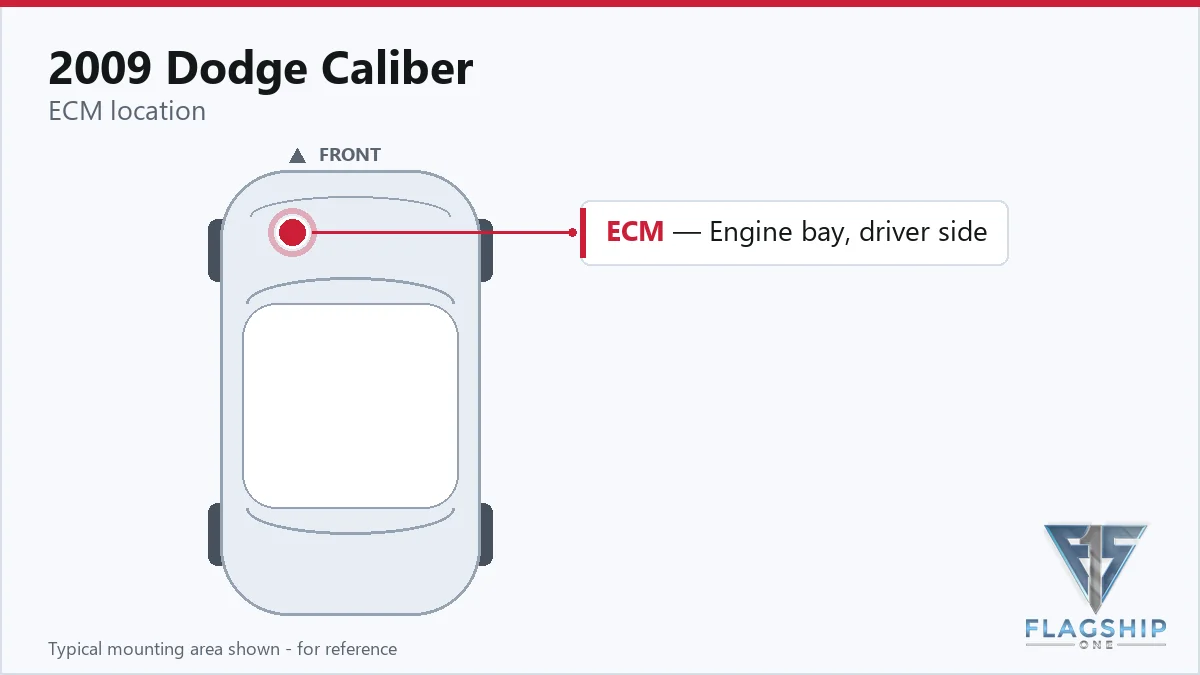
Work with the ignition off, and treat the module as static-sensitive: avoid touching the connector pins at any point.
| Operation | Configuration | Book Time |
|---|---|---|
| Powertrain Control Module R&R | All configurations | 0.5 hr |
| Engine Control Module Relearn | All configurations | 0.5 hr |
| Engine Control Module R&R | All configurations | 0.5 hr |
After installing a new powertrain control module in your 2009 Dodge Caliber, the factory procedure mandates reprogramming the unit with the vehicle’s original VIN and mileage. This step is critical because the PCM must synchronize with the engine and transmission to function correctly. Without this calibration, the module may fail to communicate with other systems, leading to drivability issues or even a no-start condition. The process requires a compatible scan tool to input the necessary data, ensuring the new module matches the vehicle’s specifications. However, if you opt for a VIN-programmed replacement unit, these steps are already completed before the part arrives. This eliminates the need for additional programming at the time of installation, saving time and reducing the risk of errors. Always confirm that the replacement module is fully compatible with your Caliber’s 2.0L engine to avoid compatibility issues.
A failing powertrain control module in the 2009 Dodge Caliber often announces itself through a range of drivability issues. One of the most common signs is a no-start condition, where the engine cranks but refuses to fire, often due to incorrect fuel or spark timing signals. Stalling or rough idling may also occur, particularly when the PCM struggles to maintain consistent engine speeds. Some drivers report hesitation or surging during acceleration, as the module fails to adjust fuel delivery properly. Diagnostic trouble codes, such as an internal processor fault, may appear, indicating the PCM’s inability to process data correctly. In some cases, the vehicle may enter a limp-home mode, limiting power to prevent further damage. Communication errors with a scan tool can also point to PCM failure, as the module may fail to respond to diagnostic requests. If you notice these symptoms, addressing the issue promptly can prevent more severe drivability problems down the road.
The 2009 Dodge Caliber’s powertrain control module may log specific trouble codes when internal faults occur. These codes help pinpoint issues within the module itself, rather than external sensors or actuators. Understanding these codes can guide your troubleshooting efforts and clarify whether replacement is necessary.
| Code | Meaning | Full Guide |
|---|---|---|
| P0606 | Module processor failure | Full P0606 guide → |
Factory service bulletin #18-030-08 Rev. A addresses issues related to Diagnostic Trouble Code P2002, which indicates the diesel particulate filter efficiency is below the threshold or the vehicle is in limp-in mode. While the 2009 Dodge Caliber with the 2.0L engine is not a diesel, this bulletin highlights the importance of addressing PCM-related codes promptly to avoid drivability limitations. If your vehicle exhibits similar symptoms, reviewing this bulletin may provide insights into potential software or calibration updates that could resolve the issue without hardware replacement.
| Bulletin | Subject | What It Addresses |
|---|---|---|
| 18-030-08 Rev. A | 18-030-08 Rev. A Flash: Diagnostic Trouble Code P2002 – Diesel Particulate Filter Efficiency Be | — |
Common signs include a no-start condition, stalling, rough idling, or diagnostic trouble codes like P0606. If the vehicle enters limp-home mode or fails to communicate with a scan tool, the PCM may be at fault. Testing other components, such as sensors and wiring, can help rule out external issues.
While the physical replacement is straightforward, programming the new module requires a scan tool and access to the vehicle’s original VIN and mileage. If you’re not equipped for this step, professional installation is recommended to avoid drivability issues.
Without reprogramming, the new PCM may not communicate with the engine or transmission, leading to poor performance, stalling, or a no-start condition. The module must be calibrated to match your vehicle’s specifications for proper operation.
While no recalls are documented for this specific issue, factory service bulletins like #18-030-08 Rev. A address related drivability concerns. Checking with a dealer for software updates may resolve some PCM-related symptoms without hardware replacement.
The book time for PCM removal and replacement is 0.5 hours, with an additional 0.5 hours allocated for the relearn procedure. However, actual time may vary depending on the technician’s familiarity with the process and any additional diagnostics required.
If your 2009 Dodge Caliber is experiencing PCM-related issues, you have options for restoring reliable performance. A new or remanufactured replacement module can address hardware failures, while ensuring proper programming eliminates the risk of drivability problems. Given the critical role of the PCM in engine and transmission management, choosing a unit that meets factory specifications is essential. Whether you opt for a dealer-supplied part or a pre-programmed aftermarket solution, confirming compatibility with your vehicle’s 2.0L engine will help avoid further complications.
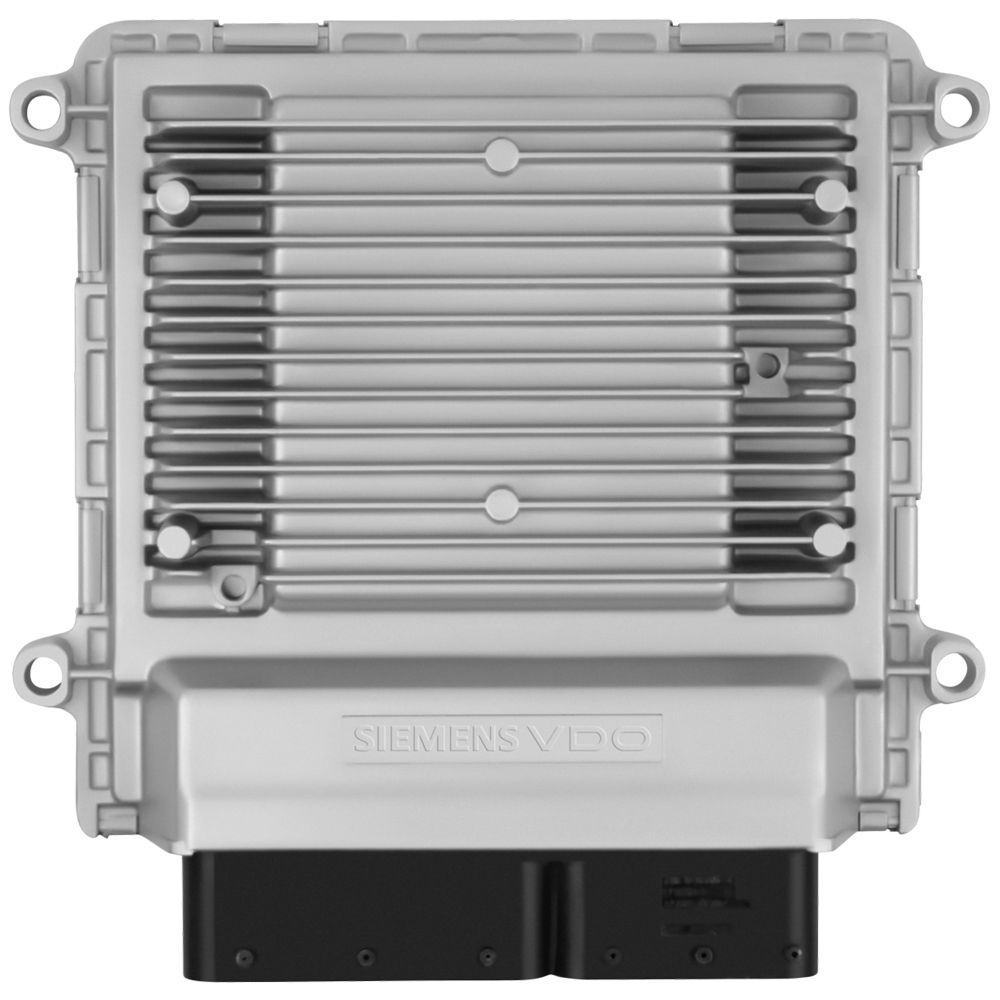
Flagship One stocks a refurbished, VIN-programmed PCM for the 2009 Dodge Caliber with a lifetime warranty, free shipping and no core charge. The full Dodge Caliber module lineup covers other engine configurations as well.
The powertrain control module in your 2009 Dodge Caliber plays a vital role in ensuring smooth and reliable operation. When it fails, symptoms like stalling, no-start conditions, or diagnostic trouble codes can disrupt your driving experience. Understanding the replacement process, from location and labor time to programming requirements, helps you make informed decisions about repairs. If you suspect PCM issues, addressing them promptly can restore your vehicle’s performance and prevent more costly problems down the road.