
Last updated on August 25th, 2026 at 02:07 pm
The powertrain control module (PCM) in your 2008 Lexus LS460 manages engine and transmission functions. Failures may cause erratic performance, no-start conditions, or internal fault codes like P0606.
If your 2008 Lexus LS460 is experiencing unexplained stalling, rough idle, or a no-start condition, the powertrain control module (PCM) may be the cause. This critical component oversees engine and transmission operations, ensuring smooth performance. Replacing or servicing the PCM requires careful attention to factory procedures to avoid triggering airbag systems or losing navigation data. Understanding the steps involved helps you make informed decisions about repairs, whether you’re handling it yourself or working with a technician. This guide covers what the PCM does, where it’s located, and what to expect during replacement and reprogramming.
The powertrain control module in your 2008 Lexus LS460 acts as the brain for both the engine and transmission. It processes sensor data to optimize fuel delivery, ignition timing, and shift points, ensuring efficient performance. A malfunctioning PCM may disrupt these functions, leading to poor drivability or even leaving you stranded. If replacement becomes necessary, you’ll need replacement engine computers for the LS460, which are designed to integrate seamlessly with your vehicle’s systems. Proper installation and programming are essential to restore full functionality and avoid further issues.
Engine computer (ECM/PCM)
OEM programmed replacements — plug & play, no dealer visit.
Find yours by year, make & model →
Free shipping · Lifetime warranty
The PCM in your 2008 Lexus LS460 is typically mounted near the engine bay, though exact placement may vary. Replacing it involves disconnecting the battery, removing the module, and installing the new unit. Factory labor estimates allocate 0.5 hours for removal and reinstallation. After disconnecting the negative battery terminal, you must wait at least 90 seconds to prevent accidental airbag deployment. The process is straightforward but requires attention to detail to avoid damaging connectors or triggering fault codes during reinstallation.
| Operation | Configuration | Book Time |
|---|---|---|
| Powertrain Control Module Relearn | All configurations | 0.5 hr |
| Powertrain Control Module R&R | All configurations | 0.5 hr |
| Engine Control Module R&R | All configurations | 0.5 hr |
| Engine Control Module Relearn | All configurations | 0.5 hr |
After installing a new PCM in your 2008 Lexus LS460, the factory requires a relearn procedure, which typically takes 0.5 hours. This step ensures the module synchronizes with your vehicle’s sensors and systems. However, if you opt for a VIN-programmed replacement unit, these steps are already completed, saving you time and reducing the risk of programming errors. Always follow the manufacturer’s guidelines to avoid issues with engine performance or transmission behavior after replacement.
A failing PCM in your 2008 Lexus LS460 may cause a range of symptoms, including intermittent stalling, rough idle, or a complete no-start condition. You might also notice poor acceleration, erratic shifting, or warning lights on the dashboard. Internal faults like an internal processor error often indicate the module is struggling to communicate with other systems. If your scan tool fails to connect or logs multiple unrelated codes, the PCM itself may be the root cause rather than individual sensors or components.
Your 2008 Lexus LS460 may log specific trouble codes when the PCM begins to fail. These codes help pinpoint internal issues within the module, guiding diagnostics and repairs.
| Code | Meaning | Full Guide |
|---|---|---|
| P0606 | Module processor failure | Full P0606 guide → |
Lexus has issued service bulletins outlining ECU reprogramming procedures for various models, including your 2008 LS460. Bulletin L-TCI-2401 covers Techstream ECU flash reprogramming for applicable Lexus vehicles in Canada, while L-SB-0015-10 addresses similar procedures for a broader range of Lexus models. These bulletins provide step-by-step guidance for updating or restoring module software, which may resolve certain drivability issues without requiring a full replacement.
| Bulletin | Subject | What It Addresses |
|---|---|---|
| — | ’01-08 All Applicable Lexus Models: Techstream ECU Flash Reprogramming Procedure (Canada) | — |
| — | 01-11 Applicable Lexus Vehicles: Techstream ECU Flash Reprogramming Procedure | — |
The relearn procedure ensures the new PCM synchronizes with your vehicle’s sensors and systems. Without it, the module may not interpret data correctly, leading to poor performance or fault codes. The process typically takes 0.5 hours and is required to restore full functionality.
Replacing the PCM is mechanically straightforward, with a labor time of 0.5 hours for removal and installation. However, programming and relearn procedures require specialized tools and knowledge. If you’re not experienced with automotive electronics, it’s best to have a professional handle the job.
Failing to wait 90 seconds after disconnecting the negative battery terminal may trigger the airbag system or seat belt pretensioners. This safety precaution is critical to avoid accidental deployment, which could cause injury or require costly repairs.
If your 2008 Lexus LS460 is experiencing PCM-related issues, you have options. A repair may address minor faults, but a replacement is often the most reliable solution. Whether you choose a new or refurbished unit, ensure it’s programmed for your vehicle to avoid additional labor costs. Understanding the process helps you make an informed decision that restores performance and reliability.
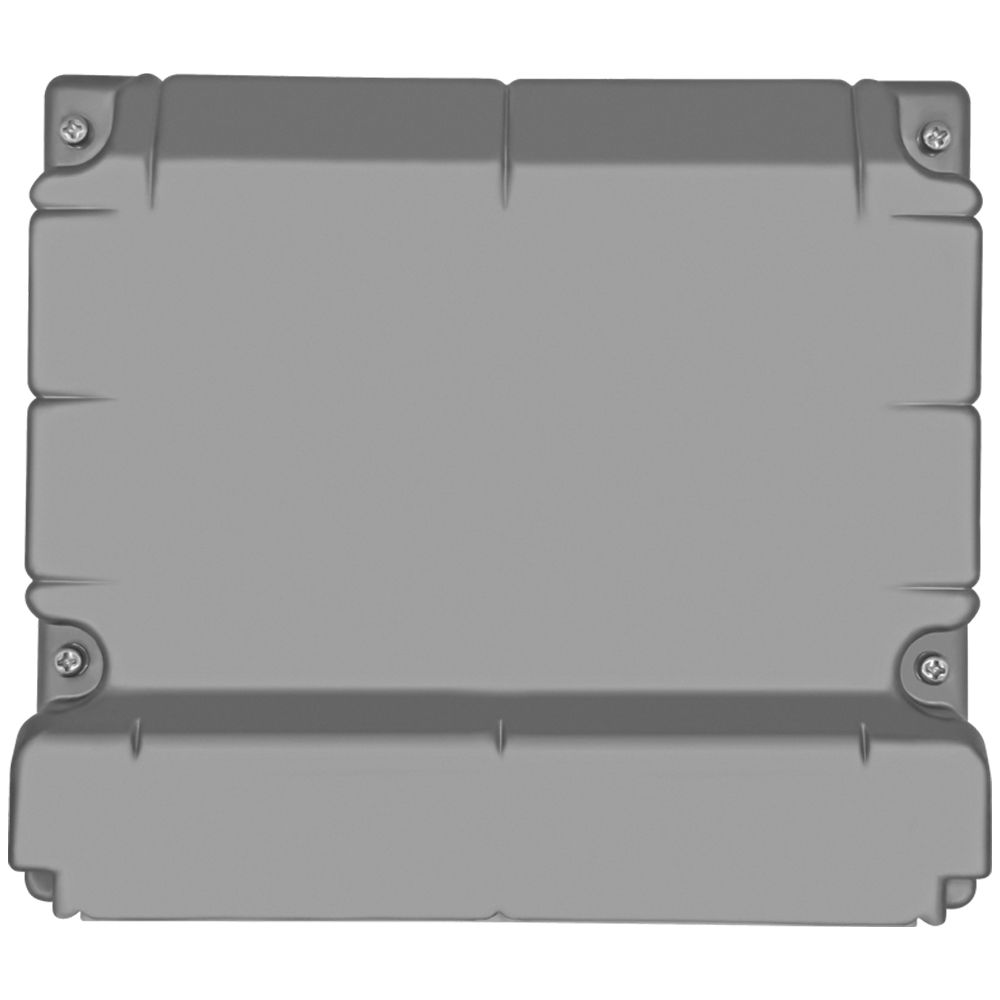
Flagship One stocks a refurbished, VIN-programmed PCM for the 2008 Lexus LS460 with a lifetime warranty, free shipping and no core charge. The full Lexus LS460 module lineup covers other engine configurations as well.
The powertrain control module in your 2008 Lexus LS460 plays a vital role in engine and transmission performance. If you’re facing drivability issues or internal fault codes, addressing the PCM promptly can prevent further complications. Whether you opt for a repair or replacement, following factory procedures ensures a smooth process and long-term reliability for your vehicle.