
Last updated on August 25th, 2026 at 02:25 pm
The powertrain control module (PCM) or engine control module (ECM) in your 2008 Chevrolet Equinox 3.4L manages engine and transmission operations. Failure can cause no-start, stalling, MIL illumination, and internal trouble codes like P0601, P0602, P0603, P0604, P062F, or P1621.
If you are replacing the engine control module (ECM) or powertrain control module (PCM) on your 2008 Chevrolet Equinox 3.4L, there are several critical steps to follow. The ECM controls fuel injection, ignition timing, and transmission shifting. Failure to follow factory cautions can lead to incorrect oil life and transmission fluid life readings. This guide explains the replacement procedure, the required programming steps, and how Flagship One pre-programmed units simplify the job. You will learn about common symptoms of a failing module, the trouble codes to expect, and the service bulletins that address known issues. The goal is to help you complete the repair correctly the first time.
The engine control module (ECM) in your 2008 Chevrolet Equinox 3.4L is the central computer that manages engine performance, including fuel delivery, spark timing, and emissions controls. It also communicates with the transmission control module to ensure smooth shifting. When the ECM fails, the vehicle may not start, may stall, or may run poorly. The module stores diagnostic trouble codes that help pinpoint the problem. For this vehicle, replacement engine computers for the Equinox are available that come pre-programmed to your VIN, saving you the time and expense of dealer reprogramming. Understanding what the ECM does and how to replace it correctly is essential for a lasting repair.
2008 Chevrolet Equinox 3.4L
OEM programmed ECM for your 2008 Chevrolet Equinox 3.4L — plug & play, no dealer visit.
Free shipping · Lifetime warranty
The ECM on the 2008 Chevrolet Equinox 3.4L is located in the engine compartment, typically mounted near the air cleaner housing or on the firewall. To replace it, first disconnect the negative battery cable. Then remove the electrical connectors and unbolt the module from its bracket. The factory book time for removal and replacement of the PCM or ECM is 0.9 hours. After installation, a 0.5-hour relearn procedure is required. Be sure to follow the factory caution: before removing the ECM, use a scan tool to capture all module data, as this data must be restored into the new unit. Also record the remaining engine oil life and automatic transmission fluid life to avoid default values.
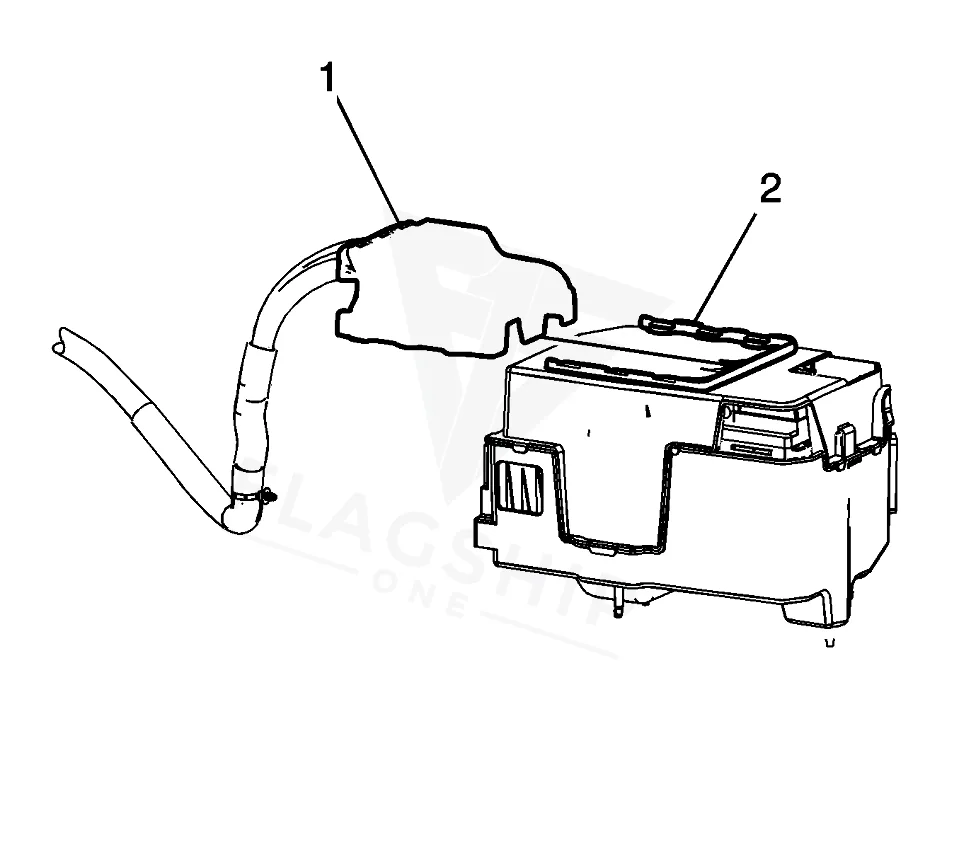
Work with the ignition off, and treat the module as static-sensitive: avoid touching the connector pins at any point.
| Operation | Configuration | Book Time |
|---|---|---|
| Powertrain Control Module R&R | All configurations | 0.9 hr |
| Engine Control Module R&R | All configurations | 0.9 hr |
| Engine Control Module Relearn | All configurations | 0.5 hr |
After installing a new ECM in your 2008 Chevrolet Equinox 3.4L, the factory procedure requires reprogramming the PCM. This involves using special equipment and the correct program and calibration for the vehicle. Additionally, you must program the remaining engine oil life and automatic transmission fluid life; otherwise, both will default to 100 percent. The captured ECM data from the old module must be restored into the new one. Flagship One offers a VIN-programmed replacement unit that arrives with the correct software already loaded, so these post-install steps are already completed. This eliminates the need for a scan tool and dealer visit.
A failing ECM in the 2008 Chevrolet Equinox 3.4L can cause a variety of drivability issues. Common symptoms include the engine not starting, intermittent stalling, rough idle, misfire, and the check engine light illuminating. You may also experience transmission shifting problems or a complete loss of communication with a scan tool. The module may store internal trouble codes such as P0601, P0602, P0603, P0604, P062F, or P1621. For example, internal control module memory error indicates a fault within the ECM itself. If you notice any of these symptoms, diagnosing the ECM early can prevent further damage.
The following diagnostic trouble codes are specific to the ECM/PCM internal faults for the 2008 Chevrolet Equinox 3.4L. These codes indicate a problem within the module itself rather than an external sensor or circuit.
| Bulletin | Subject | What It Addresses |
|---|---|---|
| — | Oil Life Monitor Calibration Update – Reprogram Engine Control Module – (Aug 3, 2012) | — |
| 07-06-04-035 | 3.6L LY7 Engine – MIL/SES Light Illuminated, DTC P2610 Stored (Reprogram ECM) – (Dec 18, 2007) | Some customers may comment that the MIL/SES light is illuminated. Upon further investigation, technicians may find Diagnostic Trouble Code (DTC) P2610 –… |
The factory book time for removing and replacing the PCM or ECM is 0.9 hours. An additional 0.5 hours is required for the relearn procedure after installation.
Yes, the factory procedure requires reprogramming the PCM and restoring captured data. You must also program the remaining engine oil life and transmission fluid life. Flagship One units arrive VIN-programmed, so these steps are already completed.
Common internal ECM fault codes include P0601, P0602, P0603, P0604, P062F, and P1621. These indicate memory or performance issues within the module itself.
When your 2008 Chevrolet Equinox 3.4L needs a new ECM, you have options: repair the original module or replace it with a refurbished unit. A pre-programmed replacement from Flagship One eliminates the need for dealer reprogramming and ensures the oil life and transmission fluid life settings are correct. This saves time and reduces the chance of errors during installation.
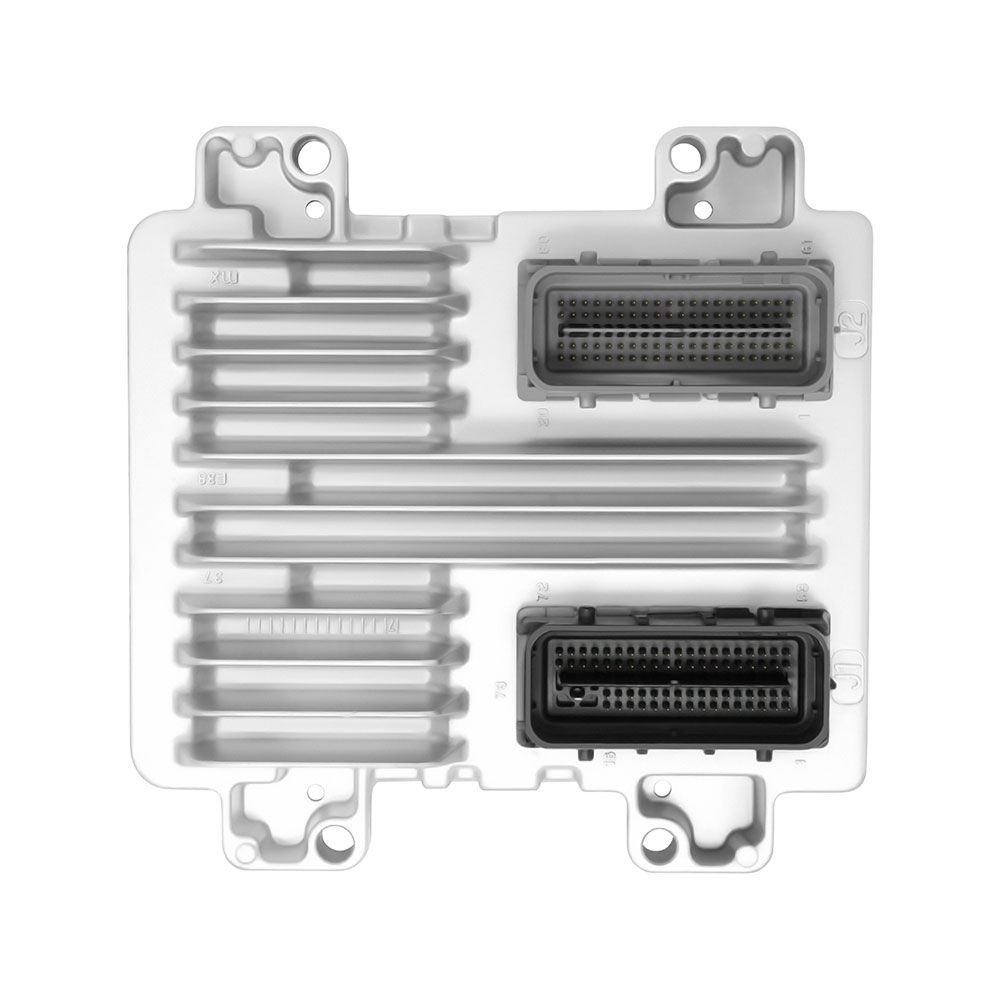
Flagship One stocks a refurbished, VIN-programmed PCM for the 2008 Chevrolet Equinox with a lifetime warranty, free shipping and no core charge. The full Chevrolet Equinox module lineup covers other engine configurations as well.
Replacing the ECM in your 2008 Chevrolet Equinox 3.4L requires careful attention to factory procedures, including data capture and programming. Flagship One offers a convenient solution with VIN-programmed units that arrive ready to install. By following the steps outlined here, you can restore your vehicle’s performance and avoid common pitfalls.