
Last updated on August 25th, 2026 at 02:19 pm
The engine control module in a 2007 Cadillac XLR‑V manages fuel delivery, ignition timing, and emission controls. Failure typically stems from corrupted software, voltage spikes, or connector damage, leading to loss of engine control and related diagnostic codes.
When a 2007 Cadillac XLR‑V begins to exhibit hard‑starting, stalling, or erratic power‑train behavior, the engine control module (ECM) often lies at the heart of the issue. Understanding how the ECM functions, what the factory cautions entail, and how to correctly replace and program the unit can save you time and prevent costly damage. This guide walks you through the module’s role, the removal and installation steps, the required programming actions, and the typical symptoms that point to an ECM problem, so you can make an informed decision about repair or replacement.
In the 2007 Cadillac XLR‑V, the engine control module serves as the central computer that monitors sensor inputs, controls fuel injection, ignition timing, and emission systems, and communicates with the powertrain control module. It ensures that the V8 engine runs smoothly across all conditions, adjusting parameters in real time to meet performance and emissions standards. Because the ECM processes low‑voltage signals, any disruption can cause a cascade of faults, making its proper operation critical for drivability. The module’s firmware also stores calibration data unique to each vehicle, which must be retained or correctly restored after service. replacement engine control modules for the 2007 Cadillac XLR‑V maintain these functions when the original unit fails.
The ECM is mounted within the engine compartment, accessible after disconnecting the battery and any add‑on electrical equipment. Labor time for removal and installation is listed as 1.4 hours, with an additional 0.5 hour required for the relearn process after the unit is in place. Technicians should follow the factory caution to connect any aftermarket equipment at the battery to avoid damage, and they must refrain from touching the connector pins to prevent electrostatic discharge. The process typically involves unplugging the ECM harness, removing mounting bolts, installing the new unit, and re‑attaching all connections before proceeding to programming.
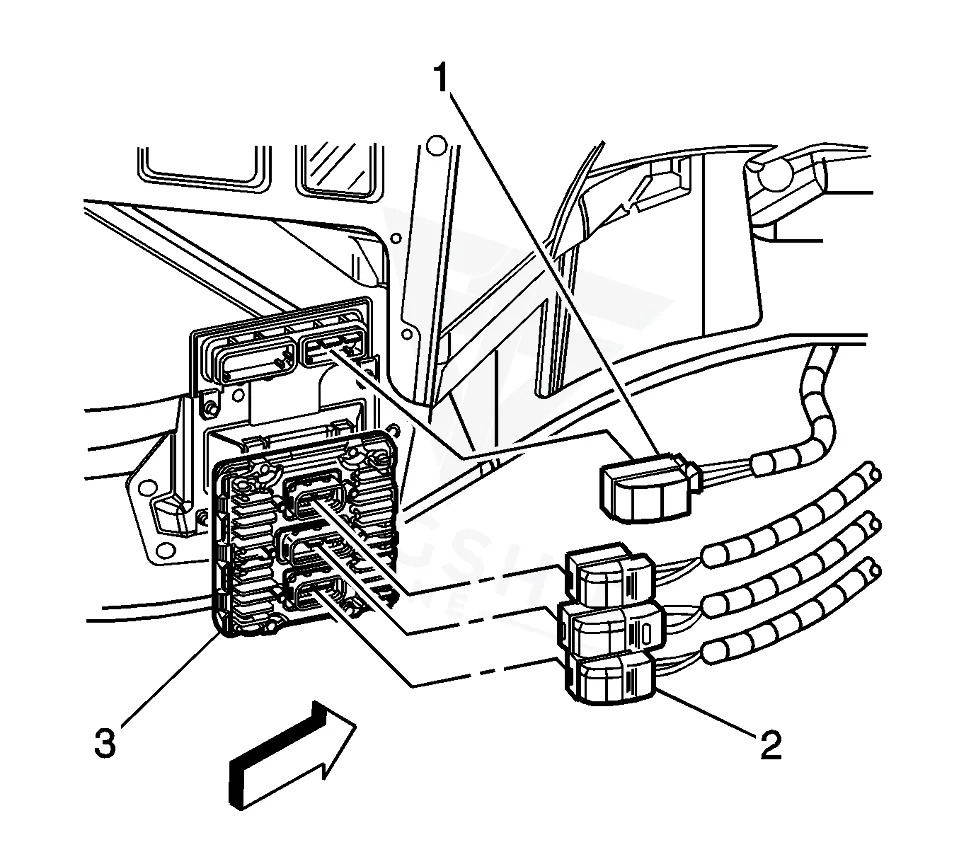
Work with the ignition off, and treat the module as static-sensitive: avoid touching the connector pins at any point.
| Operation | Configuration | Book Time |
|---|---|---|
| Powertrain Control Module R&R | All configurations | 1.4 hr |
| Powertrain Control Module Relearn | All configurations | 0.5 hr |
| Engine Control Module R&R | All configurations | 1.4 hr |
| Engine Control Module Relearn | All configurations | 0.5 hr |
2007 Cadillac XLR‑V
OEM programmed ECM for your 2007 Cadillac XLR‑V — plug & play, no dealer visit.
Free shipping · Lifetime warranty
After the ECM is physically installed, the factory procedure calls for capturing the original module’s data with a scan tool before removal and then restoring that data into the new unit. A special programming interface and the correct calibration file are required to complete the re‑programming step. Flagship One supplies each replacement already VIN‑programmed, so the data capture and restore steps are already satisfied when you receive the unit. a VIN‑programmed replacement unit eliminates the need for additional on‑site calibration, allowing you to move directly to the relearn procedures.
Common signs that the ECM in a 2007 Cadillac XLR‑V is malfunctioning include intermittent no‑start conditions, rough idle, sudden loss of power, and unexpected stalling. Drivers may also notice the check engine light flashing and experience poor fuel economy. Diagnostic trouble codes often appear, such as internal control fault indicating a processor core issue, along with other P060x series codes that point to internal module failures. Communication with scan tools can become erratic, and the transmission may shift harshly if the powertrain control module cannot receive proper signals from the ECM.
The following diagnostic trouble codes are commonly recorded by the engine control module in this vehicle:
Service bulletin #08128 provides an OBD system update that includes a re‑programming step for the engine control module. The bulletin remains valid for eight years or 80,000 mi, aligning with the emission controller warranty period.
| Bulletin | Subject | What It Addresses |
|---|---|---|
| — | Service Update for Inventory and Customer Vehicles-OBD System Improvements-Reprogram Engine Con | — |
Failure can result from corrupted software, exposure to voltage spikes, poor grounding, or physical damage to the connector pins. Environmental factors such as moisture ingress may also contribute.
Factory guidance requires a scan tool to capture and restore data, plus the correct calibration file. A VIN‑programmed replacement from Flagship One already includes this data, removing the need for on‑site programming equipment.
The book time for removal and installation is 1.4 hours, with an additional 0.5 hour for the relearn process. Total labor is typically around two hours.
Yes, because the ECM communicates with the powertrain control module, a failure can lead to harsh or delayed shifting, as the transmission may not receive correct speed or torque data.
If you follow the factory cautions—disconnect the battery, avoid touching connector pins, and use proper grounding—you can replace the unit, but programming steps usually require professional tools.
When the engine control module in your 2007 Cadillac XLR‑V shows signs of failure, you can choose a repair that restores the original unit or opt for a refurbished replacement that meets factory specifications. Both approaches require careful handling of the data capture and relearn steps, but a VIN‑programmed replacement simplifies the process by arriving ready for installation.
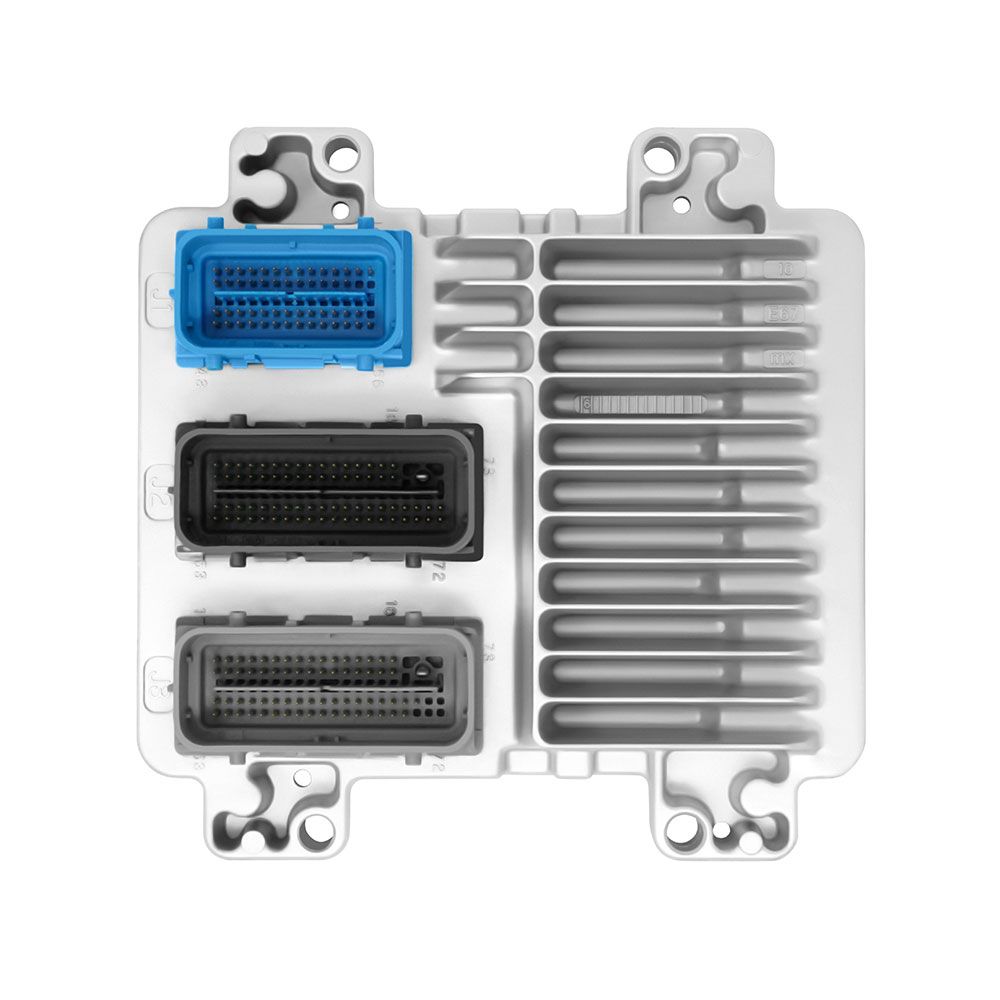
Flagship One stocks a refurbished, VIN-programmed PCM for the 2007 Cadillac XLR-V with a lifetime warranty, free shipping and no core charge. The full Cadillac XLR-V module lineup covers other engine configurations as well.
The 2007 Cadillac XLR‑V relies on a correctly functioning engine control module for reliable performance. Whether you repair the original or install a Flagship One replacement, following the documented procedures ensures your vehicle returns to smooth operation. Consider your options and choose the path that best fits your schedule and confidence level.