
Last updated on August 25th, 2026 at 01:02 pm
The Powertrain Control Module (PCM) in your 2006 Mercury Milan manages engine performance and transmission behavior. When it fails, you may experience erratic shifting, stalling, or a complete no-start condition. Internal memory faults often trigger warning lights or prevent communication with diagnostic tools.
If your 2006 Mercury Milan has developed unexplained stalling, rough idle, or transmission hesitation, the Powertrain Control Module (PCM) may be the culprit. This small but critical computer manages everything from fuel injection to shift timing, and when it fails, symptoms can range from subtle driveability issues to a complete no-start condition. Unlike sensors or solenoids, PCM problems often don’t trigger obvious warning lights, making diagnosis tricky for even experienced mechanics. Replacing the module itself is straightforward, but the real challenge lies in the programming and relearn procedures required afterward. Understanding these steps—and how a pre-programmed replacement can simplify the process—can save you time, frustration, and unnecessary trips to the dealer. This guide covers what the PCM does in your Milan, how to recognize failure symptoms, and what to expect during replacement and programming.
The Powertrain Control Module (PCM) in your 2006 Mercury Milan serves as the brain of both the engine and transmission. It continuously monitors inputs from sensors—like throttle position, engine speed, and oxygen levels—to adjust fuel delivery, ignition timing, and shift points in real time. This ensures optimal performance, fuel efficiency, and emissions compliance. When the PCM malfunctions, it can disrupt these calculations, leading to poor acceleration, erratic shifting, or even a vehicle that refuses to start. Unlike older vehicles with separate engine and transmission computers, the Milan’s PCM integrates both functions into a single unit, which means a failure can affect multiple systems simultaneously. If you’re experiencing issues that don’t align with a specific sensor or mechanical problem, the PCM may be the root cause. Replacing it involves installing replacement powertrain control modules for the Milan, but the process doesn’t end there—factory procedures require additional programming steps to ensure the new unit communicates properly with the vehicle’s other systems.
The PCM in your 2006 Mercury Milan is located in the engine bay, typically mounted near the firewall or on the passenger-side fender well. Accessing it requires removing a few plastic covers and possibly the air intake duct, but the module itself is secured with a few bolts or screws. According to factory labor estimates, removing and replacing the PCM takes about 0.8 hours. This includes disconnecting the battery, unplugging the wiring harness, and reinstalling the new unit. While the physical swap is straightforward, it’s important to handle the module carefully—static electricity or improper handling can damage sensitive internal components. After installation, the battery must be reconnected, and the vehicle will require a relearn procedure, which adds another 0.5 hours of labor. This step ensures the PCM synchronizes with the engine and transmission, preventing driveability issues like rough idle or erratic shifting.
Work with the ignition off, and treat the module as static-sensitive: avoid touching the connector pins at any point.
| Operation | Configuration | Book Time |
|---|---|---|
| Engine Control Module Relearn | All configurations | 0.5 hr |
| Engine Control Module R&R | All configurations | 0.8 hr |
| Powertrain Control Module R&R | All configurations | 0.8 hr |
| Powertrain Control Module Relearn | All configurations | 0.5 hr |
2006 Mercury Milan
OEM programmed ECM for your 2006 Mercury Milan — plug & play, no dealer visit.
Free shipping · Lifetime warranty
After installing a new PCM in your 2006 Mercury Milan, the factory procedure requires reprogramming the Passive Anti-Theft System (PATS) to ensure the vehicle starts and runs properly. This step is critical because the PATS system prevents unauthorized engine starts by verifying a coded key signal. Without reprogramming, the new PCM won’t recognize your key, leaving the vehicle immobilized. Additionally, the PCM must undergo a relearn procedure, which typically takes 0.5 hours, to synchronize with the engine and transmission. These steps often require a dealer visit, as they involve specialized diagnostic tools and software. However, a VIN-programmed replacement unit from Flagship One arrives pre-configured for your specific Milan, eliminating the need for PATS reprogramming and reducing the overall installation time. This means you can skip the dealer trip and get your vehicle back on the road faster, with fewer opportunities for programming errors or delays.
A failing PCM in your 2006 Mercury Milan can manifest in several ways, often mimicking other issues like sensor failures or transmission problems. One of the most common symptoms is a no-start condition, where the engine cranks but refuses to fire. This may occur intermittently or become permanent as the failure progresses. Stalling is another frequent issue, particularly at idle or during deceleration, as the PCM struggles to maintain proper fuel and spark delivery. You might also notice erratic shifting, where the transmission hesitates or jerks between gears, especially in the 2.3L models with automatic transmissions. Some owners report a rough idle or surging, even when the check engine light remains off—this aligns with documented service bulletins for the Milan. On the diagnostic side, a dead scan tool connection or the presence of module-internal trouble codes like an internal control module memory checksum error can indicate PCM failure. These codes often don’t point to a specific sensor but instead suggest corruption in the PCM’s memory or processing capabilities. If your Milan exhibits any of these symptoms without a clear mechanical cause, the PCM should be considered a likely suspect.
When the PCM in your 2006 Mercury Milan fails, it may generate one or more trouble codes stored in its memory. These codes can help pinpoint the issue, though they often require further diagnosis to confirm the PCM itself is the root cause. Below are the module-internal trouble codes documented for this vehicle.
Ford issued several service bulletins for the 2006 Mercury Milan addressing driveability and transmission concerns that may indirectly relate to PCM performance. TSB 06-16-08 covers engine noise and delayed transmission upshifts in 2.3L models with automatic transmissions, noting that low idle RPM can contribute to these symptoms even when no diagnostic trouble codes are present. Another bulletin, 07-23-15, addresses DTCs P2100 and P2110, which indicate throttle actuator control issues in 3.0L engines. While these bulletins don’t explicitly call for PCM replacement, they highlight calibration updates and software fixes that may be necessary to resolve persistent symptoms. If your Milan exhibits shifting delays, rough idle, or throttle-related codes, reviewing these bulletins with your mechanic could help determine whether a PCM update or replacement is warranted.
| Bulletin | Subject | What It Addresses |
|---|---|---|
| 07-02-03 | 3.0L – AISIN F21 AUTO TRANS – PCM/TCM CALIBRATION UPDATES – VARIOUS DRIVEABILITY/TRANSMISSION S | — |
| 06-16-08 | ENGINE NOISE ASSOCIATED WITH DELAYED TRANSMISSION UP-SHIFT WITH MIL OFF AND NO DTC WITH 2.3L EN | — |
| 07-23-15 | 3.0L – DTC P2100 AND P2110 IN MEMORY – MIL ON | — |
Driving with a failing PCM is risky, as it can lead to sudden stalling, loss of power, or transmission failure. While the vehicle may run intermittently, these symptoms often worsen over time. If you notice rough idle, erratic shifting, or a no-start condition, have the PCM diagnosed promptly to avoid being stranded.
If your vehicle exhibits symptoms like stalling, no-start, or transmission hesitation without stored codes, reprogramming may resolve the issue. However, if module-internal codes like P0601 or P0606 are present, or if reprogramming fails to fix the problem, the PCM itself may need replacement. A diagnostic scan can help determine the best course of action.
The Passive Anti-Theft System (PATS) uses a coded signal from your key to authorize engine starts. When the PCM is replaced, it loses this authorization data, so the system must be reprogrammed to recognize your key. Without this step, the vehicle will crank but won’t start, even with a new PCM installed.
The physical replacement is straightforward and can be done at home with basic tools, but the programming and relearn procedures require specialized equipment. If you install a VIN-programmed unit from Flagship One, you can skip the dealer programming, but you’ll still need to perform the relearn procedure or have a shop complete it for you.
In your Milan, the Powertrain Control Module (PCM) combines the functions of an Engine Control Module (ECM) and a Transmission Control Module (TCM) into a single unit. This means it manages both engine performance and transmission behavior, unlike some vehicles that use separate modules for these systems.
If your 2006 Mercury Milan is experiencing PCM-related issues, you have two main options: repair or replacement. While reprogramming or repairing the existing module may work for minor issues, persistent symptoms like stalling, no-start, or transmission problems often require a full replacement. Opting for a pre-programmed unit eliminates the need for dealer programming, saving you time and potential headaches. Whether you choose to tackle the installation yourself or leave it to a professional, understanding the process ensures you make an informed decision that gets your Milan back on the road reliably.
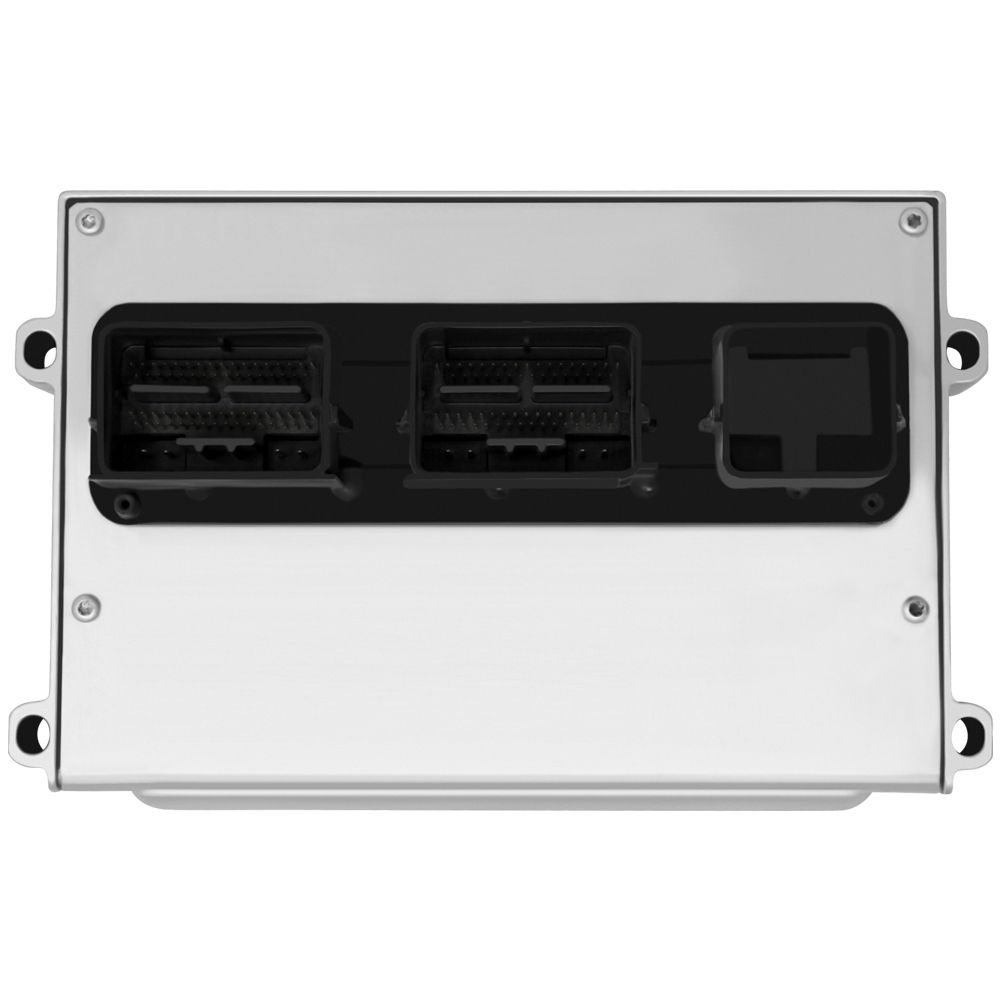
Flagship One stocks a refurbished, VIN-programmed PCM for the 2006 Mercury Milan with a lifetime warranty, free shipping and no core charge. The full Mercury Milan module lineup covers other engine configurations as well.
The PCM in your 2006 Mercury Milan plays a critical role in keeping your vehicle running smoothly, and when it fails, the symptoms can be frustrating and unpredictable. From stalling and rough idle to transmission hesitation and no-start conditions, a faulty PCM can disrupt your daily driving in ways that are difficult to diagnose. By recognizing the signs of failure early and opting for a VIN-programmed replacement, you can avoid unnecessary dealer trips and get your Milan back to its reliable self. Whether you’re a DIY enthusiast or prefer professional installation, understanding the process ensures a smoother repair experience.