
Last updated on August 25th, 2026 at 12:53 pm
The Powertrain Control Module (PCM) in your 2006 Chrysler PT Cruiser manages engine and transmission functions. A failing PCM may cause erratic performance, no-start conditions, or internal memory faults, disrupting critical vehicle operations.
If your 2006 Chrysler PT Cruiser is experiencing unexplained stalling, a no-start condition, or an illuminated check engine light with an internal PCM code, the Powertrain Control Module may be at fault. This critical component acts as the brain of your vehicle’s engine and transmission, coordinating fuel injection, ignition timing, and shift points. When it fails, symptoms can range from subtle performance hiccups to complete immobilization. Replacing the PCM isn’t just about swapping hardware—it requires precise programming to match your vehicle’s VIN, ensuring seamless operation. Understanding the role of this module, how to identify its failures, and what replacement entails can save you time and frustration. Whether you’re diagnosing a persistent code or preparing for a repair, knowing the specifics of your PT Cruiser’s PCM helps you make informed decisions about maintenance and replacement options.
The Powertrain Control Module (PCM) in your 2006 Chrysler PT Cruiser is a combined engine and transmission control unit. It continuously monitors sensor inputs—like throttle position, engine speed, and oxygen levels—to adjust fuel delivery, ignition timing, and shift schedules in real time. This ensures optimal performance, fuel efficiency, and emissions compliance. A faulty PCM may misinterpret sensor data, leading to poor acceleration, erratic shifting, or even a complete no-start condition. Because the PCM also governs communication with the vehicle’s onboard diagnostics, a failure can prevent a scan tool from retrieving trouble codes, complicating diagnosis. When replacing the module, you’ll need replacement engine computers for the PT Cruiser that are compatible with the 2.4L engine. The PCM’s role is so central that even minor glitches can trigger a cascade of drivability issues, making timely attention critical.
2006 Chrysler PT Cruiser
OEM programmed replacements — plug & play, no dealer visit.
Find yours by year, make & model →
Free shipping · Lifetime warranty
In the 2006 Chrysler PT Cruiser, the PCM is located behind the battery tray on the driver’s side of the engine compartment. Accessing it requires removing the battery and its tray, along with any associated wiring or mounting hardware. The module is secured with bolts, which must be torqued to specification during reinstallation to ensure a proper ground connection. Replacement typically involves disconnecting the wiring harness, removing the old module, and installing the new one in its place. While the physical swap is straightforward, the labor time reflects the care needed to avoid damaging connectors or misaligning the module. Always inspect the wiring and connectors for corrosion or wear before installation, as these can contribute to future PCM issues.
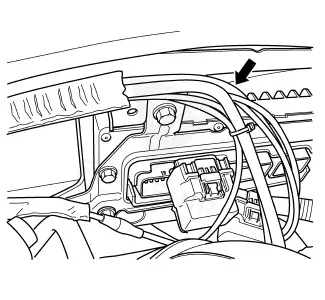
Work with the ignition off, and treat the module as static-sensitive: avoid touching the connector pins at any point.
After replacing the PCM in your 2006 Chrysler PT Cruiser, the factory procedure requires initializing the module to synchronize it with the vehicle’s systems. This process involves reprogramming the unit with the vehicle’s VIN and calibrating it to the engine and transmission. Without this step, the PCM may not communicate properly with other control modules, leading to drivability issues or warning lights. However, when you install a VIN-programmed replacement unit, these initialization steps are already completed. This eliminates the need for dealer-level programming tools and reduces the risk of compatibility errors. The module arrives ready to plug in and drive, saving you time and ensuring the repair is done correctly the first time.
A failing PCM in your 2006 Chrysler PT Cruiser may produce a range of symptoms, often mimicking other mechanical or electrical issues. Common signs include intermittent stalling, especially at idle or during deceleration, as the module loses its ability to regulate fuel and ignition timing. You might also experience rough or uneven acceleration, where the engine hesitates or surges unexpectedly. In some cases, the vehicle may refuse to start altogether, leaving you with a cranking engine that never fires. Another telltale sign is the illumination of the check engine light, often accompanied by an internal fault code like PCM internal control module memory checksum error. This code indicates a corruption in the module’s memory, which can disrupt its ability to process sensor data accurately. Additionally, a failing PCM may cause transmission shifting problems, such as delayed or harsh gear changes, as it loses control over shift solenoids. If your scan tool fails to communicate with the PCM, that’s another strong indicator of a module failure, as the unit may no longer respond to diagnostic requests.
The 2006 Chrysler PT Cruiser’s PCM may log specific internal trouble codes when it detects faults in its own operation. These codes often point to memory corruption, communication errors, or hardware failures within the module itself.
| Code | Meaning | Full Guide |
|---|---|---|
| P0601 | Internal memory checksum error | Full P0601 guide → |
Chrysler issued two relevant service bulletins for the 2006 PT Cruiser addressing PCM and related module updates. Bulletin #08-030-06 Rev. A outlines the Powertrain Control Module initialization procedure, which is required after replacement to ensure proper communication with the vehicle’s systems. Another notification, Rc-F15-06, covers the reprogramming of the Wireless Control Module, which may interact with the PCM in certain configurations. These bulletins highlight the importance of following factory procedures to avoid drivability issues or warning lights after repairs.
| Bulletin | Subject | What It Addresses |
|---|---|---|
| 08-030-06 Rev. A | 08-030-06 Rev. A Powertrain Control Module Initialization | — |
| — | Rc-F15-06 Customer Satisfaction Notification F15 – Reprogram Wireless Control Module | — |
The PCM controls fuel injection and ignition timing. When it malfunctions, it may send incorrect signals to the engine, causing it to stall, especially at idle or during deceleration. This is often due to corrupted memory or sensor miscommunication within the module.
While the vehicle may still run, a P0601 code indicates an internal PCM memory error. This can lead to unpredictable performance, including stalling or poor acceleration. It’s best to address the issue promptly to avoid further complications.
Symptoms like a no-start condition, persistent stalling, or a scan tool failing to communicate with the PCM often point to a faulty module. Internal codes like P0601 are strong indicators that the PCM may need replacement.
Replacing the PCM is physically straightforward, but it requires careful handling of electrical connections and proper programming. If you’re not comfortable with these steps, it’s best to have a professional perform the replacement.
Without reprogramming, the new PCM may not communicate with the vehicle’s other systems, leading to drivability issues, warning lights, or even a no-start condition. Factory procedures require initialization to ensure compatibility.
If your 2006 Chrysler PT Cruiser is showing signs of PCM failure, you have options for repair or replacement. While a dealer may recommend a new module with factory programming, a refurbished unit can offer a cost-effective alternative. For the PT Cruiser, choosing a pre-programmed replacement ensures the module is ready to install without additional initialization steps. This approach saves time and reduces the risk of compatibility issues, getting your vehicle back on the road faster.
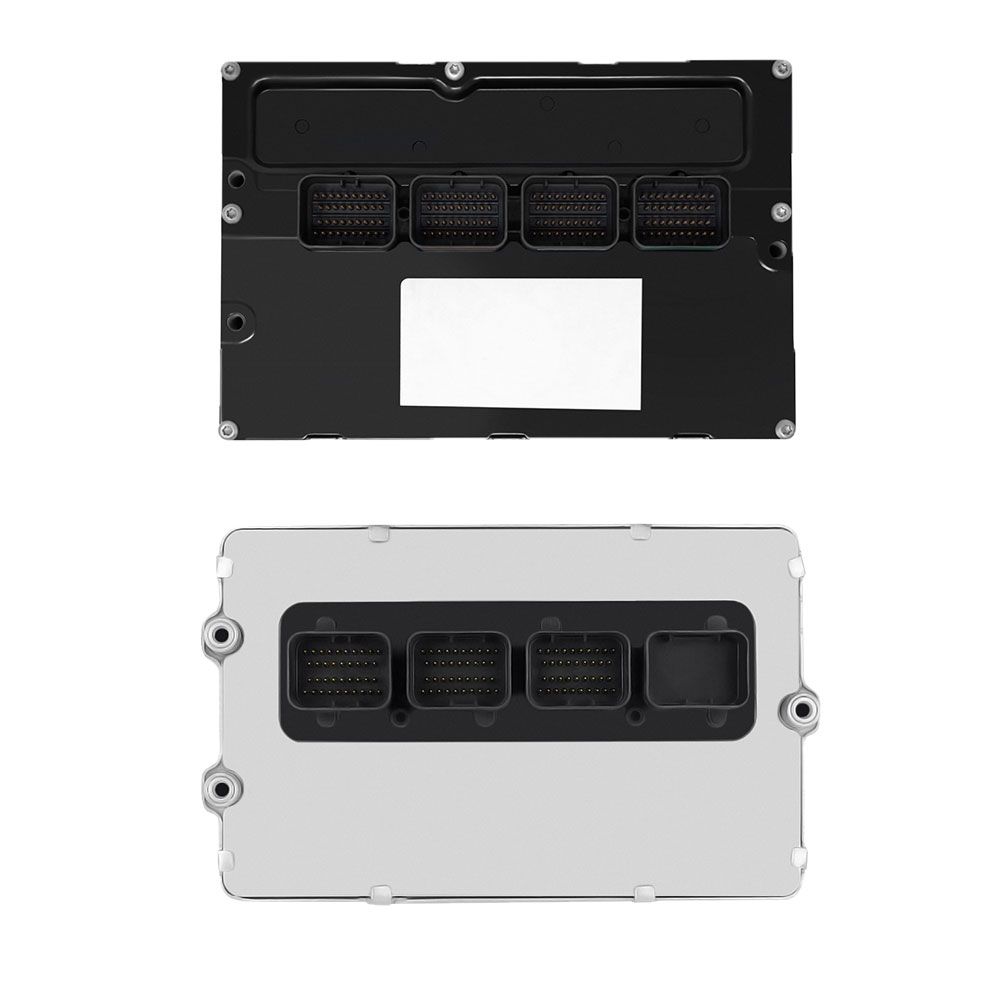
Flagship One stocks a refurbished, VIN-programmed ECM for the 2006 Chrysler PT Cruiser with a lifetime warranty, free shipping and no core charge. The full Chrysler PT Cruiser module lineup covers other engine configurations as well.
The 2006 Chrysler PT Cruiser relies on its PCM to manage critical engine and transmission functions. When this module fails, symptoms like stalling, no-start conditions, or internal fault codes can disrupt your driving experience. Understanding the role of the PCM, recognizing its failure signs, and knowing the replacement process helps you address issues efficiently. Whether you opt for a dealer repair or a pre-programmed replacement, ensuring the module is properly installed and initialized keeps your PT Cruiser running smoothly.