
Last updated on August 25th, 2026 at 12:03 pm
The powertrain control module in the 2004 Toyota Sienna manages critical engine and transmission functions, regulating fuel delivery, ignition timing, and shift patterns. When this module fails, it may cause no-start conditions, unpredictable stalling, or illuminated warning lights that prevent normal vehicle operation.
Diagnosing electrical or drivability concerns in a minivan can feel overwhelming, especially when symptoms point toward a computer that governs engine behavior. The 2004 Toyota Sienna relies on its engine control module and powertrain control module to coordinate fuel injection, ignition timing, and in the case of the powertrain variant, transmission shifting. When either unit begins to degrade, your vehicle may exhibit anything from occasional hesitation to a complete failure to start. Understanding what these modules do, where they live inside the van, and what steps follow a replacement helps you make informed repair decisions rather than relying on guesswork. This guide walks through the role each computer plays in your Sienna, outlines the factory-recognized labor times for removal and relearn procedures, and explains what programming requirements await after a new unit is installed. You will also find a breakdown of common failure symptoms, an explanation of diagnostic trouble codes that often accompany internal module faults, and practical advice on preserving the health of these sensitive components throughout the life of your vehicle.
2004 Toyota Sienna
OEM programmed ECM for your 2004 Toyota Sienna — plug & play, no dealer visit.
Free shipping · Lifetime warranty
The engine control module in the 2004 Toyota Sienna serves as the central processor for engine management, continuously adjusting fuel injector pulse width, spark advance, and idle speed based on input from sensors throughout the vehicle. The powertrain control module expands on that role by adding transmission control, governing shift points, torque converter lockup, and line pressure to ensure smooth gear changes under varying load conditions. Both modules communicate with other onboard computers over the vehicle network, sharing data that influences everything from evaporative emissions monitoring to cruise control operation. When these processors function correctly, your Sienna delivers the fuel economy and responsive acceleration you expect from a well-engineered minivan. When internal circuitry degrades, the consequences extend well beyond a dashboard warning lamp; the engine may refuse to start, the transmission could shift erratically, or the vehicle might stall unexpectedly at speed. Because the 2004 Toyota Sienna uses separate engine and powertrain controllers depending on configuration, identifying which unit has failed is an essential first step before purchasing replacement engine computers for the Toyota Sienna. A replacement that addresses the correct malfunctioning controller restores the communication pathway between sensors and actuators, allowing the engine to run efficiently and the transmission to shift as designed. Understanding the distinction between these two modules helps you avoid replacing the wrong component and ensures your repair dollars target the actual source of the drivability concern.
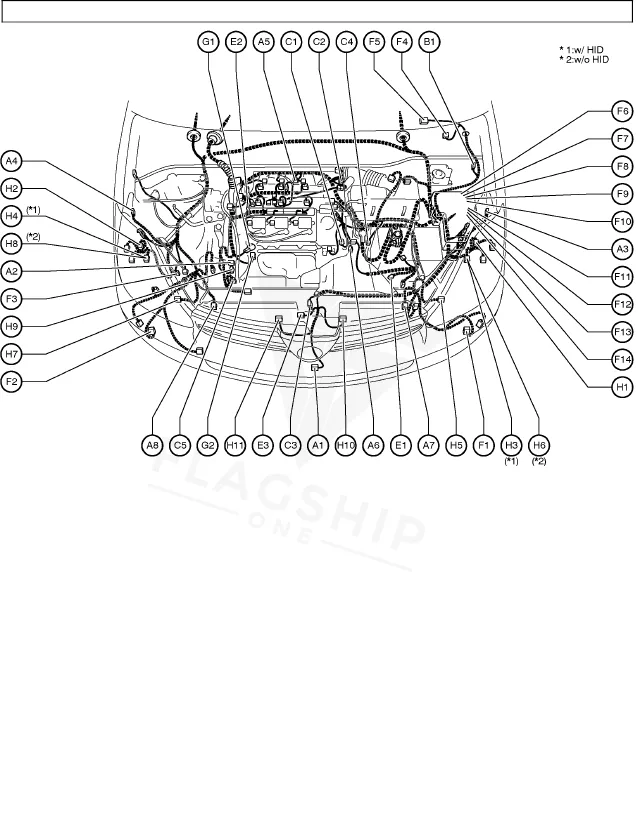
According to the factory wiring guide’s component grid, the engine ECU in the 2004 Toyota Sienna is located within the instrument panel. Accessing this module typically requires removing trim panels or portions of the dashboard surround, which explains the labor times published for replacement procedures. The book time for removing and installing a powertrain control module is 0.8 hours, while the engine control module R&R carries a book time of 0.6 hours. These figures account for the physical swap of the unit but do not include the relearn procedures that follow installation. After the new module is secured and all connectors are properly seated, the powertrain control module relearn requires 0.5 hours of book time, and the engine control module relearn also calls for 0.5 hours. Planning for both the mechanical swap and the subsequent relearn ensures the replacement module communicates correctly with the rest of the vehicle systems.
| Operation | Configuration | Book Time |
|---|---|---|
| Engine Control Module Relearn | All configurations | 0.5 hr |
| Engine Control Module R&R | All configurations | 0.6 hr |
| Powertrain Control Module R&R | All configurations | 0.8 hr |
| Powertrain Control Module Relearn | All configurations | 0.5 hr |
After a new module is installed in the 2004 Toyota Sienna, the factory service procedure mandates a relearn process so the computer can adapt to the vehicle’s specific sensor inputs and operating parameters. The powertrain control module relearn carries a book time of 0.5 hours, and the engine control module relearn also requires 0.5 hours according to published labor guides. During these relearn procedures, the technician typically cycles the ignition, allows the module to recognize the vehicle identification number, and guides the engine through idle and throttle position adaptations so fuel trims and shift strategies calibrate properly. Without these steps, the replacement unit may not communicate correctly with immobilizer circuits or other onboard controllers, potentially leaving the vehicle unable to start. Flagship One eliminates this concern by supplying a VIN-programmed replacement unit that arrives already coded to your vehicle, meaning the relearn procedures are effectively pre-completed before the part ships. This allows you to install the module, connect the wiring, and proceed with confidence that the computer already recognizes your Sienna’s identity.
When the engine control module or powertrain control module in the 2004 Toyota Sienna begins to fail, the symptoms often appear gradually before escalating into more serious drivability problems. One of the most common early signs is intermittent stalling, where the engine shuts off unexpectedly at idle or while cruising, then restarts after sitting for a period. You may also encounter a no-start condition where the starter cranks normally but the engine fails to fire because the module has stopped commanding fuel or spark. Misfire codes can populate the diagnostic memory even when the ignition coils and fuel injectors test within specification, pointing toward an internal processor fault rather than a mechanical issue. Communication failures with a scan tool represent another indicator; if your diagnostic equipment cannot establish a link to the engine or powertrain controller, the module’s internal circuitry may have lost power or ground internally. Transmission shifting concerns such as harsh or delayed shifts, failure to upshift, or erratic torque converter lockup often accompany powertrain control module degradation because the unit manages shift solenoids and line pressure. A check engine light accompanied by module-internal fault codes suggests the computer has detected a problem within its own memory or processing circuitry. Because these symptoms overlap with failures in sensors, wiring, and actuators throughout the vehicle, proper diagnosis before replacing the module is essential to avoid unnecessary parts replacement.
The engine control module manages fuel and ignition, while the powertrain control module adds transmission control. If your symptoms include shifting problems, the powertrain variant is likely the culprit. A diagnostic scan that identifies which controller has lost communication will confirm the correct replacement.
The factory wiring guide places the engine ECU within the instrument panel. Accessing it typically requires removing portions of the dashboard trim. Book time for the physical removal and installation ranges from 0.6 hours for the engine control module to 0.8 hours for the powertrain control module.
Both the engine control module and the powertrain control module require a relearn procedure after installation. Each relearn carries a book time of 0.5 hours. These procedures allow the new computer to adapt idle settings, fuel trims, and shift strategies to your specific vehicle.
Driving with a degraded module is risky because the computer may stall the engine unexpectedly or prevent it from starting altogether. If you experience intermittent stalling, no-start conditions, or erratic transmission behavior, have the vehicle diagnosed before continuing regular use.
Yes, Flagship One pre-programs each unit to your vehicle identification number before shipping. This means the VIN recognition and immobilizer synchronization steps are already completed, so you can install the module and proceed without additional dealership programming.
When the module in your 2004 Toyota Sienna fails, you face a choice between a dealership repair that includes new-part pricing and relearn labor, or a pre-programmed replacement that eliminates the programming step entirely. Flagship One offers VIN-programmed units that arrive ready for installation, saving you the time and expense of a dealership visit while restoring your vehicle to proper operating condition and reliable daily service.
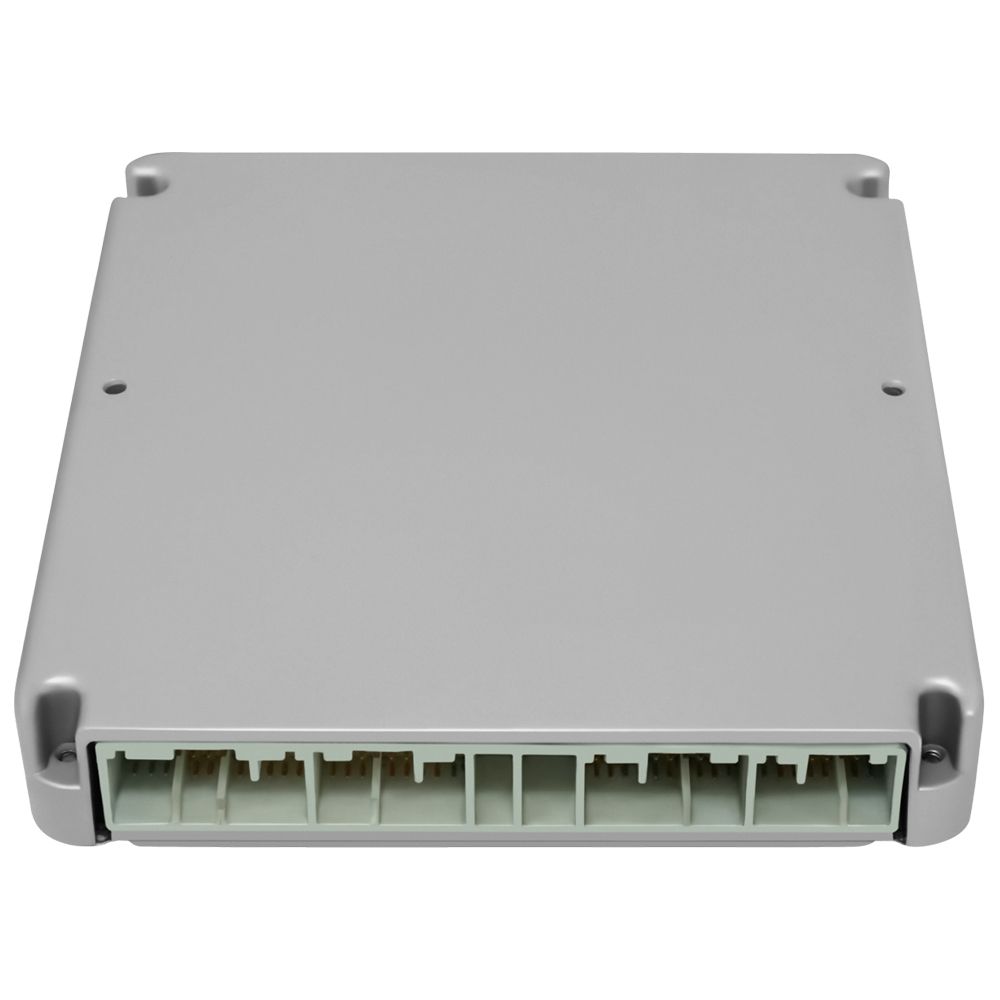
Flagship One stocks a refurbished, VIN-programmed PCM for the 2004 Toyota Sienna with a lifetime warranty, free shipping and no core charge. The full Toyota Sienna module lineup covers other engine configurations as well.
The 2004 Toyota Sienna depends on its engine and powertrain control modules to manage essential drivability functions, and when either unit fails, the consequences range from inconvenient stalling to a complete no-start condition. Understanding the module’s location, labor times, and relearn requirements equips you to make confident repair decisions. Consider a pre-programmed replacement from Flagship One to skip the dealership programming step and get your Sienna back on the road efficiently.