
Last updated on August 25th, 2026 at 01:48 pm
The Engine Control Module (ECM) in your 2004 Nissan Altima manages fuel injection, ignition timing, and emissions systems. Failures may cause erratic engine behavior, poor performance, or a complete no-start condition.
If your 2004 Nissan Altima has been acting up—stalling unexpectedly, refusing to start, or throwing cryptic engine codes—it may be time to consider the health of its Engine Control Module (ECM). This small but critical component acts as the brain of your vehicle’s engine, managing everything from fuel delivery to ignition timing. When it fails, the symptoms can range from subtle performance issues to a complete breakdown. Replacing the ECM isn’t just about swapping a part; it involves precise labor steps and often a relearn procedure to ensure your Altima runs smoothly again. Understanding the process, from identifying symptoms to installation and programming, can save you time and frustration. Whether you’re a DIY enthusiast or relying on a mechanic, knowing what to expect helps you make informed decisions about your vehicle’s repair needs.
The Engine Control Module (ECM) in your 2004 Nissan Altima is a specialized computer responsible for managing the engine’s performance. It continuously monitors sensors throughout the engine bay, adjusting fuel injection, ignition timing, and emissions controls to optimize efficiency and power. Without a functioning ECM, your Altima’s engine may run poorly or not at all. This module is particularly critical in vehicles like yours, where precise fuel delivery and timing are essential for smooth operation. Over time, exposure to heat, vibration, or electrical issues can degrade the ECM, leading to failures that disrupt your driving experience. When replacement becomes necessary, you’ll want to ensure the new unit is compatible with your vehicle’s specifications. replacement engine computers for the Altima are designed to meet or exceed factory standards, providing a reliable solution when your original module fails. The ECM’s role extends beyond basic engine management; it also communicates with other vehicle systems, such as the transmission, to ensure seamless operation under varying driving conditions.
2004 Nissan Altima
OEM programmed replacements — plug & play, no dealer visit.
Find yours by year, make & model →
Free shipping · Lifetime warranty
In your 2004 Nissan Altima, the ECM is located in the engine compartment, typically mounted on the passenger side near the firewall. Accessing it requires removing a protective cover or panel, which may involve disconnecting a few electrical connectors or fasteners. The replacement process itself is straightforward but requires care to avoid damaging the new module or its connectors. According to factory labor estimates, removing and reinstalling the ECM should take about 0.6 hours. This includes disconnecting the battery, unplugging the wiring harness, and securing the new unit in place. After installation, the module must be reconnected to the vehicle’s electrical system, and the battery should be reattached. While the physical replacement is relatively quick, the real work often begins afterward, as the ECM may require a relearn procedure to synchronize with your Altima’s engine and transmission systems.
| Operation | Configuration | Book Time |
|---|---|---|
| Powertrain Control Module R&R | All configurations | 0.6 hr |
| Powertrain Control Module Relearn | All configurations | 0.5 hr |
| Engine Control Module R&R | All configurations | 0.6 hr |
| Engine Control Module Relearn | All configurations | 0.5 hr |
After replacing the ECM in your 2004 Nissan Altima, the factory procedure typically requires a relearn process to ensure the new module communicates correctly with the engine and other vehicle systems. This step, which can take up to 0.5 hours, involves using specialized diagnostic tools to register the ECM’s VIN and calibrate it to your vehicle’s specifications. Without this procedure, your Altima may experience performance issues, such as poor fuel economy, rough idling, or even a no-start condition. However, if you opt for a VIN-programmed replacement unit, these steps are already completed before the module arrives. This means your mechanic can focus on installation and verification, saving time and reducing the risk of post-installation complications. The pre-programmed unit is ready to plug in and drive, eliminating the need for additional reprogramming or relearn procedures at the shop.
When the ECM in your 2004 Nissan Altima begins to fail, the symptoms can vary widely, but they often include noticeable changes in engine performance. You may experience intermittent stalling, especially at idle or during acceleration, which can be both frustrating and dangerous. Another common issue is a no-start condition, where the engine cranks but refuses to fire up, leaving you stranded. Misfires are also a frequent complaint, often accompanied by rough idling or a lack of power during acceleration. These symptoms may trigger warning lights on your dashboard, such as the Check Engine light, and can sometimes be traced to specific trouble codes. For example, a memory check failure might appear, indicating an internal fault within the ECM. Other codes, such as those related to fuel trim or ignition timing, may also point to ECM issues. In some cases, you might notice poor fuel economy or even transmission shifting problems, as the ECM plays a role in communicating with the transmission control module. If your scan tool fails to communicate with the ECM at all, that’s a strong sign the module itself has failed and needs replacement.
Nissan has issued several service bulletins related to the Engine Control Module in vehicles like your 2004 Altima. Bulletin NTB09136 addresses ECM VIN registration procedures for 2005 and later models, which may offer insights into best practices for earlier vehicles. NTB11074 outlines reprogramming steps using the CONSULT diagnostic tool, which is often required after ECM replacement. Additionally, NTB04005 discusses updates to the CONSULT-II ECU reprogramming software, emphasizing the importance of using the latest tools and procedures for accurate module calibration. While these bulletins are not specific to your model year, they highlight the complexity of ECM-related repairs and the need for proper diagnostic equipment.
| Bulletin | Subject | What It Addresses |
|---|---|---|
| — | EC – ENGINE CONTROL SYSTEM: 2005 AND LATER; ECM VIN REGISTRATION | — |
| — | EC – ENGINE CONTROL SYSTEM: REPROGRAMMING WITH CONSULT | — |
| — | TE – TOOL & EQUIPMENT: CONSULT-II ECU REPROGRAMMING SOFTWARE UPDATE #6 (AER05A) | — |
Common signs include stalling, a no-start condition, rough idling, or misfires. You may also see the Check Engine light with codes like P0601. If your scan tool can’t communicate with the ECM, that’s a strong indicator of failure.
Yes, if you’re comfortable with basic mechanical tasks and have the right tools. The ECM is located in the engine compartment, and replacement involves disconnecting the battery, unplugging the wiring harness, and securing the new unit. However, a relearn procedure may still be required afterward.
Without the relearn procedure, your Altima may experience poor performance, such as rough idling, stalling, or even a no-start condition. The ECM needs to synchronize with the engine and transmission systems to function correctly.
The VIN programming ensures the ECM is calibrated to your specific vehicle’s engine and transmission configurations. This step is critical for optimal performance and emissions compliance. Without it, the ECM may not communicate properly with other systems.
Replacing the ECM typically takes about 0.6 hours, while the relearn procedure may add another 0.5 hours. If you use a pre-programmed unit, the relearn step is often unnecessary, saving time.
When your 2004 Nissan Altima’s ECM fails, you have a few options to consider. A new OEM module may be available, but it often requires additional programming and relearn steps, adding time and cost to the repair. Alternatively, a refurbished or pre-programmed replacement unit can provide a reliable solution without the hassle of post-installation procedures. For many owners, the convenience of a plug-and-play unit makes it the preferred choice, especially if you’re looking to get your Altima back on the road quickly and efficiently.
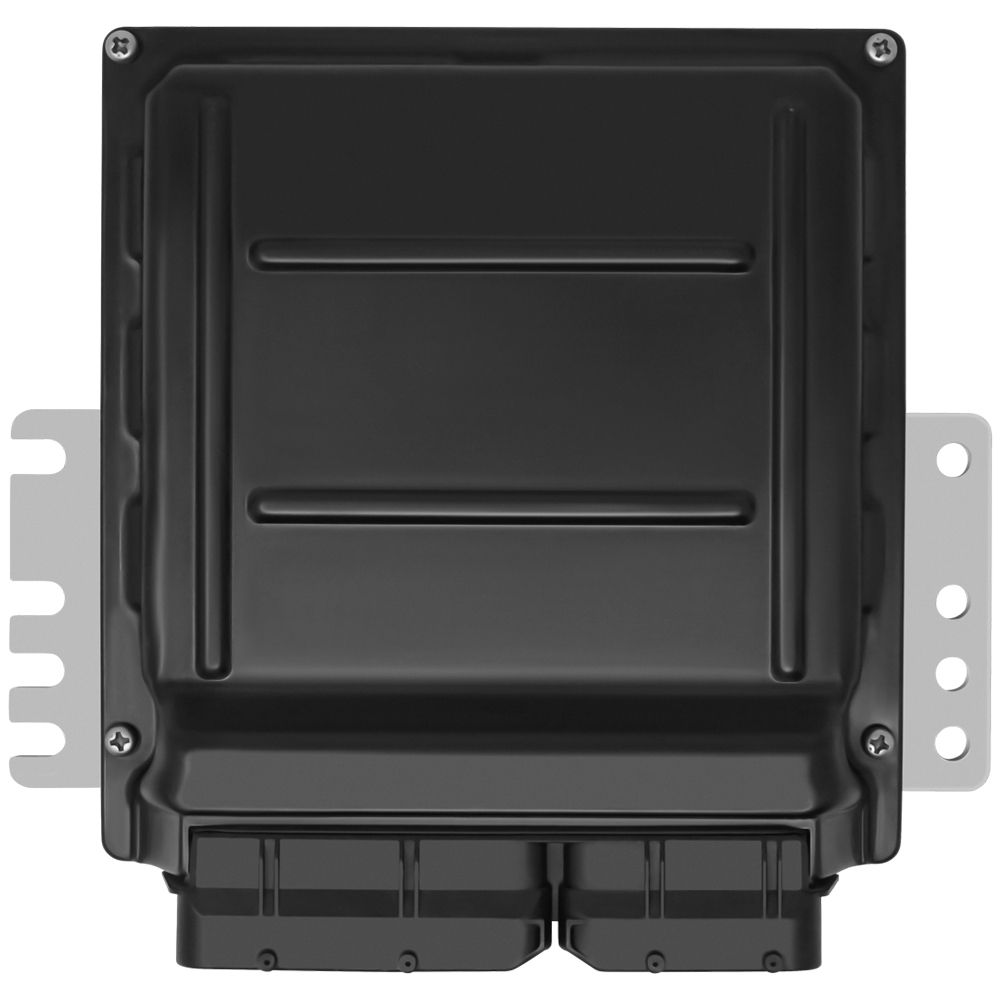
Flagship One stocks a refurbished, VIN-programmed PCM for the 2004 Nissan Altima with a lifetime warranty, free shipping and no core charge. The full Nissan Altima module lineup covers other engine configurations as well.
The Engine Control Module in your 2004 Nissan Altima plays a vital role in keeping your vehicle running smoothly. When it fails, the symptoms can range from minor annoyances to complete breakdowns, making timely replacement essential. Understanding the replacement process, from installation to programming, helps you make informed decisions about your repair options. Whether you choose to tackle the job yourself or rely on a professional, opting for a pre-programmed unit can simplify the process and get you back on the road with minimal downtime. If your Altima is showing signs of ECM failure, addressing the issue promptly can save you time, money, and frustration in the long run.