
Last updated on August 25th, 2026 at 12:29 pm
The powertrain control module (PCM) in your 2003 Pontiac Montana 3.4L is the main computer that manages engine and transmission operation. It processes sensor inputs and controls fuel injection, ignition timing, and shift patterns. When it fails, the vehicle may not start, run poorly, or set internal trouble codes.
If your 2003 Pontiac Montana 3.4L is experiencing intermittent stalling, a no-start condition, or check-engine lights that point to internal computer faults, the powertrain control module (PCM) may be the culprit. This guide explains what the PCM does in your Montana, where it is located, and what replacement involves. You will learn the factory-recommended removal and programming steps, the symptoms that often precede PCM failure, and how a pre-programmed replacement unit can simplify the repair. Understanding these details helps you make an informed decision about repairing or replacing the module.
The powertrain control module (PCM) in your 2003 Pontiac Montana 3.4L is the central computer that coordinates engine and transmission functions. It receives data from sensors such as the crankshaft position sensor, throttle position sensor, and oxygen sensors, then adjusts fuel delivery, spark timing, and shift points accordingly. When the PCM fails, it can cause drivability issues, set internal trouble codes, or leave the vehicle completely inoperative. For this reason, replacement PCMs for the Montana are a common repair item as the vehicle ages. The module is designed to last the life of the vehicle, but heat, vibration, and electrical surges can eventually damage its internal circuitry.
The factory removal procedure accesses the PCM next to the air cleaner assembly on your 2003 Pontiac Montana 3.4L. To replace it, you disconnect the battery, remove the air cleaner housing for clearance, unplug the two large electrical connectors, and unbolt the module from its bracket. The book labor time for removal and replacement is 1.1 hours. After installing the new PCM, the factory procedure calls for a 0.5-hour relearn process to synchronize the module with the vehicle’s security system and transmission adaptations. Ensure all connections are clean and tight before proceeding.
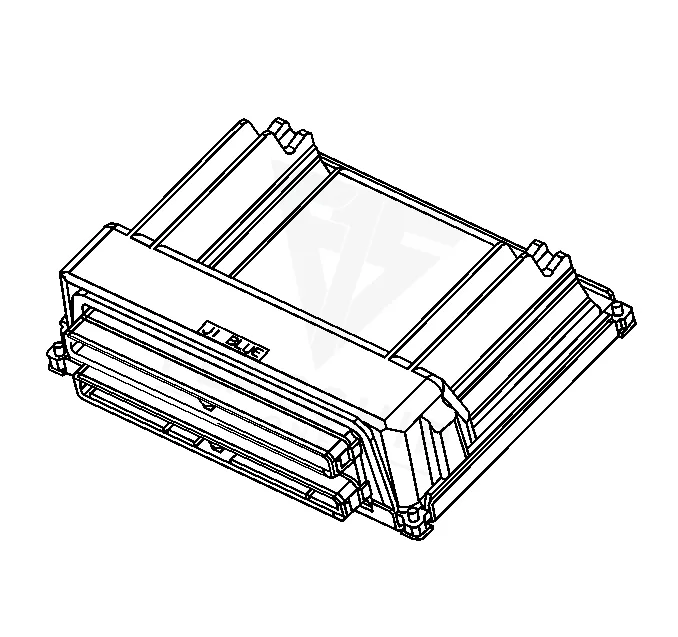
Work with the ignition off, and treat the module as static-sensitive: avoid touching the connector pins at any point.
| Operation | Configuration | Book Time |
|---|---|---|
| Engine Control Module R&R | All configurations | 1.1 hr |
| Engine Control Module Relearn | All configurations | 0.5 hr |
| Powertrain Control Module Relearn | All configurations | 0.5 hr |
| Powertrain Control Module R&R | All configurations | 1.1 hr |
2003 Pontiac Montana 3.4L
OEM programmed ECM for your 2003 Pontiac Montana 3.4L — plug & play, no dealer visit.
Free shipping · Lifetime warranty
After installing a new PCM, the factory procedure requires you to attempt to reprogram the control module using a Tech 2 scan tool. You select Reprogram ECU and then Off-Board Programming Adapter as the ECU location. The Off-Board Programming method is used when the vehicle is not present. However, factory cautions state that you must not program a control module unless directed by a service procedure or a General Motors service bulletin; doing so at other times will not permanently fix a customer’s concern. A VIN-programmed replacement unit from Flagship One arrives with the correct software already loaded, so those programming steps are already completed and you can skip the on-vehicle reprogramming.
When the PCM begins to fail in a 2003 Pontiac Montana 3.4L, you may notice a no-start condition where the engine cranks but does not fire. Intermittent stalling, rough idle, or hesitation during acceleration are also common. The check-engine light may illuminate with codes that are internal to the module, such as internal control module fault P0601. Other symptoms include the transmission shifting erratically or failing to shift, the scan tool losing communication with the PCM, and the vehicle entering a reduced-power or limp-home mode. These issues often appear suddenly and may worsen over time.
The following trouble codes are stored inside the PCM itself and indicate internal module faults. When any of these codes appear, the PCM typically requires replacement rather than repair.
If your Montana has internal trouble codes like P0601, P0602, or P0603, or if it cranks but won’t start and you have verified fuel and spark, the PCM is likely faulty. A scan tool that cannot communicate with the PCM is another strong indicator.
A used PCM will need to be programmed with your vehicle’s VIN and security data, which requires a Tech 2 and access to GM’s programming system. A VIN-programmed replacement unit from a supplier like Flagship One is a simpler option because it arrives ready to install.
The factory labor time for PCM removal and replacement is 1.1 hours. An additional 0.5 hours is allowed for the relearn procedure after installation.
When your 2003 Pontiac Montana 3.4L needs a new PCM, you have two paths: repair the existing module or replace it with a refurbished unit. Repair is rarely successful for internal failures, so replacement is the standard solution. Flagship One offers a VIN-programmed replacement PCM that arrives ready to install, saving you the time and equipment needed for on-vehicle programming.
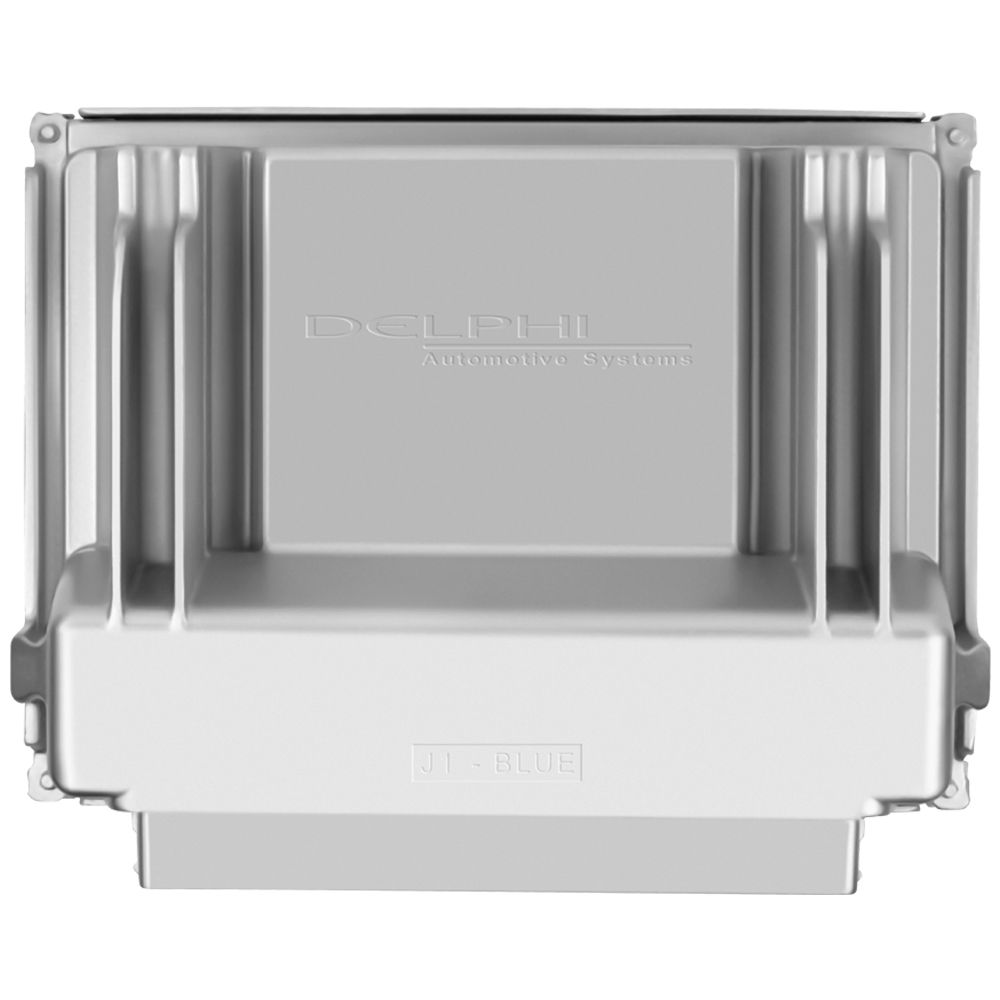
Flagship One stocks a refurbished, VIN-programmed PCM for the 2003 Pontiac Montana with a lifetime warranty, free shipping and no core charge. The full Pontiac Montana module lineup covers other engine configurations as well.
The PCM in your 2003 Pontiac Montana 3.4L is a critical component that controls engine and transmission operation. Recognizing the symptoms of failure and understanding the replacement process helps you get your vehicle back on the road quickly. A pre-programmed replacement unit from Flagship One simplifies the repair by eliminating the need for dealer-level programming.