
Last updated on August 25th, 2026 at 01:18 pm
In the 2003 Infiniti QX4 the Powertrain Control Module (PCM) and Engine Control Module (ECM) manage engine timing, fuel delivery, emissions and transmission shift logic. Failure of either unit can cause loss of power, erratic shifting, or trigger diagnostic trouble codes that prevent normal operation.
When a 2003 Infiniti QX4 begins to exhibit engine control warnings or erratic performance, the underlying issue often involves the vehicle’s PCM or ECM. Understanding how these modules function, what the factory recommends for reprogramming, and the steps required for a proper replacement can help you avoid prolonged downtime. This guide explains the role of the control modules in this model, outlines the labor involved in relearn procedures, highlights relevant service bulletins, and shows how a Flagship One replacement can simplify the process. By the end, you’ll know what to expect during diagnosis and repair, and how to keep your QX4 operating reliably.
The PCM and ECM in the 2003 Infiniti QX4 act as the vehicle’s central computers, interpreting sensor data to control fuel injection, ignition timing, emission controls and transmission shift points. They continuously monitor inputs such as throttle position, oxygen sensor readings and vehicle speed to adjust engine output for optimal performance and fuel economy. When these modules receive inaccurate data or lose internal calibration, the engine may run rough, stall, or trigger fault codes that limit power. Proper operation is essential for meeting emissions standards and ensuring smooth shifting. The modules are interchangeable with other Nissan‑derived platforms, making 2003 Infiniti QX4 replacement engine computers a common aftermarket focus.
2003 Infiniti QX4
OEM programmed ECM for your 2003 Infiniti QX4 — plug & play, no dealer visit.
Free shipping · Lifetime warranty
Both the PCM and ECM are mounted within the engine compartment of the 2003 Infiniti QX4, typically attached to the firewall or near the intake manifold. Access usually requires removal of the air intake duct and several electrical connectors. The factory book time for removing and reinstalling each module is listed as 0.5 hours, reflecting the straightforward bolt‑on design. After disconnecting the battery, the technician unbolts the mounting hardware, extracts the unit, installs the replacement, and reconnects all connectors before securing the module in place. No additional torque specifications are provided in the available data.
| Operation | Configuration | Book Time |
|---|---|---|
| Engine Control Module Relearn | All configurations | 0.5 hr |
| Engine Control Module R&R | All configurations | 0.5 hr |
| Powertrain Control Module Relearn | All configurations | 0.5 hr |
| Powertrain Control Module R&R | All configurations | 0.5 hr |
Once a new PCM or ECM is installed in the 2003 Infiniti QX4, the factory procedure calls for a relearn of the module to sync it with the vehicle’s sensors and transmission. This includes a Powertrain Control Module Relearn and an Engine Control Module Relearn, each taking about 0.5 hours of labor. Flagship One units arrive pre‑configured for the vehicle’s VIN, so the required steps are already completed. Using a VIN-programmed replacement unit means the technician can skip the relearn process and proceed directly to final verification.
Typical signs of a failing PCM or ECM in the 2003 Infiniti QX4 include a sudden loss of power, engine stalling at idle, rough acceleration, and transmission shift delays. Drivers may also notice the check engine light illuminated with codes related to fuel trim or sensor failures. In some cases, the vehicle may refuse to start or exhibit dead communication when a scan tool is connected. A specific trouble code documented for this model is evap system very small leak, which points to a minor evaporative emissions leak that can also be linked to module communication issues.
Factory bulletins relevant to this vehicle include ITB11049, which covers engine control system reprogramming with a consult procedure; ITB00045, addressing a MIL‑on condition with code P1441 for a very small evap leak; and ITB04003, which details a software update using Consult‑II ECU reprogramming software version #5 (AER05A). These bulletins guide technicians on the required software revisions and diagnostic steps.
| Bulletin | Subject | What It Addresses |
|---|---|---|
| — | EC – ENGINE CONTROL SYSTEM: REPROGRAMMING WITH CONSULT | — |
| — | itb00045: EC – ENGINE CONTROL SYSTEM: 2001 QX4; MIL “ON” DTC P1441 (EVAP VERY SMALL LEAK) | — |
| — | TE – TOOL & EQUIPMENT: CONSULT-II ECU REPROGRAMMING SOFTWARE UPDATE #5(AER05A) | — |
The factory book time for a Powertrain Control Module Relearn on this model is listed as 0.5 hours.
A used ECM must undergo the Engine Control Module Relearn procedure, which also takes about 0.5 hours, to ensure proper sensor calibration.
Code P1441 signals a very small leak in the evaporative emissions system, which may be related to a faulty seal or a minor vent issue.
Service bulletin ITB11049 outlines a reprogramming step using the Consult system to update the engine control software.
A VIN‑programmed unit arrives already calibrated to the vehicle, eliminating the need for the factory relearn steps after installation.
When the PCM or ECM in your 2003 Infiniti QX4 needs attention, you can choose a factory‑refurbished unit or a Flagship One replacement. Both options restore the vehicle’s control logic, but a VIN‑programmed replacement removes the extra relearn labor, letting you get back on the road more quickly.
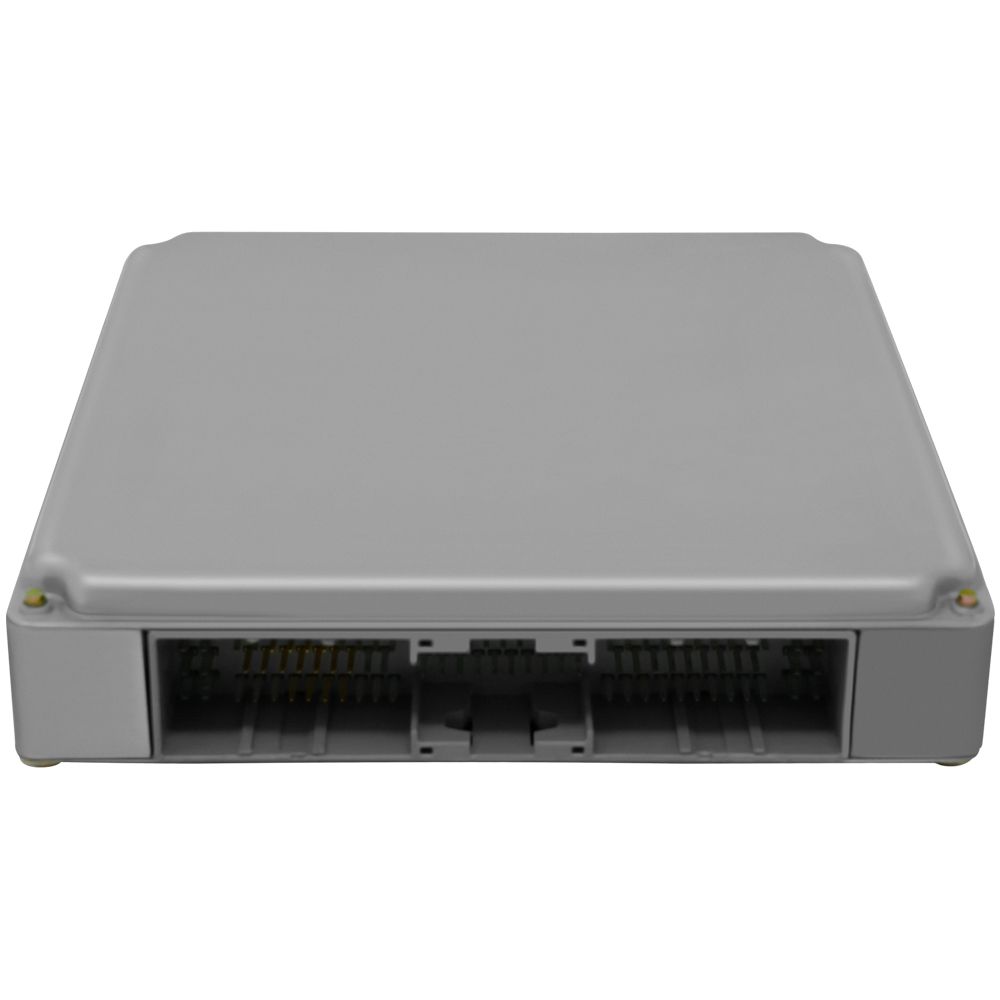
Flagship One stocks a refurbished, VIN-programmed PCM for the 2003 Infiniti QX4 with a lifetime warranty, free shipping and no core charge. The full Infiniti QX4 module lineup covers other engine configurations as well.
The 2003 Infiniti QX4 relies on its PCM and ECM for smooth operation and emissions compliance. Whether you opt for a refurbished module or a Flagship One VIN‑programmed unit, addressing failures promptly helps maintain performance. Consider professional installation to ensure all steps are completed correctly.