
Last updated on August 25th, 2026 at 12:48 pm
The powertrain control module (PCM) in your 2003 Dodge Intrepid manages engine and transmission functions by processing sensor data. Failures may cause erratic idling, no-start conditions, or transmission shifting problems, often linked to internal memory corruption or electrical issues.
If your 2003 Dodge Intrepid has been stalling unexpectedly or refusing to start, the powertrain control module (PCM) might be the culprit. This small but critical computer manages everything from fuel injection to transmission behavior, and when it fails, your vehicle’s drivability suffers. Replacing it isn’t just about swapping a part—it involves precise programming to ensure the new module communicates correctly with the engine and transmission. Understanding the role of the PCM, where it’s located, and what to expect during replacement can save you time and frustration. Whether you’re diagnosing a no-start condition or addressing stored trouble codes, knowing these details helps you make informed decisions about repairs or replacements.
The powertrain control module in your 2003 Dodge Intrepid serves as the brain of the engine and transmission systems. It continuously monitors inputs from sensors like the throttle position, oxygen, and crankshaft sensors to adjust fuel delivery, ignition timing, and shift points. Without a functioning PCM, the engine may run poorly or not at all, and the transmission could shift erratically or fail to engage gears. This module also stores critical vehicle data, including the VIN and mileage, which must be transferred to a new unit during replacement. Because it integrates engine and transmission control, a faulty PCM often triggers symptoms that affect both systems. If you’re considering replacement powertrain control modules for the Intrepid, it’s important to choose one that’s pre-programmed to avoid additional setup steps after installation.
2003 Dodge Intrepid
OEM programmed ECM for your 2003 Dodge Intrepid — plug & play, no dealer visit.
Free shipping · Lifetime warranty
The PCM in your 2003 Dodge Intrepid is mounted on the passenger side of the engine compartment, near the firewall. Accessing it requires removing the air intake duct and possibly the battery to reach the module’s electrical connectors. The factory labor time for removing and reinstalling the PCM is 0.4 hours, though additional time may be needed if other components obstruct access. Once the old module is disconnected, the new unit can be installed in the same location, with care taken to ensure all connectors are securely fastened. The relearn procedure, which syncs the PCM with the vehicle’s systems, adds another 0.5 hours of labor if performed separately. Proper installation is critical, as loose connections or incorrect torque can lead to intermittent electrical issues.
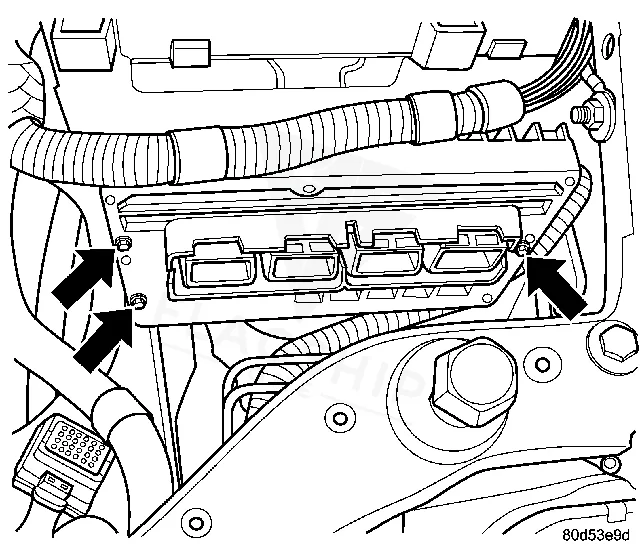
Work with the ignition off, and treat the module as static-sensitive: avoid touching the connector pins at any point.
| Operation | Configuration | Book Time |
|---|---|---|
| Powertrain Control Module R&R | All configurations | 0.4 hr |
| Engine Control Module Relearn | All configurations | 0.5 hr |
| Engine Control Module R&R | All configurations | 0.4 hr |
After replacing the PCM in your 2003 Dodge Intrepid, the factory procedure requires reprogramming the new module with the vehicle’s original VIN and mileage using a DRBIII® scan tool. This step ensures the module recognizes the vehicle’s specific configuration and prevents issues like incorrect fuel trim or transmission shifting problems. Additionally, you’ll need to reset the radio presets and clock, as disconnecting the battery during installation clears these settings. However, if you install a VIN-programmed replacement unit, these reprogramming steps are unnecessary, as the module arrives pre-configured with your vehicle’s data. This saves time and reduces the risk of errors during the setup process, allowing you to focus on verifying proper operation after installation.
A failing PCM in your 2003 Dodge Intrepid may cause a range of symptoms that affect drivability. Common issues include intermittent stalling, especially at idle or during deceleration, as the module struggles to maintain consistent fuel and spark delivery. You might also notice poor acceleration, hesitation, or surging, as the PCM fails to adjust engine parameters correctly. Transmission problems, such as delayed or rough shifting, can occur if the module isn’t communicating properly with the transmission control system. Another telltale sign is a no-start condition, where the engine cranks but doesn’t fire, often due to the PCM failing to send signals to the fuel injectors or ignition coils. Scan tools may also fail to communicate with the module, leaving you with limited diagnostic options. If the PCM has internal memory corruption, you may see stored trouble codes like internal control module memory checksum error, which indicates a fault within the module itself rather than an external sensor or wiring issue.
The 2003 Dodge Intrepid’s PCM may store specific trouble codes when internal faults occur. These codes help pinpoint issues within the module itself, rather than external sensors or wiring problems. Below are the documented module-internal trouble codes for this vehicle.
| Code | Meaning | Full Guide |
|---|---|---|
| P0600 | Module-internal fault | Full P0600 guide → |
| P0601 | Internal memory checksum error | Full P0601 guide → |
Stalling after a PCM replacement often occurs if the module isn’t properly programmed with the vehicle’s VIN and mileage. Without this data, the PCM may not adjust fuel delivery or ignition timing correctly, leading to unstable idle or stalling. Reprogramming the module or using a pre-programmed unit typically resolves this issue.
While the vehicle may still run with a P0601 code, it’s not advisable to ignore it. This code indicates an internal fault within the PCM, which can cause unpredictable behavior like stalling, poor acceleration, or transmission shifting problems. Addressing it promptly can prevent further drivability issues.
Common signs of a failing PCM include no-start conditions, stalling, rough idling, or transmission shifting issues. You may also notice the check engine light illuminated with codes like P0600 or P0601. A scan tool can help confirm whether the PCM is the source of the problem.
Yes, the factory procedure requires reprogramming the new PCM with the vehicle’s original VIN and mileage. This step ensures the module functions correctly with the engine and transmission. However, using a pre-programmed replacement unit eliminates this requirement.
A P0601 code typically indicates an internal memory checksum error within the PCM. This can be caused by voltage spikes, moisture intrusion, or general wear over time. The code suggests the module’s memory has become corrupted, often requiring replacement to restore proper function.
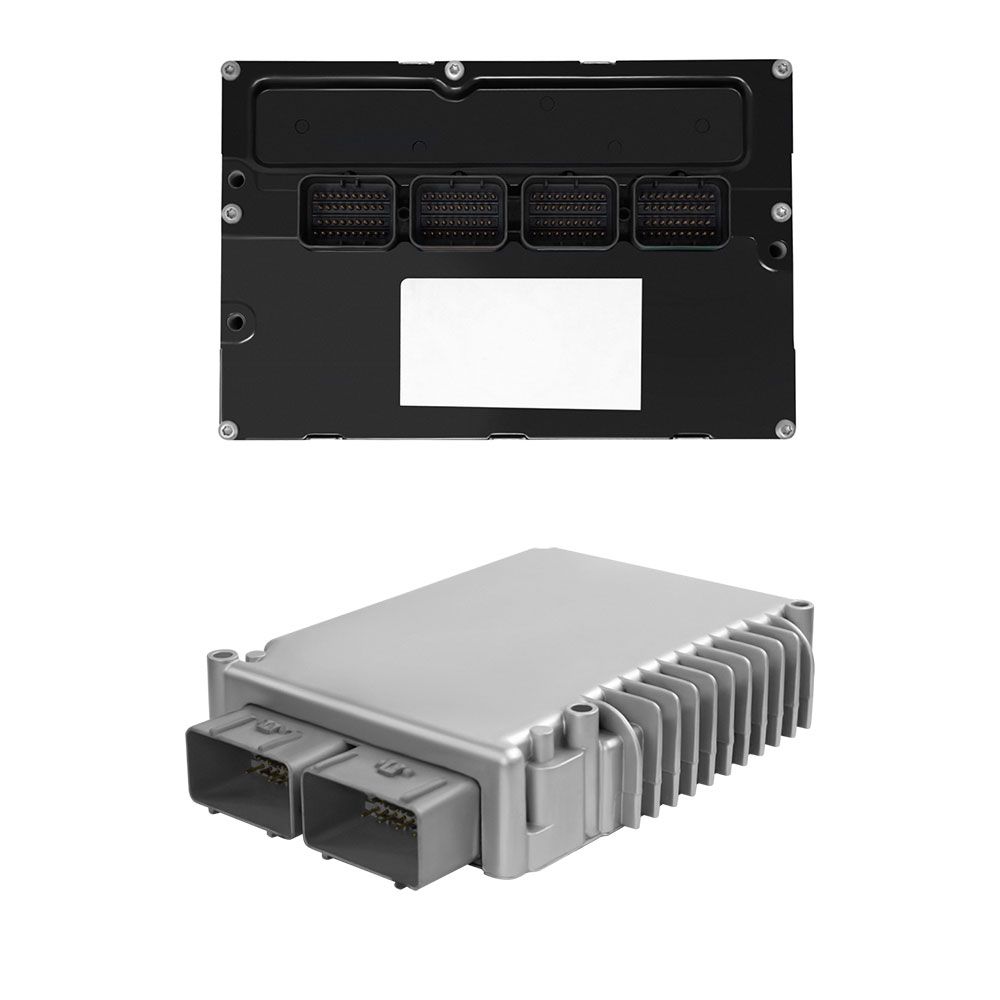
Flagship One stocks a refurbished, VIN-programmed PCM for the 2003 Dodge Intrepid with a lifetime warranty, free shipping and no core charge. The full Dodge Intrepid module lineup covers other engine configurations as well.
Replacing the PCM in your 2003 Dodge Intrepid can restore smooth engine operation and reliable transmission shifts. Whether you opt for a new or refurbished module, ensuring it’s properly programmed is key to avoiding post-installation issues. With the right approach, you can address drivability problems and get your vehicle back on the road with confidence.