
Last updated on August 25th, 2026 at 12:04 pm
The Engine Control Module and Powertrain Control Module on your 2002 Toyota Celica GTS manage fuel delivery, ignition timing, emissions, and transmission shifting. Both modules process sensor data continuously to maintain optimal engine performance. Failure typically stems from heat damage, voltage spikes, or internal component degradation.
If your 2002 Toyota Celica GTS has stopped running correctly, the Engine Control Module or Powertrain Control Module may be the culprit. These two separate computers work together to manage your 1.8L engine’s combustion, emissions system, and automatic transmission function. When either module fails, your Celica may not start, run poorly, or display warning lights on the dashboard. This guide explains what these modules do, where they are located, the factory service procedures, and your replacement options. You will learn the specific symptoms of module failure, the programming requirements after installation, and practical steps you can take to protect these critical control units from premature failure.
The Engine Control Module in your 2002 Toyota Celica GTS serves as the primary computer responsible for managing the 1.8L four-cylinder engine’s air-fuel mixture, ignition timing, emissions control systems, and idle speed. It receives input from dozens of sensors throughout the engine bay and adjusts operating parameters in real time to maintain performance while meeting federal emissions standards. The Powertrain Control Module works in conjunction with the ECM to control the automatic transmission shifting points, torque converter lockup, and line pressure. These two separate computers communicate constantly, sharing data to ensure smooth acceleration and drivability. replacement engine computers for the Celica are essential for proper vehicle operation because without them, the engine cannot run at all. The ECM stores diagnostic trouble codes when it detects malfunctioning sensors or circuits, which helps technicians pinpoint problems during troubleshooting. Both modules contain internal memory chips that can fail over time due to heat cycling, electrical stress, or manufacturing defects, leading to intermittent or complete loss of engine management functions.
2002 Toyota Celica
OEM programmed replacements — plug & play, no dealer visit.
Find yours by year, make & model →
Free shipping · Lifetime warranty
The Engine Control Module and Powertrain Control Module on your 2002 Toyota Celica GTS are located in separate areas of the vehicle, which means each requires individual attention during diagnosis and replacement. The ECM is mounted in the passenger compartment, typically beneath the passenger side of the dashboard or behind the passenger side kick panel, secured with mounting bolts. Access requires removing interior trim panels and potentially the passenger floor carpet to reach the unit. The PCM on this model is often mounted in the engine compartment near the firewall on the driver side, though exact location can vary. Book time for ECM R&R is 0.6 hours and PCM R&R is also 0.6 hours, reflecting the labor involved in removing and reinstalling each module including any necessary panel removal. After the physical replacement is complete, each module requires a separate relearn procedure taking 0.5 hours per module. This means the total labor for both modules replaced and reprogrammed approaches three hours when combining all four operations. Always use factory or high-quality aftermarket connectors and ensure all mounting hardware is torqued to specification to prevent vibration-related failures.
| Operation | Configuration | Book Time |
|---|---|---|
| Engine Control Module Relearn | All configurations | 0.5 hr |
| Engine Control Module R&R | All configurations | 0.6 hr |
| Powertrain Control Module R&R | All configurations | 0.6 hr |
| Powertrain Control Module Relearn | All configurations | 0.5 hr |
After replacing either the ECM or PCM on your 2002 Toyota Celica GTS, the factory procedure requires the new module to be programmed with vehicle-specific calibration data using Toyota Techstream diagnostic software. This software connects through the OBD-II port and communicates with the module to upload the correct fuel maps, transmission shift patterns, and emissions calibration for your specific vehicle. The relearn procedure synchronizes the new computer with your engine’s unique characteristics and clears any stored adaptives that may conflict with the new unit. a VIN-programmed replacement unit arrives from Flagship One already configured with your specific VIN and the correct calibration for your Celica, eliminating the need for dealership programming in most cases. However, the engine idle relearn procedure may still need to be performed to allow the ECM to adjust idle air flow based on your engine’s specific throttle body and intake conditions. This involves idling the engine through a specified sequence while the vehicle is in park, allowing the computer to establish proper idle quality without operator intervention.
When the Engine Control Module or Powertrain Control Module fails on your 2002 Toyota Celica GTS, the vehicle typically exhibits several recognizable symptoms that help distinguish module failure from other potential causes. A no-start condition where the engine cranks but will not fire often indicates an ECM failure preventing fuel injector or ignition spark delivery. The engine may start but immediately stall, or run roughly with a noticeable hesitation during acceleration. Misfire codes such as P0300 through P0304 indicate irregular combustion in one or more cylinders, which the ECM logs when it detects insufficient combustion quality through the oxygen sensors. In some cases, the scan tool cannot communicate with the ECM or PCM at all, indicating an internal electrical failure within the module itself. Transmission shifting problems including harsh shifts, delayed engagement, or failure to shift into certain gears often point to PCM issues since the transmission control portion of the module has failed. The check engine light may remain illuminated constantly, flash intermittently, or never illuminate despite obvious drivability problems depending on the specific nature of the internal fault. Reduced fuel economy is a common symptom because a failing module may command excessively rich fuel mixtures or improper transmission gear selection.
Toyota has published factory service bulletins addressing ECM and PCM programming procedures for your 2002 Celica and related models. Bulletin SS002-01 covers the ECU Flash Reprogramming Process for 2001 and later applicable models, providing the factory-approved method for updating module calibration software. Bulletin SS002-07 details the Techstream ECU Flash Reprogramming Procedure for 01-08 model year Toyotas, specifying the diagnostic software and connection procedures required for programming. These bulletins establish the technical standard that replacement modules must meet and document the official factory procedure technicians should follow when replacing control modules.
| Bulletin | Subject | What It Addresses |
|---|---|---|
| SS002-01 | :SS002-01: 2001 & Later Applicable Models: ECU Flash Reprogramming Process (Revised) | — |
| SS002-07 | :SS002-07: 01-08 Applicable Toyota: Techstream ECU Flash Reprogramming Procedure | — |
A used ECM or PCM from a salvage yard will typically require programming by a dealership or qualified technician using Toyota Techstream software. The module will be locked to the original vehicle’s VIN and will not operate in your Celica until it is reprogrammed. Additionally, used units carry unknown history and may fail shortly after installation.
No. The Engine Control Module is essential for engine operation on your Celica. Without ECM input, the fuel injectors will not activate, the ignition system will not fire, and the engine cannot run. The PCM controls transmission function, so driving without it would result in no transmission engagement or severely limited gear selection.
Diagnostic trouble codes provide the best indication of which module has failed. Codes beginning with P0 generally indicate engine and emissions issues managed by the ECM, while codes in the P07 range often relate to transmission functions controlled by the PCM. A no-communication condition with the scan tool typically indicates an ECM failure since the scan tool connects through the ECM’s diagnostic circuit.
The ECM and PCM have separate responsibilities on your vehicle. The ECM manages engine functions including fuel delivery and ignition timing, while the PCM handles transmission shifting and torque management. These two modules communicate with each other, but the PCM is the primary controller for automatic transmission operation on this model.
Without performing the relearn procedure, your Celica may experience poor idle quality, rough running, or elevated emissions. The ECM needs to learn the specific characteristics of your engine’s throttle body position sensor, idle air control valve, and fuel system to operate optimally. The vehicle will likely run but may exhibit drivability issues until the relearn is completed.
When your 2002 Toyota Celica GTS needs an ECM or PCM replacement, you have two primary paths: repair the existing module or purchase a refurbished replacement. Module repair involves shipping your unit to a specialist who rebuilds the circuit board and replaces failed components, then returns it programmed for your vehicle. Refurbished replacements come pre-programmed with your VIN and ready to install. Both options typically cost less than dealership pricing, and Flagship One offers units configured specifically for your Celica. Consider your timeline, budget, and mechanical comfort when choosing which approach makes sense for your situation.
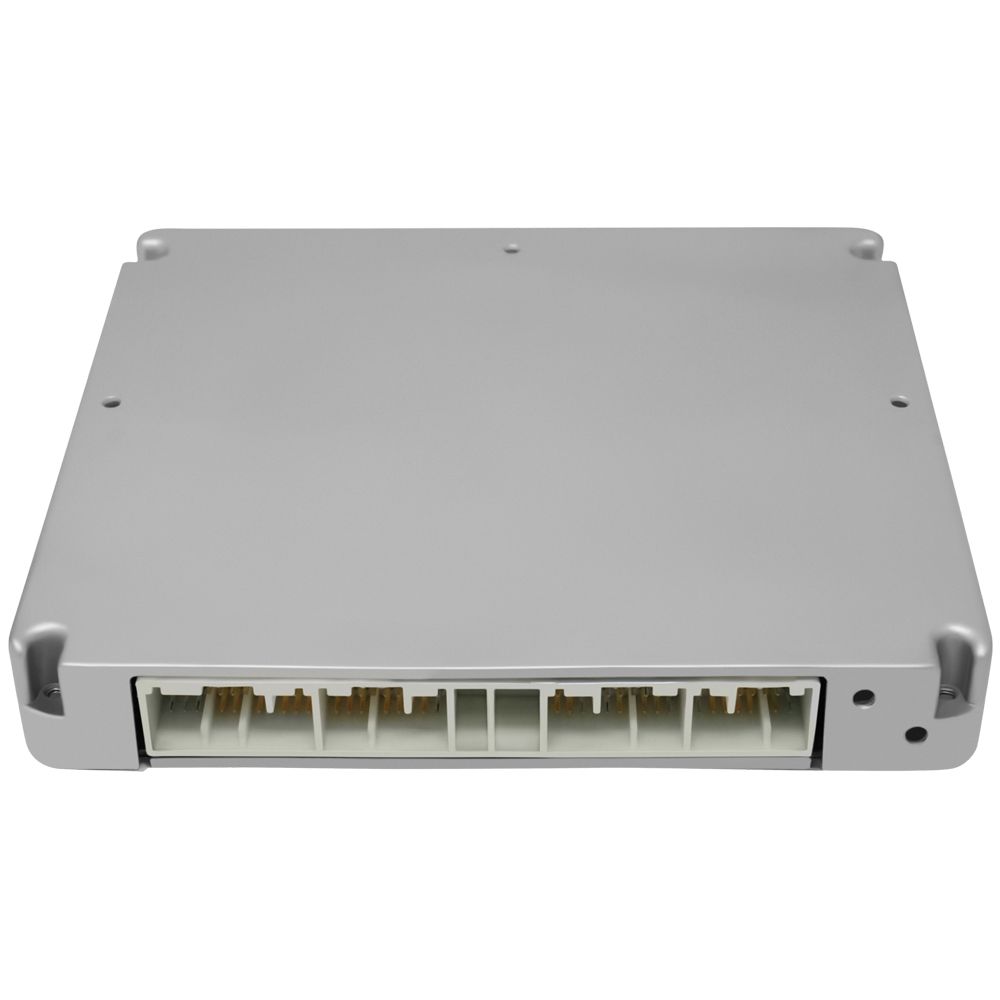
Flagship One stocks a refurbished, VIN-programmed PCM for the 2002 Toyota Celica GTS with a lifetime warranty, free shipping and no core charge. The full Toyota Celica GTS module lineup covers other engine configurations as well.
The Engine Control Module and Powertrain Control Module in your 2002 Toyota Celica GTS are critical computers that manage engine performance and transmission operation. Understanding their function, symptoms of failure, and programming requirements helps you make informed decisions when repairs are needed. Whether you choose to replace the module yourself or have a professional handle the installation, using a quality replacement unit programmed for your specific vehicle ensures your Celica returns to reliable operation.