
Last updated on August 25th, 2026 at 01:43 pm
The PCM in the 2002 Pontiac Firebird coordinates engine and transmission functions. Failure can lead to misfires, poor fuel economy, or loss of power.
You might notice your 2002 Pontiac Firebird hesitating, stalling, or producing diagnostic trouble codes that point to the engine or powertrain computers. Replacing the PCM or PCM can resolve these symptoms, but it requires careful attention to factory cautions. This guide explains the role of these modules, where they sit in the vehicle, how to remove and reinstall them, and what steps you can skip with a VIN‑programmed unit from Flagship One. By following the information below, you’ll understand the process, the safety precautions, and the benefits of a ready‑to‑install replacement, giving you confidence that your Firebird will run smoothly again.
The PCM and ECM in the 2002 Pontiac Firebird manage all electronic engine functions, from fuel injection timing to ignition control. They also interface with the powertrain to adjust shift points and torque delivery. 2002 Pontiac Firebird replacement engine computers Their integration ensures that the vehicle responds correctly to throttle input, maintains idle stability, and meets emissions standards. When these modules fail, the engine may misfire, idle poorly, or the vehicle may not start at all. Replacing the PCM or ECM restores the communication pathways and resets the control logic, often resolving a range of performance issues.
The PCM sits beneath the instrument panel, accessible by removing the dash trim. The ECM is located in the engine bay near the firewall. Removing either unit takes approximately 0.9 hours. After removal, you must record the remaining engine oil life and keep the ignition off while disconnecting or reconnecting the connectors to avoid electrostatic discharge. The replacement process involves sliding the new module into the same bay, re‑attaching the connectors, and re‑torquing any fasteners as specified by the book times.
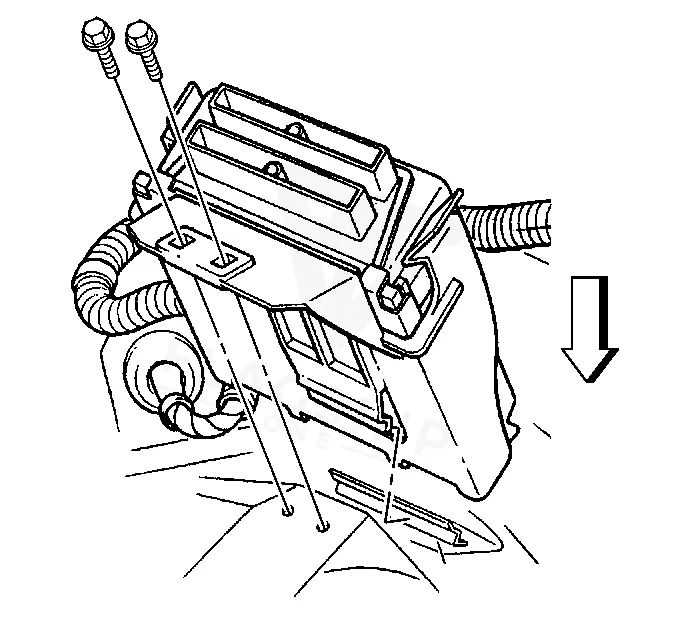
Work with the ignition off, and treat the module as static-sensitive: avoid touching the connector pins at any point.
| Operation | Configuration | Book Time |
|---|---|---|
| Engine Control Module R&R | All configurations | 0.9 hr |
| Engine Control Module Relearn | All configurations | 0.5 hr |
| Powertrain Control Module Relearn | All configurations | 0.5 hr |
| Powertrain Control Module R&R | All configurations | 0.9 hr |
2002 Pontiac Firebird
OEM programmed ECM for your 2002 Pontiac Firebird — plug & play, no dealer visit.
Free shipping · Lifetime warranty
After a new module is installed, the factory requires a relearn sequence for both the engine and powertrain computers. Flagship One units arrive VIN‑programmed, so the relearn step is already complete. During installation, you will simply confirm that the unit is active; no additional programming tools are needed. VIN‑programmed replacement unit This eliminates the need for a diagnostic scan tool to re‑program the module after replacement.
Common signs that your 2002 Pontiac Firebird’s PCM or ECM may need replacement include a no‑start condition, intermittent stalling, or sudden loss of power. Engine misfires and fluctuating idle speeds are also frequent. When these issues appear, the diagnostic scan may pull internal codes such as Powertrain Control Module Failure. These codes indicate that the module’s internal logic has failed and replacement is usually required to restore proper operation.
The 2002 Pontiac Firebird has a set of internal trouble codes that specifically reference the PCM or ECM. These codes help technicians pinpoint failures within the module’s logic or memory.
Whether you choose to repair the existing PCM or install a refurbished replacement, the 2002 Pontiac Firebird can return to reliable performance. A VIN‑programmed unit from Flagship One saves you time and eliminates the need for post‑install programming, letting you focus on getting back on the road.
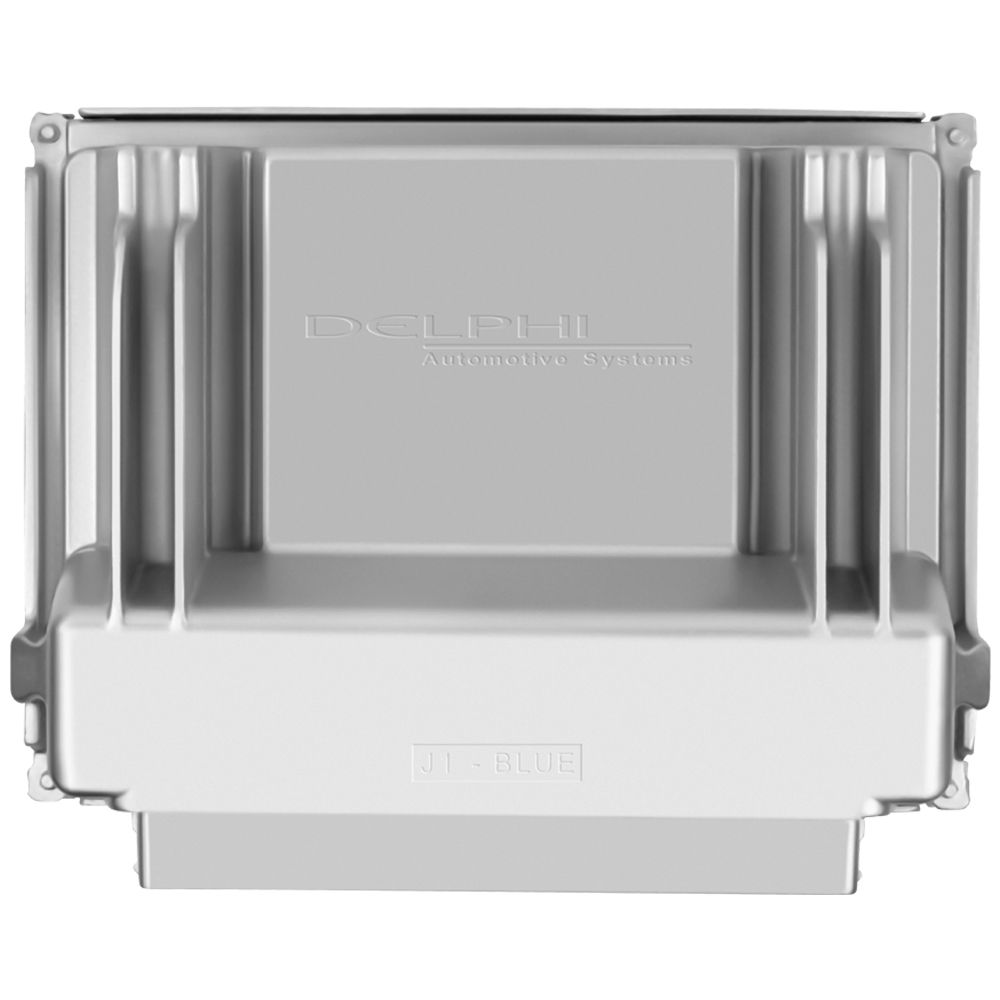
Flagship One stocks a refurbished, VIN-programmed PCM for the 2002 Pontiac Firebird with a lifetime warranty, free shipping and no core charge. The full Pontiac Firebird module lineup covers other engine configurations as well.
For your 2002 Pontiac Firebird, a PCM replacement restores engine and powertrain coordination. By following the safe removal steps and using a pre‑programmed unit, you can resolve common performance issues and keep your vehicle running smoothly.