
Last updated on August 25th, 2026 at 12:15 pm
In the 2002 Ford Escape, the powertrain control module (PCM) and engine control module (ECM) manage engine timing, fuel delivery, and transmission behavior. A failure typically disrupts communication, triggers multiple fault codes, and can cause loss of power or erratic accessory operation.
When a 2002 Ford Escape begins to exhibit sporadic loss of power‑window operation, dashboard lights flicker, or the engine stalls unexpectedly, the underlying cause may be a faulty powertrain control module or engine control module. Those two computers act as the vehicle’s nervous system, interpreting sensor data and directing the engine and transmission. A malfunction can generate a cascade of diagnostic trouble codes and leave the driver with a vehicle that feels unreliable. This article walks you through what the PCM and ECM do in this specific model, how to recognize the typical symptoms, what the factory service information says, and what to expect if you choose a new or refurbished replacement. By the end, you will understand the repair steps, labor expectations, and how a Flagship One unit can simplify the process for your Escape.
The PCM in the 2002 Ford Escape gathers input from dozens of sensors—such as throttle position, coolant temperature, and transmission speed—to calculate the optimal fuel injection timing and shift strategy. Simultaneously, the ECM monitors engine‑combustion parameters, adjusting spark timing and emissions controls. Together, they ensure the powertrain operates within design tolerances, delivering smooth acceleration and reliable idle. When either module fails, the vehicle may revert to limp‑mode or shut down entirely, because the engine control strategy can no longer be trusted. Maintaining accurate module operation is critical for fuel efficiency, emissions compliance, and drivability. The Escape relies on these computers to coordinate the V6 engine with the automatic transmission, making them essential for everyday performance. Understanding the role of each unit helps you diagnose problems quickly and decide whether a repair or replacement is warranted. replacement PCM units for the Escape provide a direct path to restoring full functionality without extensive re‑coding.
2002 Ford Escape
OEM programmed ECM for your 2002 Ford Escape — plug & play, no dealer visit.
Free shipping · Lifetime warranty
Both the PCM and ECM are mounted within the engine compartment, typically secured to the firewall near the intake manifold. Accessing the PCM involves disconnecting the negative battery terminal, removing a few fasteners, and unplugging the connector harness. The ECM sits close by, often attached to the same bracket, requiring similar steps. According to the labor guide, removing and reinstalling the PCM takes about 0.3 hours, while the ECM requires roughly 0.6 hours. After removal, the replacement unit is bolted in using the original hardware, and the electrical connectors are re‑attached. The process finishes with a brief visual inspection to confirm proper seating and connector integrity.
Work with the ignition off, and treat the module as static-sensitive: avoid touching the connector pins at any point.
| Operation | Configuration | Book Time |
|---|---|---|
| Powertrain Control Module R&R | All configurations | 0.3 hr |
| Powertrain Control Module Relearn | All configurations | 0.5 hr |
| Engine Control Module Relearn | All configurations | 0.5 hr |
| Engine Control Module R&R | All configurations | 0.6 hr |
Once the new module is physically installed, the factory procedure calls for a PCM relearn (0.5 hours) and an ECM relearn (0.5 hours) to synchronize sensor data and calibrate idle parameters. Flagship One supplies a a VIN-programmed replacement unit that arrives already matched to your vehicle’s VIN, so those relearn steps are completed at the factory and do not need to be performed in the shop. This eliminates the need for additional diagnostic equipment and reduces the total time your Escape spends on the lift.
Owners of a 2002 Ford Escape may notice the vehicle failing to start, stalling at idle, or experiencing sudden loss of power when the PCM cannot process sensor inputs. Misfire codes often appear alongside communication failures, and the scan tool may lose link with the control modules. In some cases, the transmission may shift harshly or slip because the PCM is not delivering correct shift commands. A typical fault that surfaces is powertrain control module failure, which indicates internal PCM circuitry problems and is frequently accompanied by additional codes such as P0603 or P0605. These symptoms collectively point to a need for thorough diagnostics before deciding on replacement.
The following diagnostic trouble codes are commonly recorded by the 2002 Ford Escape when its PCM or ECM experiences internal failures:
| Code | Meaning | Full Guide |
|---|---|---|
| P0602 | Control module programming error | Full P0602 guide → |
| P0603 | Keep-alive memory (KAM) error | Full P0603 guide → |
| P0605 | Internal ROM error | Full P0605 guide → |
| P0606 | Module processor failure | Full P0606 guide → |
| P0645 | Module-internal fault | Full P0645 guide → |
| P1605 | Module-internal fault | — |
| P1633 | Module-internal fault | — |
| P1635 | Module-internal fault | — |
| P1636 | Module-internal fault | — |
| P1639 | Module-internal fault | — |
| P1640 | Module-internal fault | — |
| P1641 | Module-internal fault | — |
Technical Service Bulletin #06-09-03 documents intermittent electrical accessory issues that can be traced to PCM failure. The bulletin advises checking PCM voltage supply and grounding, and recommends replacement if the problem persists after verifying the wiring harness.
| Bulletin | Subject | What It Addresses |
|---|---|---|
| 06-09-03 | ELECTRICAL ACCESSORIES INTERMITTENT – INOPERATIVE – PCM FAILURE | — |
The labor guide lists about 0.3 hours for the powertrain control module removal and installation, plus an additional 0.5 hours for the required relearn procedure.
Yes, the ECM works with the PCM to manage shift timing, so a malfunction can result in harsh or delayed shifts, especially under load.
The bulletin specifically addresses intermittent electrical accessory failures linked to PCM issues for the 2002 Escape, regardless of engine size.
Factory programming requires a scan tool for the relearn steps, but a Flagship One VIN‑programmed unit eliminates the need for on‑site programming.
Common codes include P0602, P0603, P0605, P0606, and several P16xx series codes that indicate internal module faults.
When the PCM or ECM in your 2002 Ford Escape shows signs of failure, you can choose a brand‑new factory‑programmed unit or a refurbished replacement that meets the same specifications. Both options restore the vehicle’s electronic control functions, but a Flagship One unit arrives pre‑programmed to match your VIN, saving you the time and equipment needed for post‑install relearns.
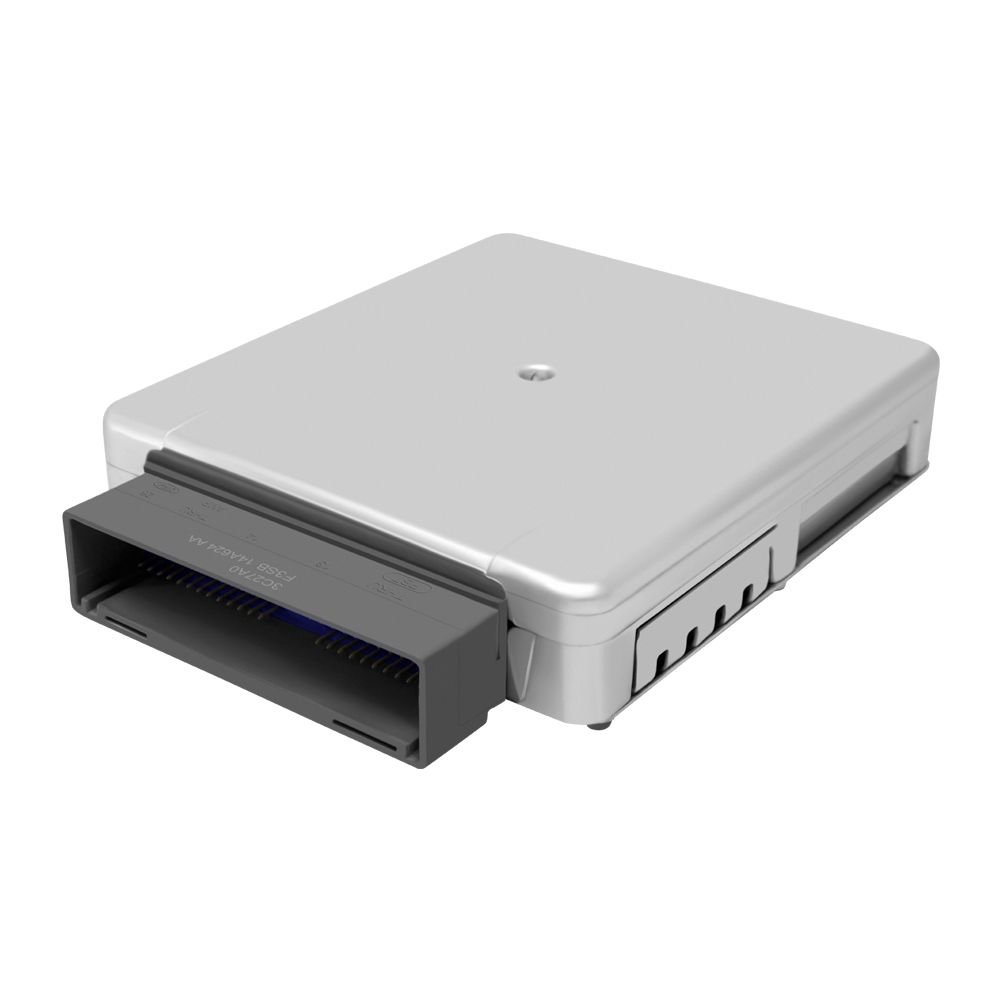
Flagship One stocks a refurbished, VIN-programmed PCM for the 2002 Ford Escape with a lifetime warranty, free shipping and no core charge. The full Ford Escape module lineup covers other engine configurations as well.
If your 2002 Ford Escape is experiencing PCM or ECM related symptoms, a timely replacement can return it to reliable operation. Consider a Flagship One VIN‑programmed unit to simplify the repair and reduce shop time. Contact a qualified technician to assess the situation and choose the best path forward.