
Last updated on August 25th, 2026 at 01:23 pm
The Engine Control Module (ECM) in your 2001 Hyundai Santa Fe manages fuel delivery, ignition timing, and emissions systems. Failure may cause erratic engine behavior, poor performance, or complete stalls, often triggered by voltage spikes or corrosion.
If your 2001 Hyundai Santa Fe is stalling, refusing to start, or throwing engine codes, the Engine Control Module (ECM) may be the culprit. This small but critical computer oversees fuel injection, ignition timing, and emissions systems. When it fails, your vehicle’s performance can suffer dramatically. Replacing it involves more than just swapping parts—proper programming and relearn procedures are essential to restore smooth operation. Understanding the process helps you avoid unnecessary delays and ensures your Santa Fe runs reliably again.
In your 2001 Hyundai Santa Fe, the Engine Control Module (ECM) acts as the brain of the engine, processing data from sensors to optimize fuel delivery, ignition timing, and emissions. Without it, your vehicle may struggle to start, idle roughly, or even stall unexpectedly. Over time, voltage fluctuations, moisture, or corrosion can degrade its performance, leading to erratic behavior. If replacement becomes necessary, you’ll need replacement engine computers for the Santa Fe that match the original specifications to maintain proper engine function.
2001 Hyundai Santa Fe
OEM programmed ECM for your 2001 Hyundai Santa Fe — plug & play, no dealer visit.
Free shipping · Lifetime warranty
The ECM in your 2001 Hyundai Santa Fe is typically located near the engine bay, often mounted on the firewall or inner fender. Replacing it involves disconnecting the battery, removing the electrical connectors, and unbolting the module. Labor time for removal and installation is usually around 1.4 hours. After installation, a relearn procedure may be required, which can add another 0.5 hours. Proper torque on mounting bolts and secure connector seating are critical to avoid future issues.
| Operation | Configuration | Book Time |
|---|---|---|
| Powertrain Control Module R&R | All configurations | 0.3 hr |
| Engine Control Module R&R | All configurations | 1.4 hr |
| Engine Control Module Relearn | All configurations | 0.5 hr |
After installing a new ECM in your 2001 Hyundai Santa Fe, the factory procedure often requires a relearn process to synchronize the module with the vehicle’s systems. This step, which may take up to 0.5 hours, ensures proper communication with sensors and other components. However, when you use a VIN-programmed replacement unit, this step is already completed, saving you time and potential dealer reprogramming fees.
A failing ECM in your 2001 Hyundai Santa Fe may cause a range of symptoms, including intermittent stalling, difficulty starting, or poor engine performance. You might also notice the check engine light illuminating, often accompanied by an internal control module fault. In some cases, the vehicle may enter a limp-home mode, limiting power to prevent further damage. If your scan tool fails to communicate with the ECM, that’s another strong indicator of module failure.
The 2001 Hyundai Santa Fe’s ECM may log specific trouble codes when internal faults occur. These codes help diagnose issues and guide repairs. Below is the documented code for this vehicle’s ECM.
| Code | Meaning | Full Guide |
|---|---|---|
| P0605 | Internal ROM error | Full P0605 guide → |
Hyundai issued a service bulletin (#02-36-036) addressing ECM reprogramming for 2001-2002 Santa Fe 2.4L models experiencing a P0139 code. The bulletin provides instructions for updating the module’s software to resolve fuel system-related issues. If your vehicle exhibits this code, following the factory procedure may restore proper operation without requiring a full ECM replacement.
| Bulletin | Subject | What It Addresses |
|---|---|---|
| 02-36-036 | Fuel System (32) > 02-36-036 2001-2002 Santa Fe 2.4L ECM Reprogramming Instructions For P0139 | — |
Random stalling in your Santa Fe may stem from a failing ECM, particularly if accompanied by trouble codes like P0605. The module’s inability to process sensor data correctly can disrupt fuel delivery or ignition timing, leading to sudden engine shutdowns.
While physically replacing the ECM is straightforward, proper installation requires secure electrical connections and may involve a relearn procedure. If you’re not comfortable with these steps, professional assistance is recommended to avoid further issues.
Symptoms like no-start conditions, stalling, or P0605 codes often point to ECM failure. A scan tool can confirm communication issues with the module, helping diagnose the problem accurately.
If your 2001 Hyundai Santa Fe’s ECM has failed, you have options. A dealer replacement may involve reprogramming and relearn procedures, adding time and cost. Alternatively, a refurbished, VIN-programmed unit can restore functionality quickly without additional programming steps, making it a practical choice for many owners.
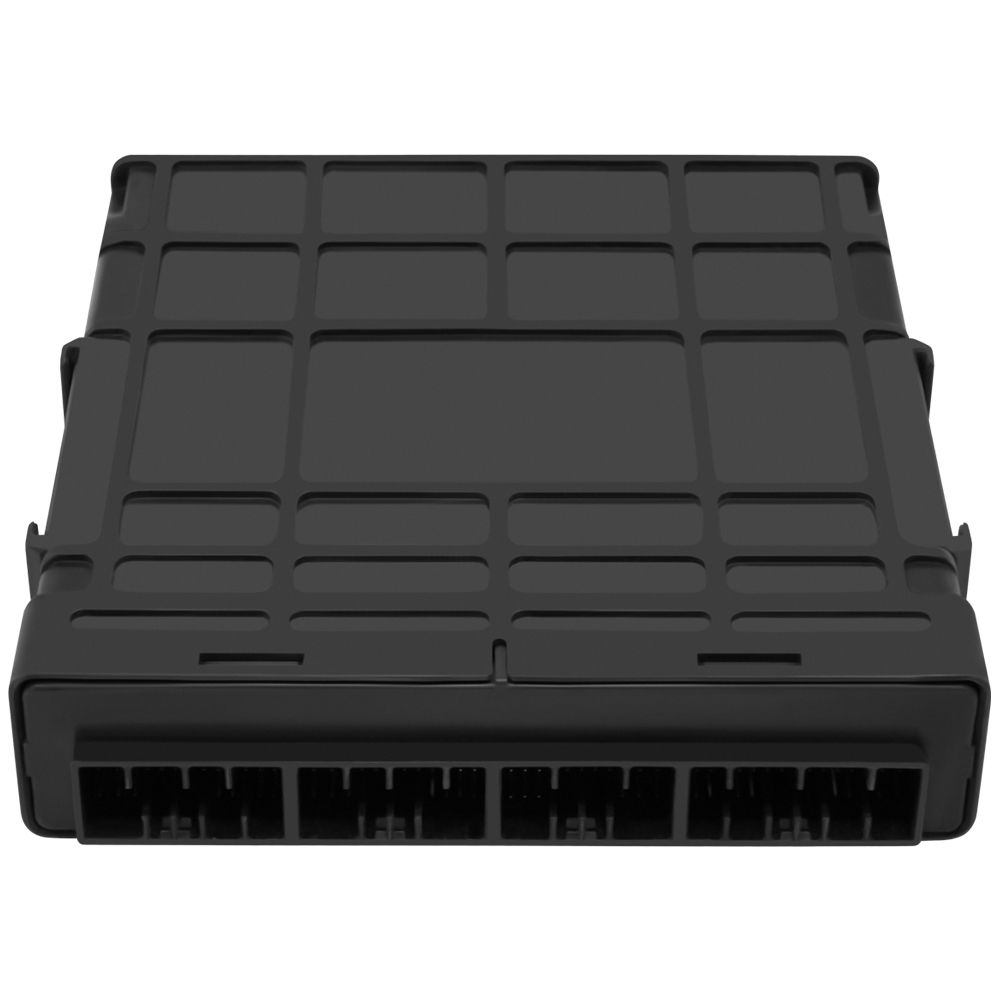
Flagship One stocks a refurbished, VIN-programmed PCM for the 2001 Hyundai Santa Fe with a lifetime warranty, free shipping and no core charge. The full Hyundai Santa Fe module lineup covers other engine configurations as well.
A faulty ECM in your 2001 Hyundai Santa Fe can disrupt daily driving, but replacement doesn’t have to be complicated. With the right unit and proper installation, your vehicle can regain reliable performance. Whether you opt for a dealer visit or a pre-programmed module, addressing the issue promptly ensures your Santa Fe stays on the road.